
Can Teeth Grinding Damage a Dental Crown? How to Protect Your Restoration

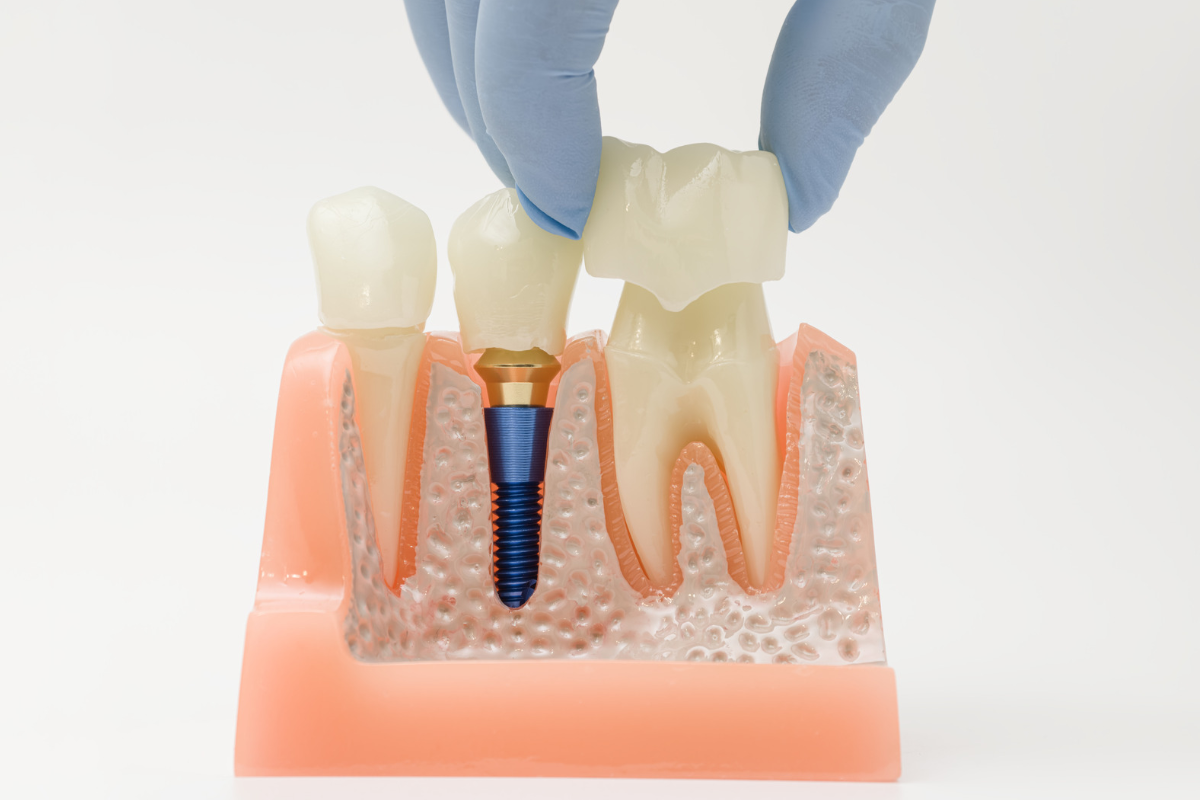
A dental crown can help restore a damaged, weakened, or heavily worn tooth and make it easier to bite and chew comfortably. But what happens when you regularly grind or clench your teeth? Over time, the pressure created by teeth grinding can affect both natural teeth and dental restorations.
Teeth grinding, also called bruxism, can happen during the day or while you sleep. Some people may not even realize they are doing it until they notice jaw soreness, headaches, tooth sensitivity, or changes in their teeth. If you have a crown, repeated grinding may put additional stress on the restoration and the tooth underneath it.
If you are concerned about a damaged crown or want to protect a restoration from excessive wear, a dental evaluation can help identify the problem early. At Advanced Dentistry, we provide restorative and preventive dental care for patients in Cheshire, Connecticut, with treatment designed around the condition of your teeth and overall oral health.
Can Teeth Grinding Damage a Dental Crown?
Yes, persistent teeth grinding can damage a dental crown, particularly when the grinding or clenching creates strong, repeated forces.
A dental crown is designed to protect and restore a tooth, but it is not immune to excessive pressure. Constant grinding may contribute to:
- Wear or flattening of the crown
- Small cracks or fractures
- Chipping of the restoration
- Damage to the tooth beneath the crown
- Increased sensitivity
- Changes in your bite
- Loosening or failure of the restoration in some cases
The level of risk depends on factors such as the type of crown, the tooth’s location, the severity of grinding, and how often the pressure occurs.
This is why addressing bruxism is an important part of protecting your investment in restorative dental treatment.
Why Does Teeth Grinding Put Stress on a Crown?
Normal chewing places pressure on your teeth for relatively short periods. Grinding is different because it can involve repeated clenching, rubbing, or forceful contact between the upper and lower teeth.
During sleep, some people may grind their teeth with considerable force without being aware of it.
When a crowned tooth repeatedly absorbs this pressure, the restoration and the underlying tooth can experience additional stress. Back teeth may be particularly exposed because they handle significant chewing forces.
Nighttime Grinding Can Be Difficult to Notice
One of the challenges with sleep bruxism is that you may not know it is happening.
You may instead notice symptoms such as:
- Waking up with a sore or tired jaw
- Morning headaches
- Tooth sensitivity
- Flattened or worn teeth
- Small chips in your teeth
- Jaw tightness
- Facial muscle soreness
- A crown that feels different when you bite
- Someone sleeping nearby noticing grinding sounds
If these signs sound familiar, talking with a dentist can help determine whether grinding may be affecting your teeth or dental restorations.
Signs Teeth Grinding May Be Affecting Your Dental Crown
Not every change in a crown means that grinding is responsible. However, certain symptoms deserve attention.
1. Your Crown Looks Worn or Flattened
A crown can become visibly worn when it is repeatedly exposed to excessive biting forces. You may notice that the surface looks flatter than it did originally.
2. You Notice a Small Chip
A chipped edge or rough area may indicate that the restoration has experienced excessive stress or another form of damage.
Do not try to smooth or repair the crown yourself. A dentist should examine the restoration and determine whether it can be repaired or needs replacement.
3. Your Tooth Becomes Sensitive
Sensitivity around a crowned tooth can have several causes. Grinding may contribute to wear, stress, or problems affecting the tooth underneath the restoration.
Persistent sensitivity should be evaluated rather than ignored.
4. Your Bite Feels Different
If your crowned tooth suddenly feels too high, uncomfortable, or different when you close your teeth together, schedule a dental examination.
Changes in your bite can sometimes contribute to additional pressure on a restoration.
5. Your Jaw Feels Sore in the Morning
Morning jaw soreness can be a sign of nighttime clenching or grinding. If you have a crown and regularly wake up with jaw discomfort, mention it to your dentist.
Can a Dentist Tell if You Grind Your Teeth?
A dentist can look for several signs that may suggest bruxism.
During an examination, your dental provider may check for:
- Excessive tooth wear
- Flattened biting surfaces
- Cracks or chips
- Tender jaw muscles
- Signs of stress around restorations
- Changes in your bite
- Damage to existing crowns or other dental work
Your dentist may also ask about symptoms you experience when waking up, headaches, jaw discomfort, or whether someone has heard you grinding your teeth at night.
Identifying the cause is important because treating the effects without addressing ongoing grinding may allow the problem to continue.
How Can You Protect a Dental Crown From Teeth Grinding?
If you grind or clench your teeth, there are several ways to help protect your natural teeth and restorations.
Consider a Custom Nightguard
A dentist may recommend a custom-made nightguard if nighttime grinding is affecting your teeth.
A properly fitted appliance creates a protective barrier between the upper and lower teeth. It can help reduce direct tooth-to-tooth contact and may protect crowns and natural teeth from excessive wear.
A nightguard should be selected and fitted based on your individual needs. Store-bought appliances may not provide the same fit or comfort as a professionally designed option.
Address Your Bite
In some cases, your dentist may evaluate how your upper and lower teeth come together.
An uneven bite or areas receiving excessive pressure may contribute to discomfort or stress on a restoration. Your dentist can determine whether any adjustment or additional treatment is appropriate.
Manage Contributing Factors
Stress and anxiety can sometimes contribute to clenching or grinding, especially during the day.
While you may not always be able to prevent stress, you can become more aware of when you are clenching your jaw.
Helpful habits may include:
- Taking regular breaks during stressful activities
- Relaxing your jaw throughout the day
- Avoiding intentionally clenching your teeth
- Practicing stress-management techniques
- Maintaining regular dental appointments
Your dentist can also help determine whether additional care is appropriate for your situation.
What Should You Do if Your Dental Crown Is Damaged?
If you suspect that grinding has damaged your crown, do not ignore the problem.
Contact a dental clinic for an examination, especially if you experience pain, sensitivity, swelling, or difficulty biting.
Until you can see your dentist, you may want to:
- Avoid chewing hard foods on the affected side
- Avoid biting directly on hard objects
- Keep the area clean with gentle brushing and flossing
- Pay attention to changes in your bite or symptoms
- Contact your dental office for an evaluation
If a crown becomes loose or comes off completely, keep it safe and contact your dentist. Do not use household glue or attempt a permanent repair yourself.
Does a Damaged Crown Always Need to Be Replaced?
Not necessarily.
The appropriate treatment depends on the condition of the crown and the tooth underneath it. Your dentist may examine the restoration and surrounding tissues before recommending the next step.
Depending on the situation, treatment may involve:
- Monitoring the crown
- Adjusting the bite
- Repairing a minor problem when appropriate
- Replacing the crown
- Treating the underlying tooth
- Addressing teeth grinding to prevent additional damage
This is one reason professional evaluation matters. Replacing a crown without addressing the source of excessive pressure may leave the new restoration vulnerable to the same problem.
When Should You See a Dentist About Your Crown?
You do not have to wait until a crown breaks before contacting a dental professional.
Schedule an appointment if you notice:
- A crack or chip in the crown
- Persistent sensitivity
- Pain when biting
- A loose crown
- A change in your bite
- Increasing jaw soreness
- Frequent morning headaches
- Signs of significant tooth wear
- A crown that feels different from before
Early attention can help your dentist determine what is happening and recommend appropriate treatment before the problem becomes more complicated.
Protect Your Smile With the Right Dental Care in Cheshire
If you have a crown and are concerned about teeth grinding, a professional dental evaluation is a good place to start.
At Advanced Dentistry, we provide restorative, preventive, and comprehensive dental services for patients in Cheshire, Connecticut. Our dental team can evaluate your crown, look for signs of excessive wear, assess your bite, and discuss options for protecting your teeth and existing restorations.
Whether you need a dental crown evaluation, preventive care, or help addressing symptoms associated with grinding, our local dental practice focuses on personalized treatment based on your oral health needs.
Regular dental visits can also make it easier to identify changes before they develop into more serious problems.
Frequently Asked Questions
Can teeth grinding break a dental crown?
Yes. Persistent or forceful grinding can place significant stress on a crown and may contribute to chipping, cracking, wear, or other restoration problems. Your dentist can evaluate the crown and determine the appropriate treatment.
Should I wear a nightguard if I have a dental crown?
If you grind or clench your teeth, your dentist may recommend a custom nightguard to help protect your teeth and restorations. Whether one is appropriate depends on your individual oral health and grinding pattern.
Why does my crowned tooth hurt when I grind my teeth?
Grinding can place excessive pressure on a crowned tooth and the surrounding structures. However, pain can also have other causes, including problems with the tooth underneath the crown. A dentist should evaluate persistent discomfort.
Can a dentist replace a crown damaged by grinding?
Yes, a dentist can determine whether a damaged crown should be repaired, adjusted, monitored, or replaced. The condition of the crown and underlying tooth will help determine the appropriate approach.
How can I stop damaging my dental crown from grinding?
The best approach depends on why and how you grind your teeth. A dentist can evaluate your bite and signs of bruxism and may recommend a custom nightguard or other measures to reduce excessive pressure.
Conclusion
Teeth grinding can affect much more than your natural teeth. Over time, repeated clenching and grinding may place additional stress on dental crowns and the teeth supporting them. Recognizing early signs such as crown damage, sensitivity, jaw soreness, tooth wear, or changes in your bite can help you seek care sooner.
If you are looking for a dental crown Cheshire provider and are concerned about grinding or damage to an existing restoration, Advanced Dentistry can help. We provide comprehensive dental care designed to protect your smile, restore damaged teeth, and support long-term oral health.
If you have noticed changes in your crown or suspect that you grind your teeth, schedule an appointment with Advanced Dentistry to have your smile evaluated.