(203) 272-7271

Why Are Crowns Often Needed After Root Canal Treatment?

Hearing that you need a root canal can be stressful enough, but many patients are surprised when their dentist also recommends a dental crown afterward. It’s a common question: if the infection has been removed and the tooth has been saved, why is an additional restoration necessary?
The answer lies in what happens to a tooth during and after root canal treatment. While the procedure effectively removes infected tissue and relieves discomfort, it can also leave the tooth more vulnerable to damage. Without proper protection, a treated tooth may become weakened, increasing the risk of cracks, fractures, or even tooth loss in the future.
For many patients considering a dental crown Cheshire treatment plan, understanding the relationship between root canals and crowns can help them make informed decisions about their long-term oral health. At Advanced Dentistry, preserving natural teeth whenever possible is a priority, and dental crowns often play a critical role in achieving that goal.
Understanding What Happens During a Root Canal
A root canal is performed when the soft tissue inside a tooth, known as the pulp, becomes infected or severely inflamed. This can occur due to deep decay, repeated dental procedures, trauma, or untreated cracks.
During treatment, our dentist carefully removes the infected pulp, cleans and disinfects the inner canals, and seals the tooth to prevent future infection.
The procedure successfully eliminates bacteria and preserves the natural tooth structure. However, once the pulp is removed, the tooth no longer has the same internal nourishment and resilience it once had.
As a result, the tooth can become more brittle over time.
Why Root Canal-Treated Teeth Become Weaker
Many patients assume that once a root canal is completed, the tooth returns to normal. In reality, the opposite is often true.
Before root canal treatment, the tooth has usually already suffered significant damage from decay, infection, or trauma. The treatment itself also requires removing infected tissue and, in some cases, additional tooth structure to access the affected area.
This combination can leave the tooth less capable of withstanding everyday chewing forces.
Without reinforcement, a weakened tooth may be more likely to:
- Crack under pressure
- Fracture unexpectedly
- Lose structural stability
- Require extraction later
This is one of the primary reasons a dental crown is often recommended following treatment.
What Does a Dental Crown Do?
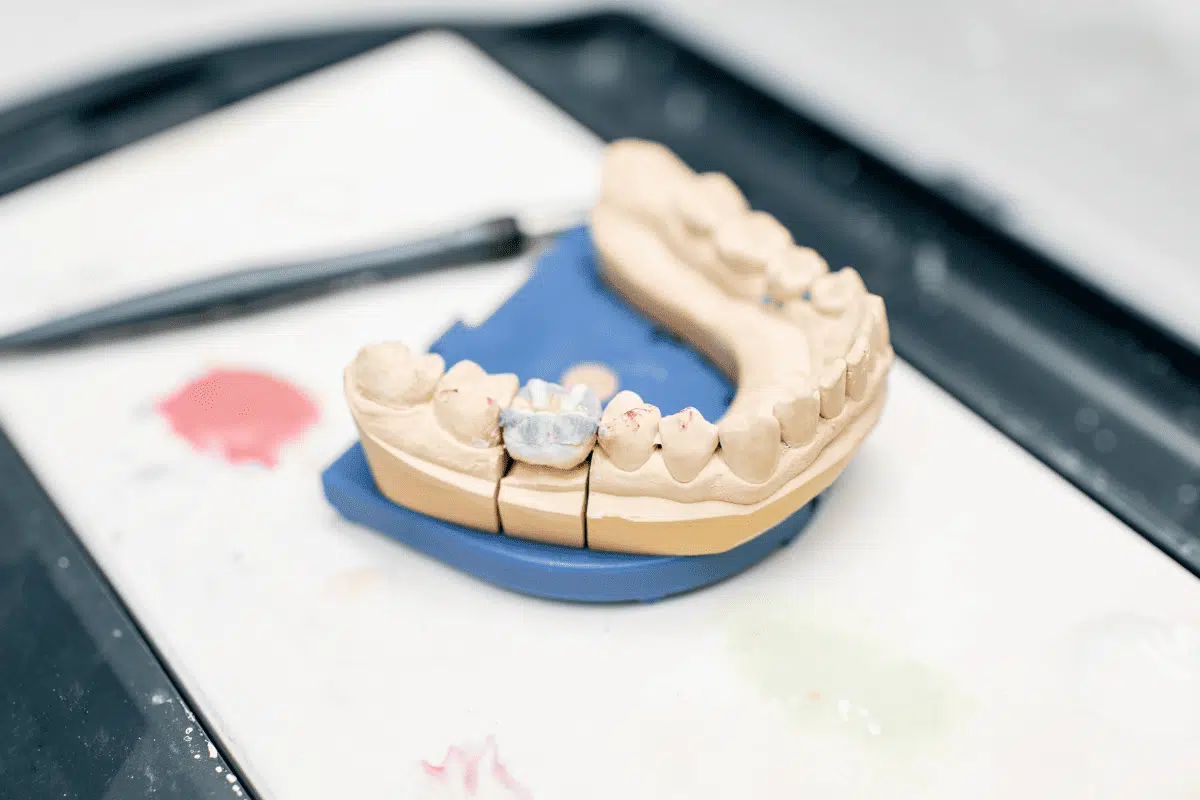
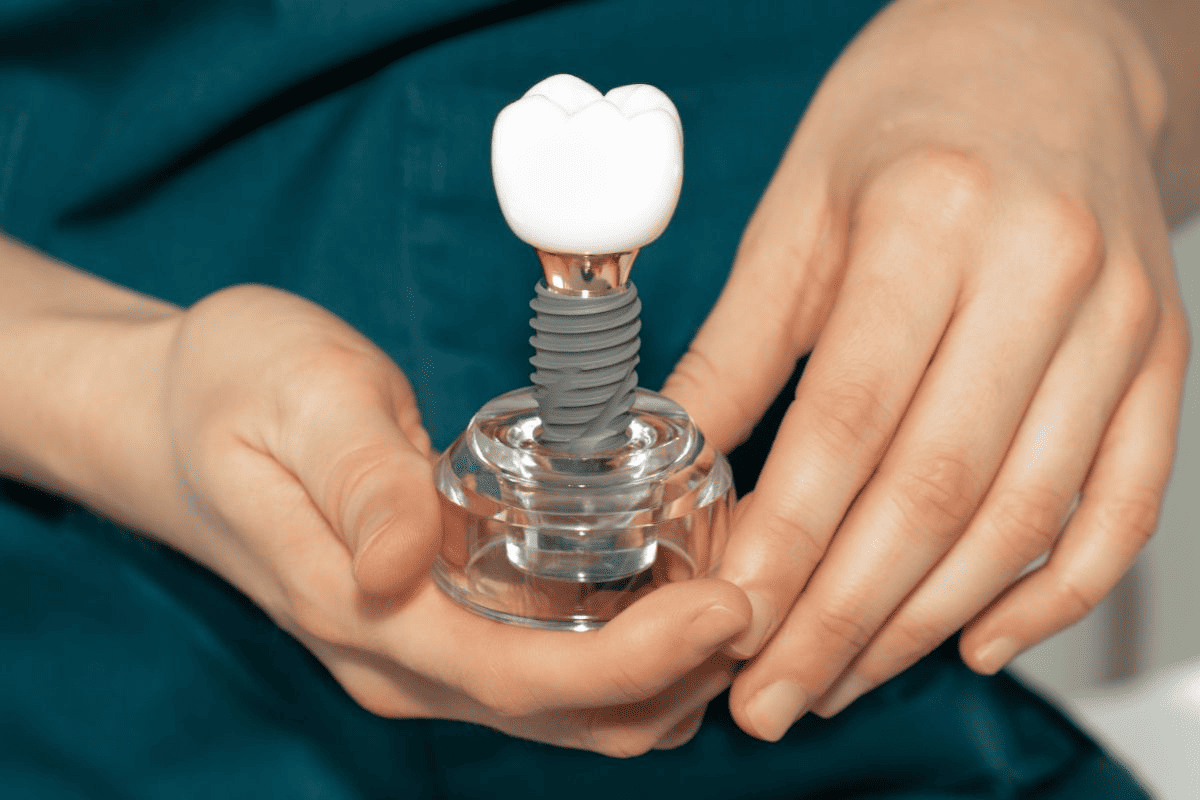
A dental crown acts like a protective cap that completely covers the visible portion of a damaged tooth.
Unlike a filling, which repairs a specific area, a crown surrounds the entire tooth structure, helping restore strength, function, and appearance.
Once placed, a crown helps:
- Protect the tooth from fractures
- Restore normal chewing function
- Improve appearance
- Extend the life of the treated tooth
- Reduce the risk of future complications
For many patients, a crown serves as the final step in fully restoring a tooth after root canal therapy.
Which Teeth Are Most Likely to Need Crowns?
Not every root canal-treated tooth requires a crown. However, certain teeth are much more likely to benefit from one.
Molars and Premolars
The back teeth handle most of the chewing force generated during eating.
Every day, molars absorb significant pressure when grinding food. If these teeth have undergone root canal treatment, they often need additional reinforcement to prevent fractures.
This is why crowns are commonly recommended for:
- First molars
- Second molars
- Premolars
Protecting these teeth helps preserve their ability to function properly for years to come.
Front Teeth
Front teeth generally experience less biting force than molars.
In some cases, a root canal-treated front tooth may not immediately require a crown if enough healthy tooth structure remains. However, every case is unique, and your oral care provider will evaluate the condition of the tooth before making recommendations.
The Risk of Delaying Crown Placement
Some patients postpone crown treatment after a root canal because the tooth no longer hurts. While this may seem reasonable, delaying restoration can increase the likelihood of future problems.
Once the infection is removed, symptoms often disappear. However, the structural weakness remains.
Without a crown, a treated tooth may:
- Crack unexpectedly
- Break during normal chewing
- Require more extensive restorative treatment
- Become impossible to save
In some situations, delaying a crown can ultimately lead to tooth extraction.
How Dental Crowns Improve Long-Term Success
The success of root canal treatment is not measured solely by removing infection. Long-term success depends on protecting the tooth afterward.
A properly designed crown helps distribute chewing forces more evenly across the tooth. This reduces stress on weakened areas and minimizes the chance of structural failure.
Research and clinical experience consistently show that root canal-treated teeth restored with crowns often have better long-term outcomes than those left unprotected.
For patients seeking comprehensive restorative care, a dental crown is frequently considered an investment in preserving natural teeth for the future.
Modern Dental Crowns Look Natural
One concern many patients have is whether a crown will look artificial.
Fortunately, modern dental crowns are designed to blend naturally with surrounding teeth. Advances in dental materials allow crowns to closely replicate the appearance of natural enamel while maintaining exceptional durability.
Depending on your needs, our dentist may recommend:
Porcelain Crowns
Porcelain crowns are highly aesthetic and often used for visible teeth because they closely mimic natural tooth color and translucency.
Ceramic Crowns
Ceramic restorations offer both strength and aesthetics, making them a popular choice for many patients.
Porcelain-Fused-to-Metal Crowns
These crowns combine durability with a natural appearance and may be suitable in specific situations.
Our local dental practice can help determine which material best supports your smile goals and functional needs.
What to Expect During Crown Placement
Receiving a crown is typically a straightforward process.
The procedure generally includes:
- Preparing the tooth for restoration.
- Taking impressions or digital scans.
- Fabricating a custom crown.
- Placing and securing the final restoration.
Throughout the process, our dental clinic focuses on ensuring the crown fits comfortably and functions naturally.
Once complete, most patients quickly adapt to their restored tooth and resume normal daily activities.
Caring for a Crown After Root Canal Treatment
A crown protects the tooth, but proper oral hygiene remains essential.
To maximize the lifespan of your restoration:
- Brush twice daily.
- Floss carefully around the crown.
- Attend routine dental checkups.
- Avoid using teeth as tools.
- Address teeth grinding if recommended by our dentist.
With proper care, many crowns provide years of reliable function and protection.
Why Choosing an Experienced Dentist Matters
The long-term success of both root canal treatment and crown placement depends on careful planning and precise execution.
An experienced dentist can evaluate the condition of the tooth, recommend the most appropriate restoration, and ensure the final crown supports both function and aesthetics.
At Advanced Dentistry, patients benefit from comprehensive evaluations and personalized treatment plans designed to protect natural teeth whenever possible.
Whether you’re dealing with extensive decay, a cracked tooth, or recovering from root canal therapy, working with a trusted dental team can help ensure the best possible outcome.
Frequently Asked Questions
Do all root canal-treated teeth need crowns?
Not always. Front teeth with sufficient remaining structure may not require crowns immediately. However, molars and premolars often benefit significantly from crown protection.
How soon should I get a crown after a root canal?
In many cases, dentists recommend placing a crown as soon as practical after treatment to reduce the risk of fractures and complications.
Can a root canal-treated tooth break without a crown?
Yes. Root canal-treated teeth can become more brittle and are often more susceptible to cracking if left unprotected.
How long does a dental crown last?
With proper care and regular dental visits, many crowns can last well over a decade and sometimes significantly longer.
Will a crown look different from my natural teeth?
Modern crowns are designed to closely match surrounding teeth in shape, color, and appearance, making them difficult to distinguish from natural teeth.
Protecting Your Tooth After Root Canal Treatment
A root canal can eliminate infection and save a damaged tooth, but restoring its strength is equally important. Because treated teeth often become more vulnerable to fractures, dental crowns are frequently recommended as a protective solution that supports long-term function and durability.
If you’ve recently undergone root canal therapy or have been advised to consider a dental crown Cheshire patients trust, the team at Advanced Dentistry can help you understand your options and create a personalized treatment plan. Protecting your tooth today may help preserve your smile for many years to come. Book your appointment today!