(203) 272-7271
Does It Hurt to Get a Dental Crown? What to Expect


A dental crown is a common solution for restoring damaged or weakened teeth. If your dentist has recommended a crown, you might be wondering, “Does it hurt to get a dental crown?” Many people worry about pain when it comes to dental procedures, but understanding the process can help ease those concerns. In this blog, we will walk you through what to expect when getting a dental crown, from preparation to recovery.
Understanding the Purpose of a Dental Crown
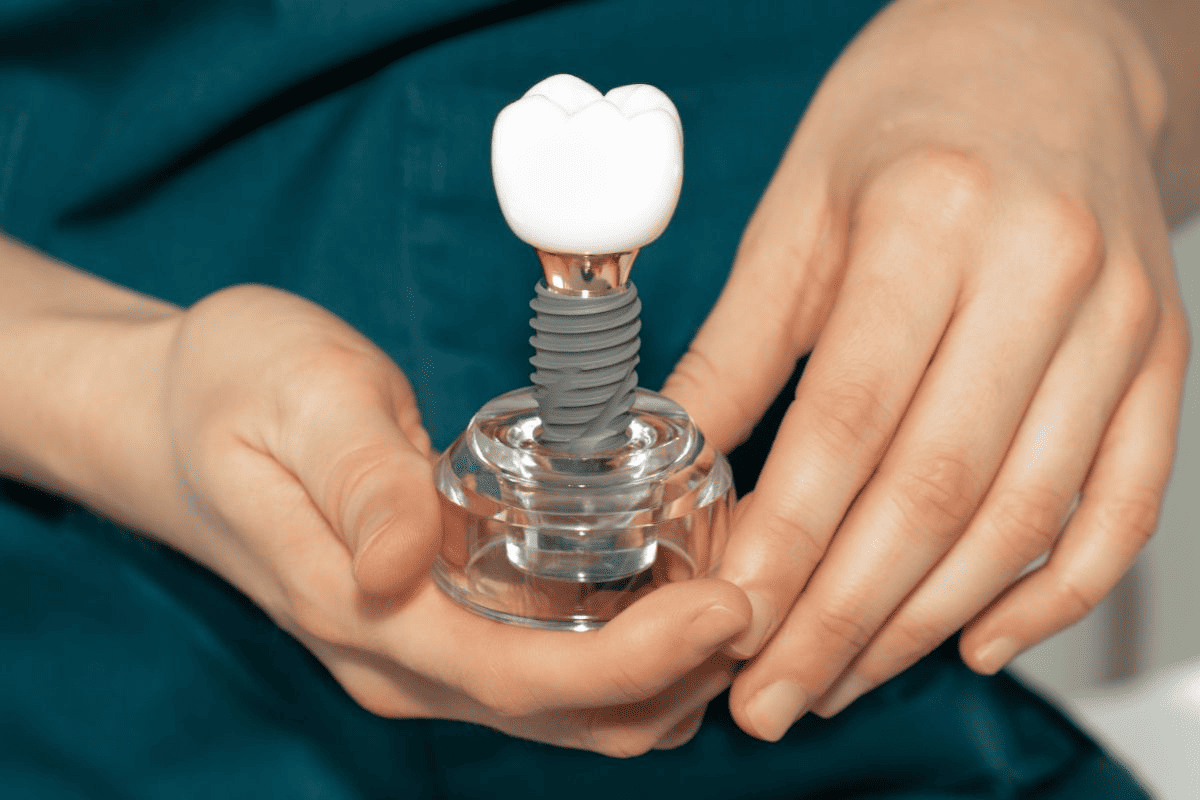
A dental crown is a cap placed over a tooth to restore its shape, strength, and appearance. It is often recommended when a tooth is severely decayed, broken, or weakened due to a large filling or root canal treatment. Crowns can be made from different materials, including porcelain, metal, and ceramic, each offering durability and a natural look.
The Process of Getting a Dental Crown
Getting a dental crown typically involves two visits to the dentist. Each step is performed carefully to ensure the best fit and comfort. Here’s a breakdown of what happens:
Step 1: Preparing the Tooth
The first appointment focuses on preparing your tooth for the crown. Your dentist will:
- Examine and clean the tooth – Any decay or old filling material is removed.
- Shape the tooth – A small portion of the tooth is shaved down to make space for the crown.
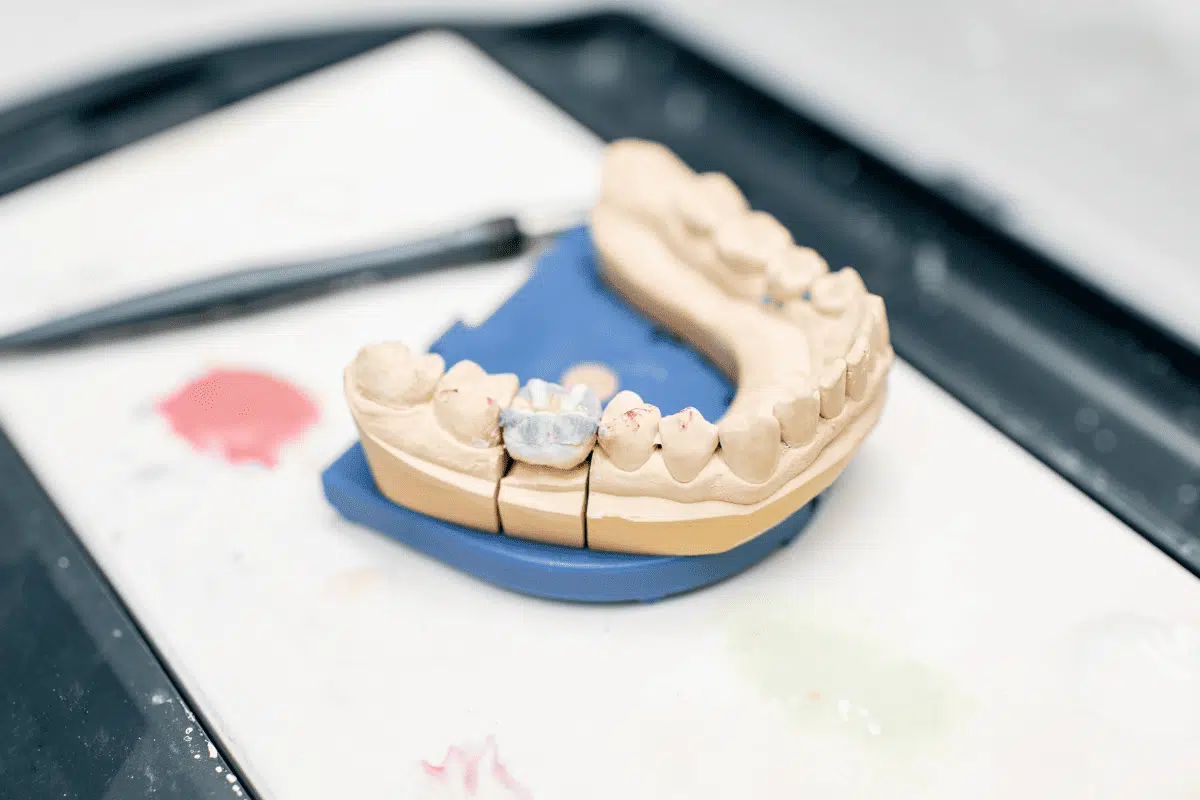
- Take an impression – A mold of your tooth is taken to create a custom-fitted crown.
- Place a temporary crown – A temporary cap is placed to protect the tooth while the permanent crown is being made.
Step 2: Placing the Permanent Crown
Once the crown is ready, you’ll return to the dentist’s office for the final placement. During this appointment:
- The temporary crown is removed.
- The new crown is checked for fit, color, and bite alignment.
- The permanent crown is cemented securely in place.
Does Getting a Dental Crown Hurt?
Most patients experience minimal discomfort during the procedure. Here’s what you can expect:
During the Procedure
- Local Anesthesia: Before shaping the tooth, your dentist will numb the area with a local anesthetic. This means you won’t feel pain during the procedure.
- Mild Pressure: While the tooth is being prepared, you may feel some pressure or vibrations, but no sharp pain.
- Temporary Sensitivity: After the first visit, the trimmed tooth may feel sensitive, especially to hot or cold foods. This is normal and temporary.
After the Procedure
Once the anesthesia wears off, you may feel some mild discomfort around the treated tooth. Here’s what to expect:
- Soreness in the gums: Your gums may be slightly irritated where the crown was placed. This usually subsides within a few days.
- Bite Adjustment: If your bite feels off, your dentist may need to make minor adjustments to the crown.
- Temporary Sensitivity: Some patients experience short-term sensitivity to pressure or temperature changes, which should improve over time.
How to Manage Any Discomfort
While getting a dental crown in Cheshire is not a painful experience, minor discomfort can be managed with simple care steps:
- Take over-the-counter pain relievers like ibuprofen if needed.
- Avoid chewing hard foods on the treated tooth until you adjust to the crown.
- Maintain good oral hygiene by brushing and flossing around the crown.
- Use a toothpaste designed for sensitive teeth if you experience any discomfort.
How Long Does It Take to Adjust to a Dental Crown?
It may take a few days to a week to get used to the feel of a new crown. If discomfort lasts longer or you experience persistent pain, contact your dentist for further evaluation. A well-fitted crown should feel natural and comfortable after the initial adjustment period.
Benefits of Getting a Dental Crown
Despite initial concerns about discomfort, dental crowns provide several long-term benefits:
- Restores tooth strength: Protects weak or damaged teeth from further deterioration.
- Enhances appearance: Matches the shape and color of natural teeth for a seamless look.
- Improves function: Allows you to chew and speak normally.
- Prevents further decay: Acts as a protective shield against cavities and infections.
When to See Your Dentist After Getting a Crown
Regular dental checkups are important to ensure your crown stays in good condition. You should see your dentist if:
- You experience prolonged pain or sensitivity.
- Your bite feels uneven or uncomfortable.
- The crown becomes loose or falls off.
Frequently Asked Questions
How long does a dental crown procedure take?
The process typically involves preparing the tooth, taking impressions, and placing the final crown. The exact timeline depends on your individual treatment needs.
Will my tooth be sensitive after getting a dental crown?
Some mild sensitivity is normal after the procedure, especially when consuming hot or cold foods and beverages. This usually improves within a short period.
Can I eat normally after getting a dental crown?
Once your crown is securely in place, you can generally return to your normal diet. However, it is best to follow any post-treatment instructions provided by your dentist.
What should I do if my dental crown feels uncomfortable?
If your crown feels too high, causes discomfort when biting, or does not feel natural, contact your dentist. A minor adjustment may be needed to improve comfort and function.
How long do dental crowns last?
With good oral hygiene habits and regular dental checkups, dental crowns can provide long-lasting protection and support for damaged teeth.
Final Thoughts
Getting a dental crown is a routine and painless procedure for most patients. While some mild discomfort is possible, it is usually temporary and manageable. If you have concerns about pain or the procedure itself, speak with your dentist for reassurance. A properly placed crown not only restores your smile but also protects your oral health in the long run.
If you’re considering a dental crown in Cheshire, consult with a qualified dentist to learn more about your options and what to expect during the process. Proper care and regular checkups will help ensure your crown lasts for years to come.