
When Do You Need a Dental Crown? Signs, Alternatives, and When to Replace One

A tooth that has been filled, patched, or tolerated for years can reach a point where another filling just isn’t enough. Maybe your dentist mentioned a crown at your last checkup. Maybe you’ve had one for a decade, and something feels different when you bite down. Either way, the questions tend to be the same. Do I really need this? What happens if I wait? And how do I know when an existing crown has run its course?
The honest answer depends on the tooth. Crowns are among the most common dental restorations, but they aren’t the right fix for every problem, and they don’t last forever. Here’s how to tell when a crown makes sense, when an older one needs attention, and what to expect if you’re looking for a dentist in Cheshire, CT, to guide you through it.
What a Dental Crown Actually Does
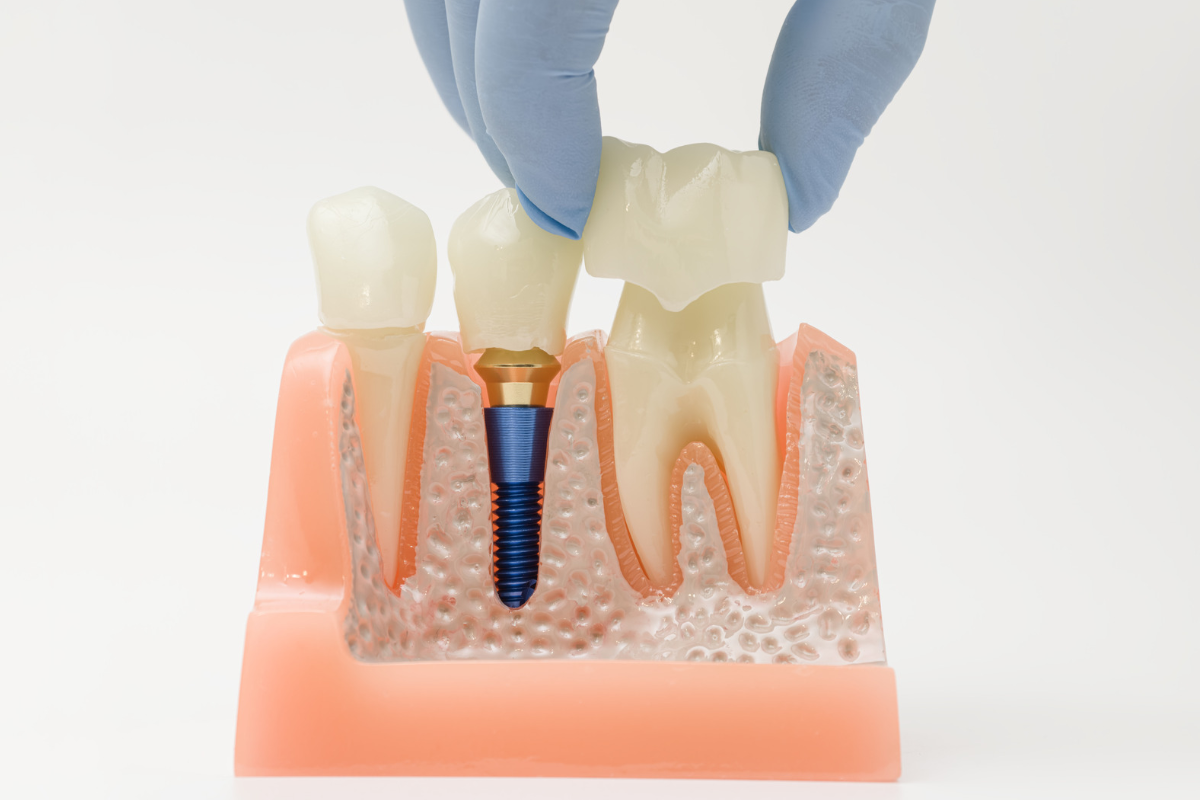
A dental crown is a custom-made cap that fits over a tooth, restoring its shape, strength, and appearance. Unlike a filling, which repairs part of a tooth, a crown surrounds the entire visible portion above the gum line.
That full coverage is the point. When a tooth has lost too much structure to hold up under daily chewing, a crown holds it together and spreads biting forces across the whole tooth instead of letting them concentrate on a weak spot.
Crowns can be made from several materials, including porcelain, zirconia, and metal alloys. The right choice depends on where the tooth sits, how much force it takes, and what you want it to look like. Your dentist can walk you through the options for your situation.
When Do You Need a Dental Crown?
Not every damaged tooth needs one. A crown is typically recommended when the tooth can’t be reliably protected or rebuilt with something smaller. Common situations include:
A Cracked or Broken Tooth
A crack can cause sharp pain when you bite, sensitivity to temperature, or discomfort that comes and goes. A crown can hold a cracked tooth together and protect it from further damage, provided the tooth is still restorable. If the crack reaches the nerve, a root canal may be needed first.
A Large Filling That’s Failing
Over the years, a big filling can leave very little natural tooth around it. If the walls of the tooth are thin or breaking down, replacing the filling with another filling may only delay the problem. A crown gives the remaining tooth structure far better support.
Significant Decay
When decay has removed a large part of the tooth, there may not be enough healthy structure left for a filling to hold. After the decay is cleaned out, a crown can restore the tooth.
After a Root Canal
A tooth that’s had root canal treatment can become more fragile over time. A crown is frequently recommended afterward to protect it, especially on back teeth that handle heavy chewing.
A Worn or Misshapen Tooth
Years of grinding or acid erosion can wear teeth down. If your bite is affected or the tooth is sensitive, a crown can rebuild its shape and function.
Completing an Implant or Bridge
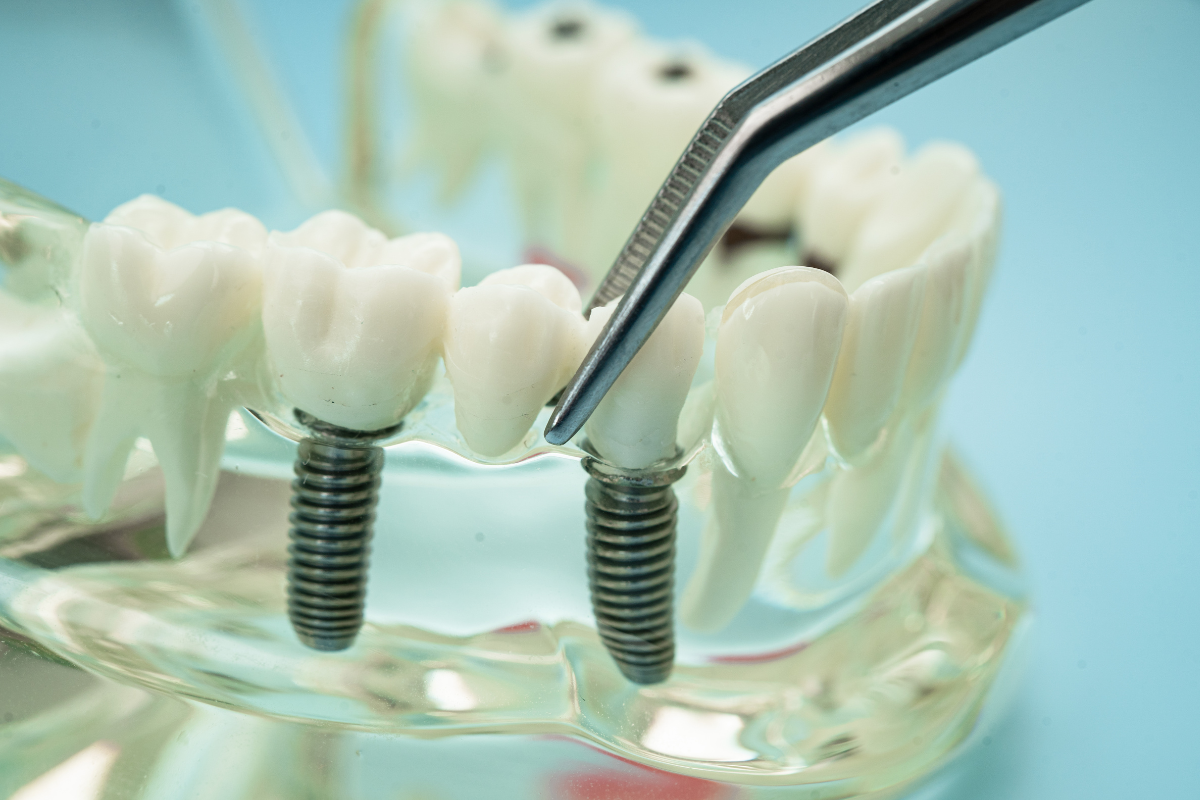
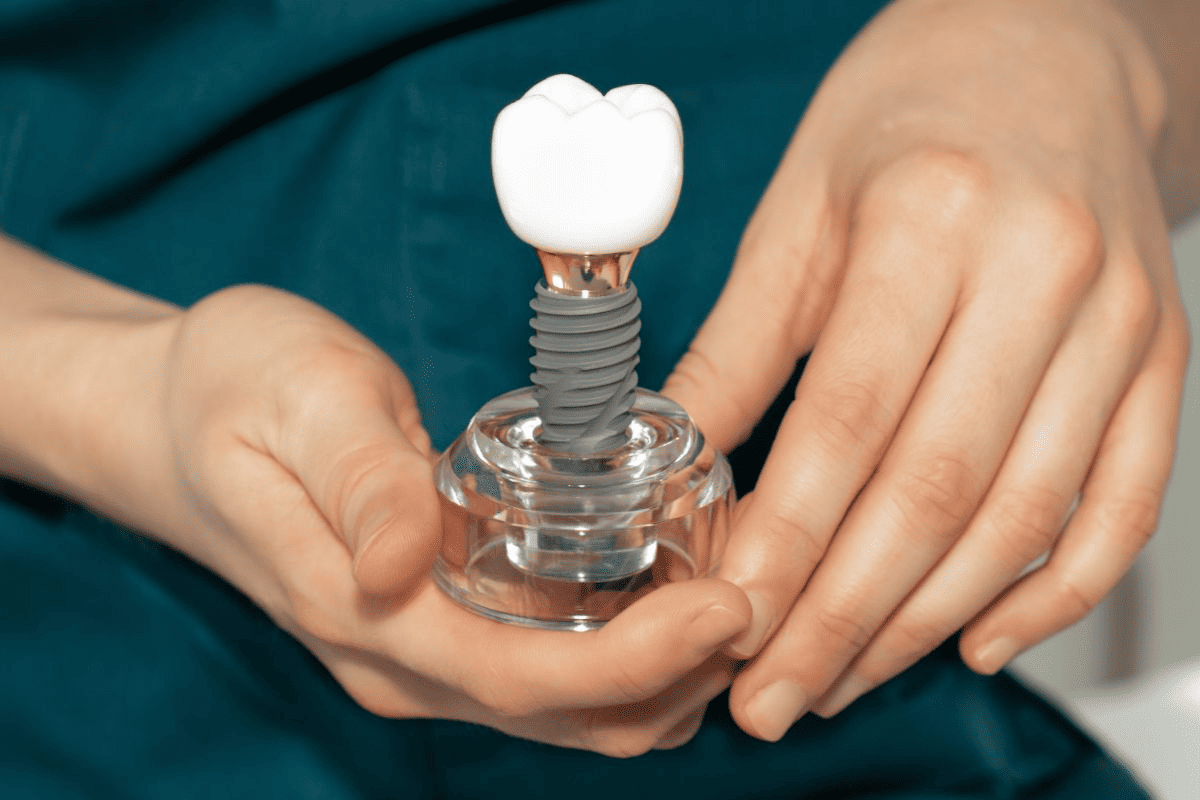
Crowns also serve as the visible tooth on a dental implant, and they anchor dental bridges on either side of a gap.
Crown, Filling, or Onlay? How the Decision Gets Made
This is where many patients feel unsure, and it’s worth understanding because a crown isn’t always the first or best answer.
- Bonding or a filling: Best for small to moderate decay or minor chips where most of the tooth is intact.
- Inlay or onlay: A middle option. It repairs a larger area of the chewing surface while keeping more natural tooth than a crown would.
- Crown: Best when significant structure is missing, cracked, or at risk of breaking.
- Root canal plus crown: Used when the nerve is damaged, and the tooth still needs full protection afterward.
In general, we prefer the most conservative option that will do the job well. If an onlay or filling can protect the tooth, there’s no reason to remove more of it than necessary. If a crown is the sounder choice, we’ll show you why.
How We Evaluate a Tooth at Advanced Dentistry
A recommendation should never rest on a guess. When you come in with a damaged tooth, our team looks at the whole picture, which may include:
- A review of your symptoms, such as pain when biting or lingering sensitivity
- A clinical exam of the tooth and the surrounding gums
- Digital X-rays to look beneath the surface
- Intraoral camera images, so you can see what we see on screen
- A digital scan with our iTero scanner when a restoration is needed, which avoids messy impression material
Seeing the problem yourself makes the conversation easier. You can ask questions, compare options, and decide with real information.
Signs Your Existing Crown May Need to Be Replaced
Crowns are durable, but they wear down. Many dentists cite a typical lifespan of roughly 10 to 15 years, though it varies widely based on the material, your habits, and your oral hygiene. Watch for these warning signs.
Pain or Sensitivity
New soreness when you bite, or sensitivity to hot and cold around a crown you’ve never had trouble with, is worth checking. It can point to decay or a problem with the underlying tooth.
A Loose or Missing Crown
If a crown wiggles, feels different, or comes off entirely, the cement seal has likely failed. The tooth underneath is now exposed and vulnerable.
Cracks, Chips, or Visible Wear
Porcelain can chip, and any crown can wear thin over time, especially if you grind your teeth or chew ice. Even a small chip can leave a rough edge that irritates your tongue or traps plaque.
Decay Around the Edge
This is one that many online guides skip. The tooth underneath a crown can still develop cavities, usually along the edge where the crown meets the tooth. You can’t always see it, which is why X-rays at regular checkups matter. If decay is found, the crown typically has to come off so the tooth can be treated.
Gum Recession or a Dark Line at the Gumline
As gums recede, the edge of a crown or the tooth beneath it can become visible. This can be cosmetic, but it can also leave more of the tooth exposed to decay.
Bad Taste, Odor, or Swelling
A persistent bad taste, bad breath near one tooth, or swollen gums around a crown can signal infection and shouldn’t be ignored.
Changes in Your Bite or Appearance
If a crown feels too high, or it no longer matches your smile after years of natural changes in surrounding teeth, replacement may be worth discussing.
None of these signs automatically means you need a new crown the same day. But each one deserves a professional look.
Can a Crown Be Repaired Instead of Replaced?
Sometimes. A small chip in a porcelain crown can occasionally be smoothed or repaired. But if the crown is cracked through, loose, or decay has developed underneath, replacement is usually the more dependable choice. We’ll tell you plainly which situation you’re in, rather than patching something that’s likely to fail again.
What to Do If Your Crown Falls Out
It happens more often than people think, and it isn’t always an emergency. Here’s what helps:
- Keep the crown. Store it somewhere safe. Your dentist may be able to reuse it.
- Call your dentist promptly. The exposed tooth is sensitive and can be damaged or decay faster.
- Avoid chewing on that side, and keep the area clean with gentle brushing.
- Skip household glue. If you must reseat it temporarily, use dental cement from a pharmacy, and don’t force it.
- Seek urgent care for severe pain, facial swelling, or fever.
What Happens During a Crown Replacement
While every case differs, replacement generally follows a few steps:
- The old crown is carefully removed, and the tooth underneath is examined.
- Any decay or damage is treated. Occasionally, the tooth needs a build-up for support, or further treatment such as a root canal.
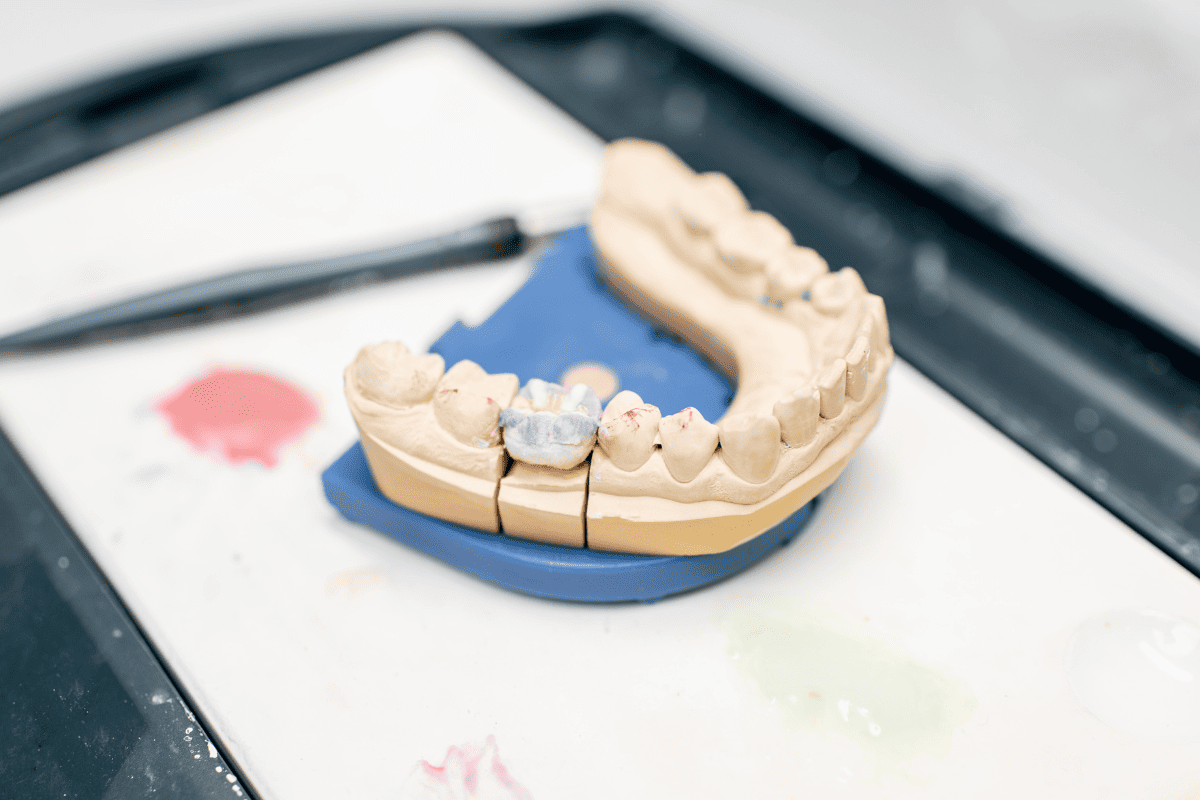
- The tooth is scanned or measured for the new crown.
- A temporary crown protects the tooth while the permanent one is made.
- At a follow-up visit, the new crown is fitted, checked for bite and comfort, and cemented.
We’ll explain the plan for your tooth before we begin, so there are no surprises.
Crown Costs and Insurance
Cost depends on the tooth, the material, and whether additional treatment is needed. Because those factors vary so much, we provide a clear estimate after your exam rather than a one-size-fits-all number.
On insurance, many dental plans limit how often they’ll cover a replacement on the same tooth, often after a set number of years. The exact rule depends on your plan. We accept most major dental insurance plans, can help you understand your benefits, and offer financing and payment options for larger treatments.
How to Help Your Crown Last Longer
- Brush twice a day and floss daily, including around the crown’s edge.
- Don’t chew ice, hard candy, or use your teeth to open packages.
- Ask us about a night guard if you grind your teeth.
- Keep up with regular checkups and X-rays, which is how problems under a crown get caught early.
Dental Crowns in Cheshire, CT at Advanced Dentistry
At Advanced Dentistry, we provide dental crowns along with the related services that often go with them, including inlays and onlays, root canal therapy, and dental implants. Because everything is handled in one office, you won’t be passed between practices to sort out a single tooth.
Dr. Amit Desai has been treating patients in Cheshire since 2004, and our team focuses on explaining your options clearly and respecting your time. We’re located at 435 Highland Ave #210, with weekday hours that include evenings until 7 p.m. on Tuesdays and Thursdays.
Frequently Asked Questions
How do I know if I need a crown or just a filling?
It depends on how much healthy tooth remains. Small cavities are usually handled with a filling. If a large portion of the tooth is missing, cracked, or weakened, a crown offers better protection. An exam and X-rays are the only reliable way to tell.
How long does a dental crown last?
Many crowns last 10 to 15 years or longer, but there’s no guarantee. Material, grinding habits, oral hygiene, and the health of the tooth underneath all play a role.
Does insurance cover crown replacement?
Often partially, but many plans limit replacements on the same tooth to a set time frame. Our team can review your plan and explain your coverage before treatment.
Is a crown that fell out a dental emergency?
Not always, but it should be addressed quickly to protect the exposed tooth. Severe pain, swelling, or fever calls for immediate care.
Can a tooth decay under a crown?
Yes. The crown itself can’t decay, but the natural tooth beneath it can, especially at the edge. That’s why regular checkups and X-rays still matter after a crown is placed.
Protect Your Tooth Before a Small Problem Gets Bigger
Whether you’re facing your first crown or wondering about an older one, early attention usually means simpler treatment and a better chance of saving the tooth. If you’re noticing pain, a loose crown, or something that just doesn’t feel right, we’re here to help.
Call Advanced Dentistry at (203) 272-7271 or book your appointment online. New patients and urgent concerns are welcome.