(203) 272-7271
Can a Dental Crown Prevent Tooth Extraction?

Being told that a tooth may need to be removed can feel overwhelming. For many patients, the thought of losing a natural tooth raises questions about their oral health, treatment options, and what comes next. The good news is that tooth extraction isn’t always the only solution.
At Advanced Dentistry, our priority is to preserve your natural teeth whenever possible. Thanks to modern restorative dentistry, many damaged or weakened teeth can be saved before extraction becomes necessary. One of the most effective ways we do this is with a custom dental crown.
Whether your tooth has been affected by decay, a crack, an injury, or years of wear, restoring it early can often make the difference between saving and losing it. If you’re exploring dental crown Cheshire treatment, understanding how dental crowns work and when they’re recommended can help you make informed decisions about your oral health.
What Is a Dental Crown?
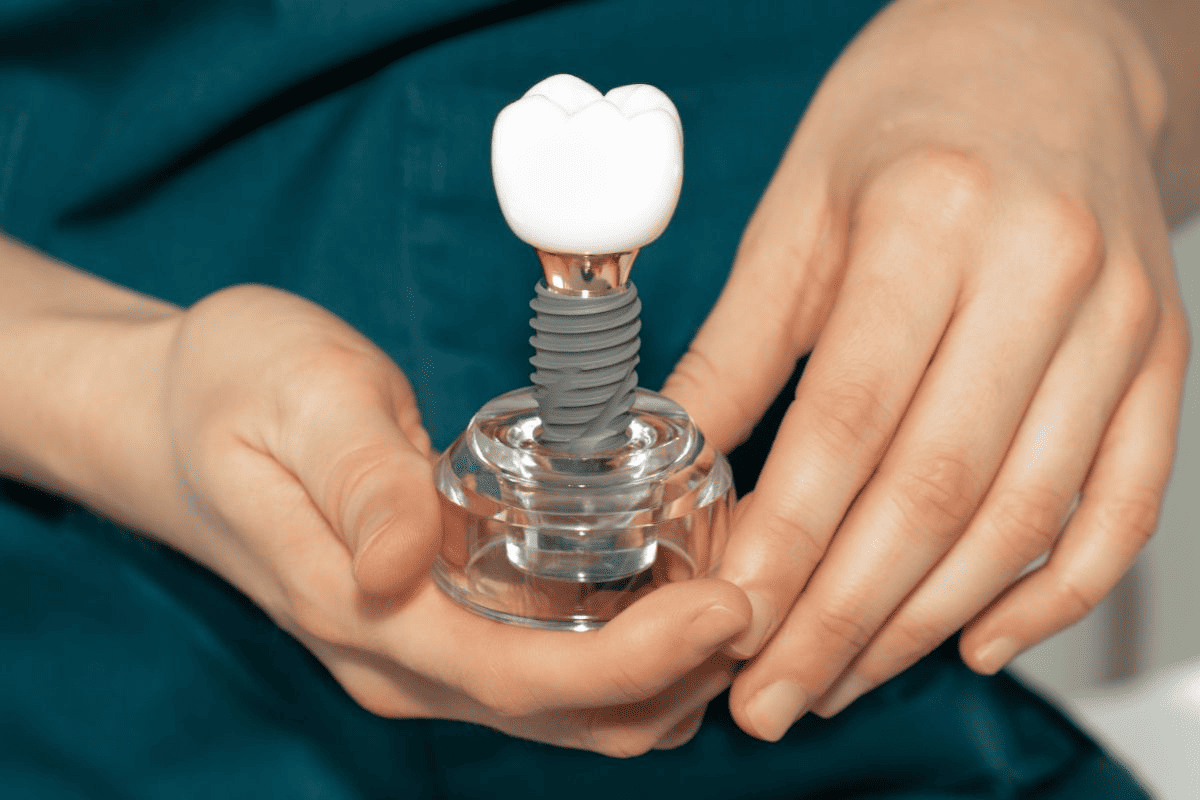
A dental crown is a custom-made restoration that completely covers the visible portion of a damaged tooth above the gumline. Think of it as a protective cap that restores the tooth’s strength while allowing it to function normally again.
We often recommend dental crowns when a tooth is too damaged for a filling but still healthy enough to be preserved.
A dental crown is designed to restore your tooth’s:
- Strength
- Shape
- Size
- Function
- Natural appearance
Once bonded into place, the crown helps protect the remaining tooth structure from additional damage while allowing you to chew, speak, and smile comfortably.
Modern crowns are made from durable, high-quality materials such as:
- Porcelain
- Ceramic
- Zirconia
- Porcelain-fused-to-metal
- Metal alloys in select situations
Our goal is always to recommend a material that offers the right balance of durability, appearance, and long-term performance for your individual needs.
Why We Always Try to Save Natural Teeth
Whenever possible, preserving your natural tooth is the best option.
Natural teeth help maintain proper bite alignment, support your jawbone, and allow you to chew comfortably. They also help keep neighboring teeth in their correct position.
Although tooth extraction is sometimes necessary, we consider it a last resort after exploring every appropriate restorative option.
Without treatment, severe dental problems may eventually make extraction unavoidable, especially when a tooth has:
- Extensive decay
- Large fractures
- Severe structural damage
- Advanced infection
- Damage extending below the gumline
Fortunately, many teeth that appear badly damaged can often be restored with a dental crown before they reach that point.
How a Dental Crown Can Help Prevent Tooth Extraction
One of the biggest advantages of a dental crown is its ability to strengthen a weakened tooth before further damage occurs.
By protecting the remaining healthy tooth structure, a crown often allows us to preserve teeth that might otherwise continue to deteriorate.
Here are several ways crowns help save natural teeth.
We Reinforce Weak Teeth
Large fillings, repeated dental work, decay, or small fractures can leave a tooth vulnerable to breaking.
A dental crown surrounds the remaining tooth, helping distribute the pressure created during everyday chewing and biting.
This added protection allows many weakened teeth to continue functioning for years without requiring extraction.
We Protect Teeth After Root Canal Therapy
Following root canal treatment, a tooth no longer contains living pulp tissue. While the infection has been removed, the remaining tooth may become more susceptible to fractures over time.
That’s why we often recommend placing a dental crown after root canal therapy, particularly on back teeth that absorb significant chewing forces.
The crown helps strengthen the tooth while reducing the risk of future damage.
We Help Prevent Cracks from Becoming Worse
Not every cracked tooth needs to be removed.
When identified early, many cracks can be stabilized with a dental crown before they spread deeper into the root.
Without protection, everyday chewing pressure can gradually enlarge the crack until the tooth becomes impossible to restore.
Treating these issues early often gives us the best opportunity to save your natural tooth.
We Restore Teeth Worn Down Over Time
Teeth don’t always become damaged from accidents.
Years of grinding, clenching, acid erosion, or normal wear can gradually weaken tooth structure.
If enough healthy tooth remains, a dental crown can rebuild the tooth, restore normal function, and help prevent additional wear.
Conditions We Commonly Treat with Dental Crowns
Dental crowns are one of the most versatile restorative treatments we provide because they can address a wide variety of dental concerns.
We may recommend a crown for:
Large Cavities
When decay removes too much healthy tooth structure, a traditional filling may no longer provide enough support.
A dental crown completely covers the tooth, helping restore both strength and durability.
Broken Teeth
Accidents happen.
Whether your tooth has fractured during sports, a fall, or while biting into something hard, a crown may help restore its strength and appearance if enough healthy tooth remains.
Cracked Teeth
Even a small crack deserves attention.
By placing a crown before the damage progresses, we can often stabilize the tooth and reduce the likelihood of additional fractures.
Severely Worn Teeth
Patients who grind or clench their teeth often experience gradual enamel loss over time.
Dental crowns can rebuild worn teeth while improving both function and comfort.
Cosmetic Improvements
Although crowns are primarily restorative, they can also improve the appearance of teeth that are misshapen, severely discolored, or structurally compromised.
In many cases, they allow us to restore both the health and appearance of your smile simultaneously.
Signs You May Need a Dental Crown
Not every damaged tooth causes immediate pain.
That’s why it’s important to recognize early warning signs before the problem becomes more serious.
You may benefit from a dental crown if you notice:
- Pain while chewing
- A cracked or chipped tooth
- Tooth sensitivity to hot or cold
- A large, aging filling
- A weak or worn-down tooth
- Tooth discoloration following trauma
- Repeated fractures or repairs involving the same tooth
If you’re experiencing any of these symptoms, we encourage you to schedule an evaluation. Early treatment often gives us more options for preserving your natural tooth.
What to Expect During the Dental Crown Process
Many patients are pleasantly surprised to learn that getting a dental crown is a straightforward and comfortable procedure.
While every treatment plan is customized to your individual needs, the process generally follows a few simple steps.
Comprehensive Examination
We begin by examining your tooth and taking digital X-rays to determine whether it can be successfully restored.
We’ll discuss your symptoms, evaluate the extent of the damage, and explain all available treatment options before moving forward.
Preparing the Tooth
To ensure your crown fits securely, we gently reshape a small portion of the outer tooth structure.
Our goal is to preserve as many healthy teeth as possible while creating the ideal foundation for your restoration.
Digital Impressions
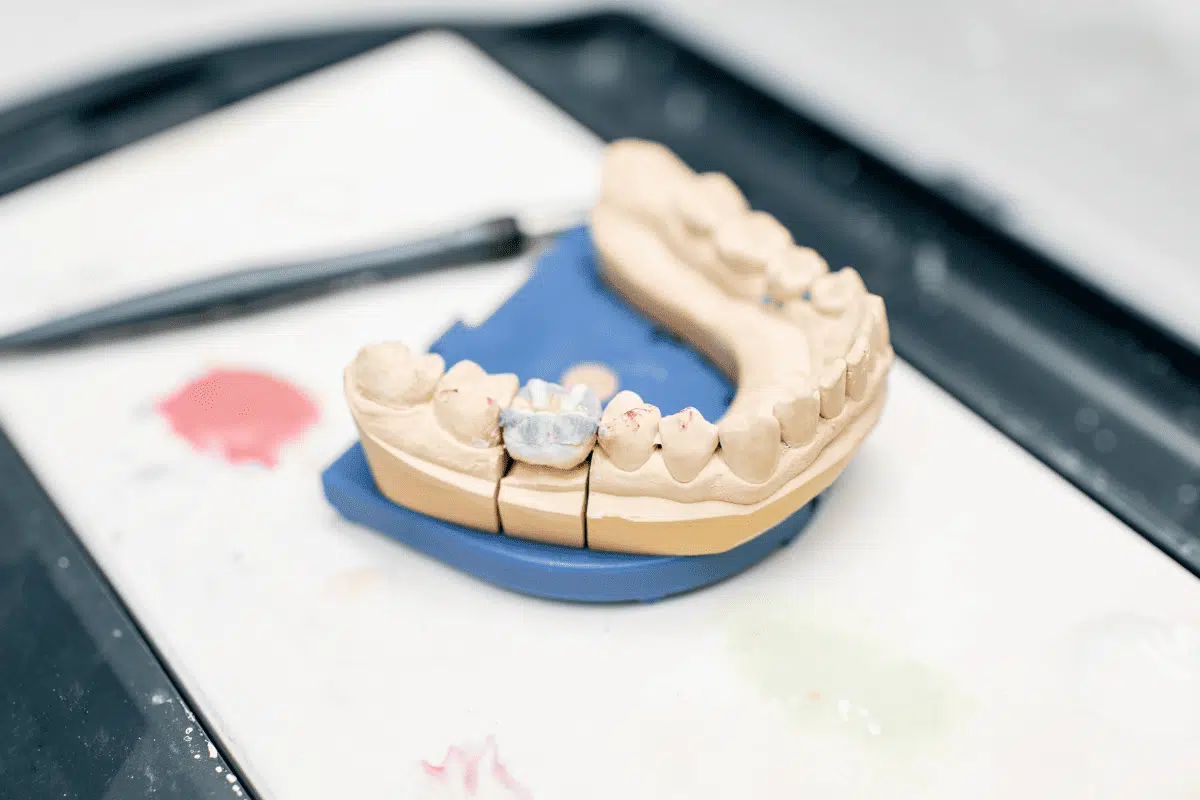
Next, we take highly accurate digital scans or impressions of your tooth.
These measurements allow your custom dental crown to be crafted with a precise fit while blending naturally with your surrounding teeth.
Temporary Protection
If your permanent crown is being fabricated by a dental laboratory, we’ll place a temporary crown to protect your tooth until your final restoration is ready.
This allows you to continue smiling and eating comfortably while your permanent crown is being created.
Placing Your Permanent Crown
Once your custom dental crown is ready, we’ll carefully check its fit, appearance, and bite before permanently bonding it to your tooth.
Our goal is to make sure your restoration feels comfortable, functions properly, and blends naturally with the rest of your smile. After a few days, most patients forget they’re even wearing a crown because it feels just like a natural tooth.
Why Saving Your Natural Tooth Is Worth It
Whenever we have the opportunity to preserve a natural tooth, we believe it’s worth pursuing. Your natural teeth are designed to work together, and keeping them healthy often provides the best long-term outcome for your oral health.
Here are some of the biggest advantages of choosing a dental crown instead of extraction whenever possible.
You Maintain Normal Chewing and Speaking
Your natural teeth play an important role in how you chew, bite, and speak. Restoring a damaged tooth with a crown helps you continue enjoying your favorite foods while maintaining normal oral function.
You Help Prevent Teeth from Shifting
When a tooth is removed, the surrounding teeth may gradually drift into the empty space. Over time, this movement can affect your bite, make cleaning more difficult, and increase the risk of additional dental concerns.
Saving your natural tooth helps keep your smile properly aligned.
You Support Long-Term Jawbone Health
Natural tooth roots stimulate the jawbone every time you chew. When a tooth is extracted, that stimulation is reduced, which can eventually contribute to bone loss in the area.
By preserving your tooth whenever possible, you’re also helping maintain the health and strength of your jawbone.
You May Avoid More Extensive Treatment
Although tooth replacement options such as dental implants, bridges, and dentures are excellent solutions when needed, preserving your natural tooth is often the most conservative approach.
Saving a tooth with a crown may help you avoid additional procedures, such as:
- Tooth extraction
- Dental implants
- Dental bridges
- Bone grafting
- More complex restorative treatment
Whenever appropriate, we’ll always discuss treatment options that allow you to keep your natural smile.
Can Every Damaged Tooth Be Saved?
While dental crowns are highly effective, they’re not the right solution for every situation.
During your examination, we’ll carefully evaluate whether your tooth has enough healthy structure to support a crown.
In some cases, extraction may still be the healthiest option, particularly if:
- The tooth is fractured below the gum line
- Extensive decay has left too little healthy tooth structure
- Advanced infection has damaged the surrounding bone
- Severe gum disease has significantly loosened the tooth
If a crown isn’t the best option, we’ll explain why and recommend the treatment that best protects your long-term oral health.
How Long Does a Dental Crown Last?
One of the questions we hear most often is, “How long will my crown last?”
The answer depends on several factors, including your oral hygiene, daily habits, and routine dental care.
With proper maintenance, many dental crowns continue to function well for 10 to 15 years or even longer.
To help maximize the life of your crown, we recommend:
- Brushing twice each day
- Flossing carefully around the crown
- Visiting us regularly for exams and professional cleanings
- Avoiding chewing on ice or other hard objects
- Wearing a custom nightguard if you grind or clench your teeth
These simple habits help protect both the crown and the healthy tooth underneath.
Why We Encourage Early Treatment
One of the biggest reasons patients lose teeth is simply waiting too long.
A small crack, worn filling, or minor cavity may not seem urgent at first, but these problems can worsen over time if left untreated.
We’ve seen many situations where a tooth that could have been restored with a dental crown eventually required extraction because treatment was delayed.
By addressing dental concerns early, we’re often able to preserve more natural tooth structure and provide simpler, less invasive treatment.
If something doesn’t feel right, we encourage you to let us evaluate it sooner rather than later.
Why Patients Choose Advanced Dentistry
Choosing the right dental team is just as important as choosing the right treatment.
At Advanced Dentistry, we believe every patient deserves personalized care, honest recommendations, and treatment plans tailored to their unique needs. We take the time to explain your options, answer your questions, and help you feel confident about every step of your care.
Whether you need a dental crown to strengthen a damaged tooth or you’re exploring other restorative solutions, our focus is always on protecting your oral health while preserving your natural smile whenever possible.
Frequently Asked Questions
Can a dental crown really prevent a tooth from being extracted?
In many cases, yes. If enough healthy tooth structure remains, a dental crown can strengthen and protect the tooth, allowing it to function normally while reducing the risk of future damage.
Does getting a dental crown hurt?
Most patients find the procedure very comfortable. We use local anesthesia to help ensure your treatment is as pain-free as possible, and we’ll make sure you’re comfortable throughout your visit.
How do I know if I need a crown or an extraction?
The only way to know for certain is through a comprehensive dental examination. We’ll evaluate your tooth with digital X-rays and a clinical exam before recommending the treatment that’s best for your oral health.
Will my dental crown look natural?
Yes. Modern crowns are carefully designed to match the size, shape, and color of your surrounding teeth, creating a natural-looking restoration that blends seamlessly with your smile.
Should I wait if my damaged tooth isn’t hurting?
Not necessarily. Many teeth with cracks or structural damage cause little or no pain in the early stages. Having the tooth evaluated promptly gives us the best opportunity to restore it before more extensive treatment becomes necessary.
Protect Your Natural Smile with Timely Care
A damaged tooth doesn’t always have to end in extraction. In many cases, restoring the tooth with a dental crown allows us to preserve its strength, function, and appearance while helping you avoid more complex treatment in the future.
At Advanced Dentistry, we’re committed to helping our patients keep their natural teeth whenever possible. By diagnosing problems early and recommending personalized restorative solutions, we can often save teeth that might otherwise be lost.
If you’re considering dental crown Cheshire treatment or have noticed a cracked, weakened, or painful tooth, don’t wait for the damage to worsen. Early care can make all the difference in protecting your smile for years to come.
If you’re ready to restore your smile and protect your oral health, Book Now to schedule your appointment with our team. We’ll evaluate your tooth, discuss your treatment options, and help you choose the solution that’s right for you.