(203) 272-7271
Handle Dental Emergencies with Confidence: Essential Tips

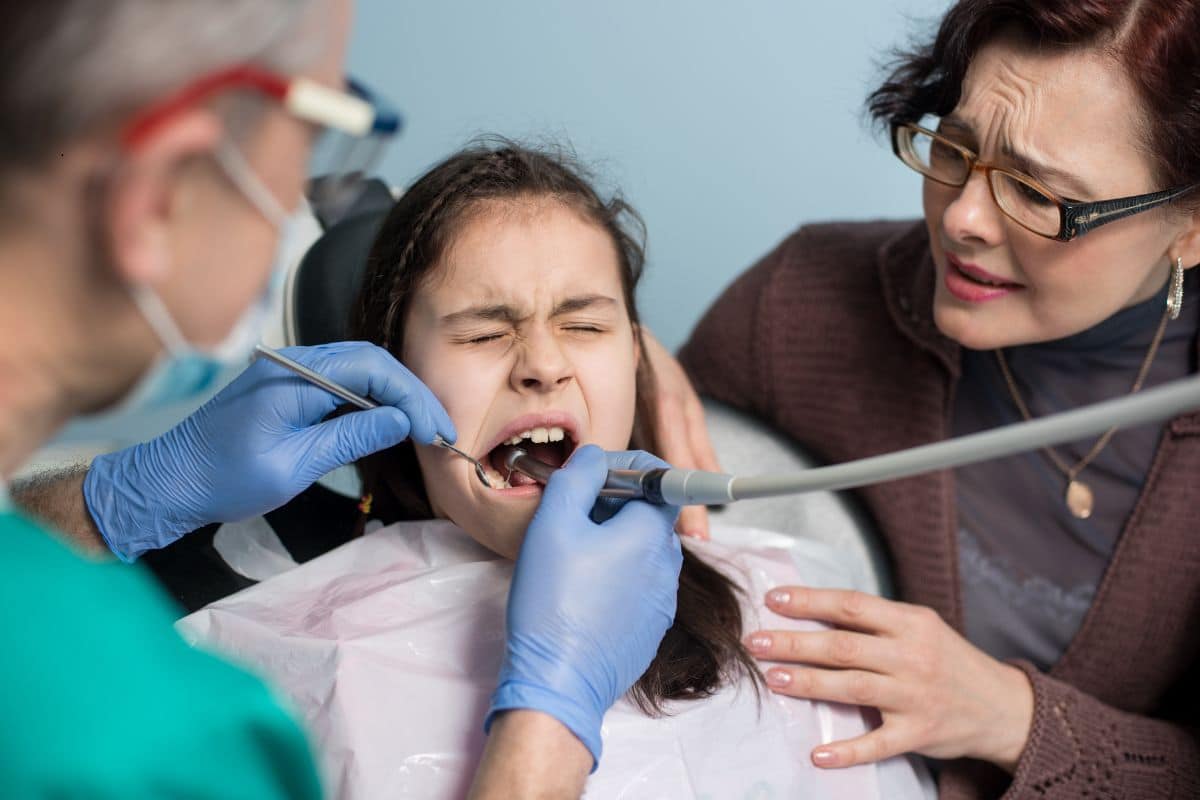
Dental emergencies can strike unexpectedly, causing discomfort and panic. Whether it’s a sudden toothache, a broken tooth, or any other dental issue, knowing how to handle the situation can make a significant difference in the outcome. This comprehensive guide provides essential tips to manage dental emergencies confidently. If you’re in the Cheshire area and need urgent dental care, don’t hesitate to contact an Emergency Dentist in Cheshire.
Understanding Dental Emergencies
What Constitutes a Dental Emergency?
A dental emergency involves any issue with your teeth or gums that requires immediate attention to alleviate pain, stop bleeding, or prevent severe damage. Common dental emergencies include:
- Severe toothache
- Broken or chipped teeth
- Knocked-out tooth
- Loose teeth
- Abscesses
- Soft tissue injuries (gums, lips, tongue)
Statistics on Dental Emergencies
According to the American Dental Association (ADA), about 22% of people have experienced dental or oral pain in the past six months. Additionally, a study by the National Institute of Dental and Craniofacial Research found that 1 in 6 Americans face a dental emergency annually.
Immediate Steps to Take During a Dental Emergency
Stay Calm and Assess the Situation
Staying calm is crucial during a dental emergency. Take a deep breath and assess the situation. Determine the severity of the issue and decide whether it requires immediate professional attention.
Common Dental Emergencies and How to Handle Them
1. Severe Toothache
- Rinse your mouth with warm water.
- Floss gently to remove any food particles stuck between your teeth.
- Apply a cold compress to the outside of your cheek to reduce swelling.
- Avoid using painkillers directly on your gums as they can burn the tissue.
2. Broken or Chipped Tooth
- Rinse your mouth with warm water to clean the area.
- Save any broken pieces and rinse them with water.
- Apply gauze to any bleeding area for about 10 minutes.
- Use a cold compress to minimize swelling.
3. Knocked-Out Tooth
- Retrieve the tooth and hold it by the crown (the part usually exposed in the mouth), not the root.
- Rinse it gently without removing any attached tissue.
- Place the tooth back in the socket if possible, or keep it in a container of milk or saline solution.
- Seek immediate dental care as time is critical.
4. Loose Teeth
- Avoid touching or trying to move the tooth.
- Apply a cold compress to reduce swelling.
- Seek professional help to stabilize the tooth.
5. Abscess
- Rinse your mouth with a mild saltwater solution.
- Avoid touching the abscess.
- Seek immediate dental care as abscesses can lead to serious infections.
6. Soft Tissue Injuries
- Clean the area with warm water.
- Apply pressure with gauze or a tea bag to stop bleeding.
- Use a cold compress to reduce swelling.
- Visit your dentist or an emergency room if bleeding doesn’t stop.
Preventive Measures to Avoid Dental Emergencies
Maintain Regular Dental Check-Ups
Regular visits to your dentist can help identify potential issues before they become emergencies. It is recommended to visit your dentist at least twice a year.
Practice Good Oral Hygiene
- Brush your teeth at least twice a day.
- Floss daily to remove plaque and food particles.
- Use mouthwash to kill bacteria and freshen your breath.
Wear Protective Gear
If you participate in sports, wearing a mouthguard can protect your teeth from injury. Similarly, if you grind your teeth at night, a nightguard can prevent damage.
Avoid Chewing Hard Objects
Avoid chewing on ice, hard candies, or other hard objects that can crack or chip your teeth.
When to Seek Professional Help
Recognizing When It’s Time to Call an Emergency Dentist
If you’re experiencing severe pain, heavy bleeding, or have a knocked-out tooth, it’s crucial to seek immediate professional help. Delaying treatment can result in more serious complications and increased treatment costs.
Emergency Dentist Cheshire
For those in the Cheshire area, finding a reliable Emergency Dentist in Cheshire is essential. These professionals are equipped to handle dental emergencies swiftly and effectively, ensuring you receive the best care possible.
Conclusion
Dental emergencies can be daunting, but knowing how to handle them can help you manage the situation with confidence. Remember to stay calm, assess the severity of the issue, and seek professional help when necessary. Maintaining good oral hygiene and regular dental check-ups can also reduce the risk of emergencies. If you’re in the Cheshire area and need immediate assistance, don’t hesitate to reach out to an Emergency Dentist in Cheshire for expert care.
By following these essential tips, you can handle dental emergencies effectively and protect your oral health. Stay prepared and ensure you know where to find help when you need it most.