(203) 272-7271
7 Warning Signs You Need to See an Emergency Dentist Immediately

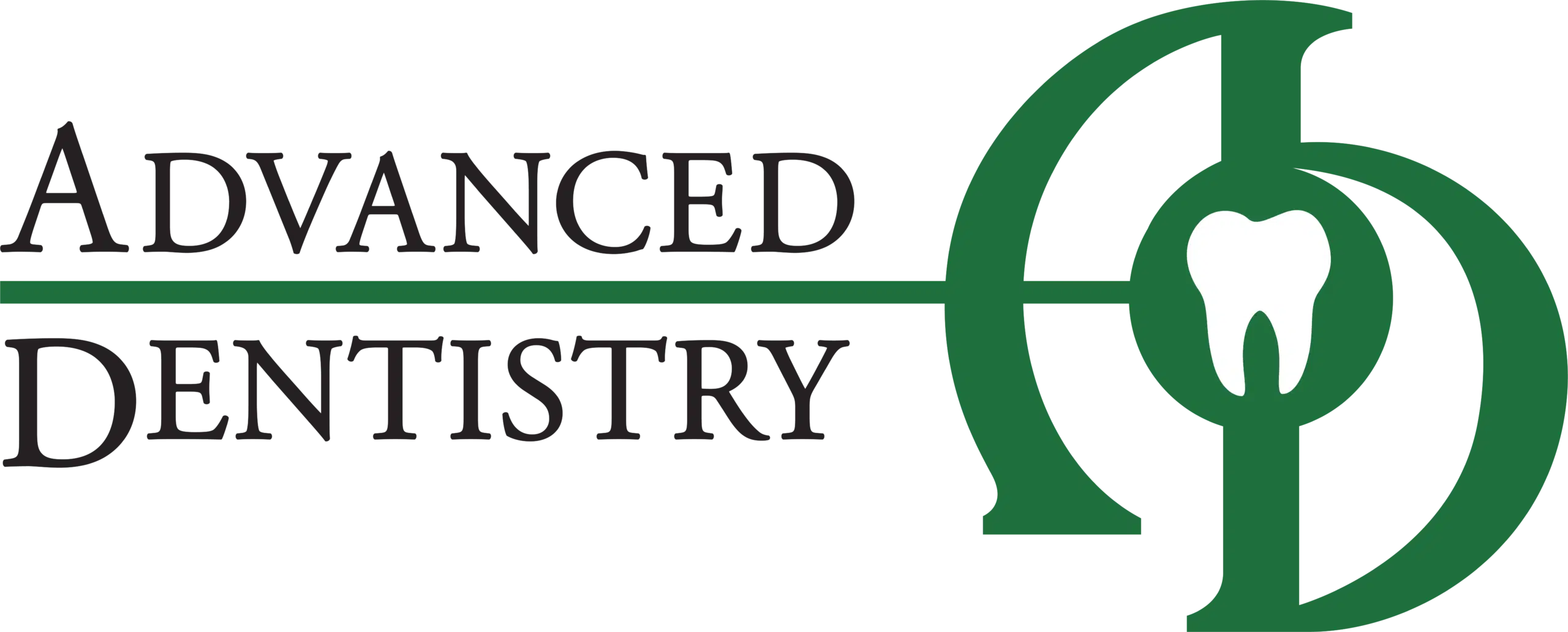
Dental emergencies can happen when you least expect them. Whether it’s a sudden pain or an unexpected injury, knowing when to seek immediate care is crucial for your oral health. Not all dental issues require a trip to an emergency dentist, but there are certain warning signs you should never ignore. Here’s a guide to help you recognize when it’s time to visit an Emergency Dentist in Cheshire right away.
1. Severe Toothache That Won’t Go Away
A persistent, severe toothache is often a sign that something is seriously wrong. While mild discomfort can sometimes be managed at home, intense pain that doesn’t subside with over-the-counter painkillers may indicate an infection, an abscess, or a damaged nerve. In such cases, seeing an emergency dentist is crucial to prevent the condition from worsening.
What to Do: Don’t try to tough it out. Call your emergency dentist in Cheshire to get the immediate care you need. They can diagnose the issue and provide the appropriate treatment to relieve your pain and protect your tooth.
2. Broken or Chipped Tooth
Accidents happen, and sometimes they result in a broken or chipped tooth. Even if the damage seems minor, it’s important to get it checked out right away. A broken tooth can expose the inner layers to bacteria, increasing the risk of infection and further damage.
What to Do: Rinse your mouth with warm water and try to save any pieces of the tooth, if possible. Apply a cold compress to reduce swelling, and see your emergency dentist in Cheshire as soon as possible.
3. Knocked-Out Tooth
A knocked-out tooth is one of the most obvious dental emergencies and requires immediate attention. If you act quickly, there’s a chance the tooth can be reinserted and saved. Taking proactive measures to prevent tooth loss can help you avoid the bite issues and bone loss that often follow a traumatic tooth loss. Timing is everything in this situation, so don’t delay.
What to Do: Handle the tooth by the crown (the part that’s usually visible) and avoid touching the root. Rinse it gently with water if it’s dirty, but don’t scrub or remove any tissue fragments. Try to place the tooth back in its socket if you can, or store it in a container of milk. Then, head straight to your emergency dentist in Cheshire.
4. Swollen or Bleeding Gums
Swollen, bleeding gums are often a sign of gum disease, but if the symptoms are severe and come on suddenly, it could indicate an abscess or a serious infection that requires prompt treatment. Left untreated, such infections can spread and cause significant health problems.
What to Do: Rinse your mouth with salt water to reduce bacteria and soothe the gums, but don’t wait too long to seek professional help. Contact your emergency dentist to get a thorough evaluation and treatment.
5. Persistent Jaw Pain or Swelling
Jaw pain or swelling that doesn’t go away could be a sign of a serious issue, such as an infection, a cyst, or even a fracture. These conditions can lead to more severe complications if not treated promptly.
What to Do: Apply a cold compress to reduce swelling and seek an immediate consultation with an emergency dentist in Cheshire. They’ll be able to determine the cause of your discomfort and recommend the appropriate treatment.
6. Lost Dental Filling or Crown
Losing a filling or crown may not seem like an urgent issue, but it can leave your tooth vulnerable to damage and infection. Without the protective layer provided by the filling or crown, your tooth can become sensitive and painful, and the underlying structure may deteriorate.
What to Do: Keep the area clean and avoid chewing on the affected side. Contact your emergency dentist to have the filling or crown replaced as soon as possible to prevent further damage.
7. Abscessed Tooth
An abscessed tooth is a serious condition where a pocket of pus forms in the tooth or gums, usually due to a bacterial infection. Symptoms include severe pain, swelling, a bad taste in your mouth, and fever. This condition requires immediate attention, as it can lead to the infection spreading to other parts of your body.
What to Do: Rinse your mouth with salt water to help reduce the pain and draw out some of the pus, but don’t wait to seek professional help. An emergency dentist in Cheshire can provide the necessary treatment, which may include draining the abscess, prescribing antibiotics, or performing a root canal.
Conclusion
Dental emergencies are not only painful but can also lead to serious health issues if not treated promptly. If you experience any of the warning signs mentioned above, don’t hesitate to reach out to an Emergency Dentist in Cheshire. Our expert team is ready to provide the care you need to relieve your pain and protect your smile. Quick action can make all the difference in saving your tooth and preventing further complications. Contact us today for immediate assistance.