(203) 272-7271
The Five Most Common Reasons for Emergency Visits


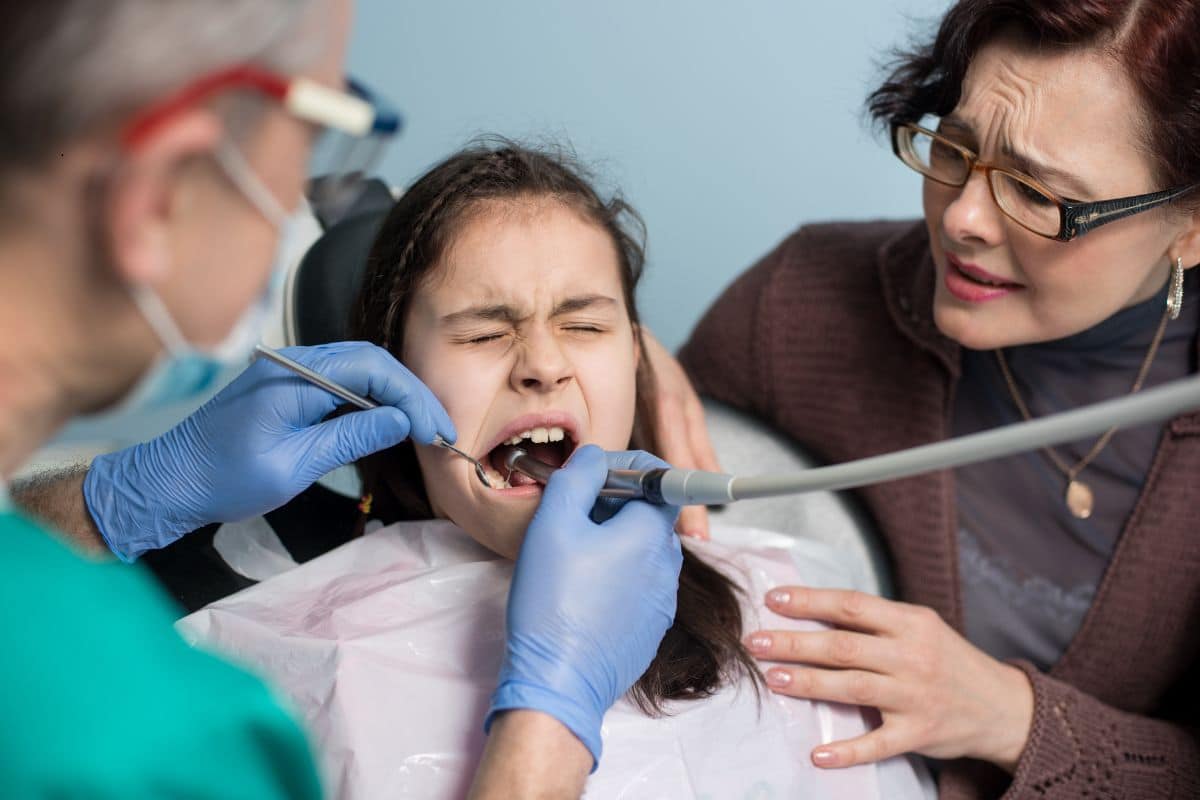
Dental emergencies can happen unexpectedly, causing discomfort and stress. Understanding the common reasons for emergency dental visits can help you stay prepared and know when it’s essential to seek immediate care. This blog will explore the five most common reasons people need an emergency dentist, along with tips on how to handle these situations.
1. Severe Toothache: More Than Just a Pain
Toothaches are one of the most common reasons people seek emergency dental care. While minor tooth pain can often be managed at home with over-the-counter pain relievers, a severe toothache that disrupts your daily routine requires immediate attention.
Common Causes of Toothaches:
- Tooth decay or cavities
- Infection or abscess
- Cracked or damaged tooth
- Gum disease
What You Can Do:
- Rinse your mouth with warm salt water to help reduce inflammation.
- Avoid chewing on the side of the mouth where the pain is.
- Apply a cold compress to the outside of your cheek to reduce swelling.
- Contact an emergency dentist as soon as possible. A dentist in Cheshire can provide the necessary treatment to alleviate pain and address the root cause.
2. Broken or Chipped Teeth: Not Just a Cosmetic Issue
Accidents happen, whether it’s biting into something hard, a fall, or an impact during sports. A broken or chipped tooth is not just a cosmetic concern—it can lead to severe pain, sensitivity, and a risk of infection.
Common Causes of Broken Teeth:
- Trauma from accidents
- Biting down on hard foods or objects
- Weak teeth due to decay or previous dental work
Immediate Steps:
- Rinse your mouth with warm water to clean the area.
- Apply a piece of gauze if there’s any bleeding.
- Preserve any pieces of the tooth and take them to the dentist.
- See an emergency dentist right away to prevent further damage and discuss repair options like bonding, crowns, or veneers.
3. Knocked-Out Tooth: A Race Against Time
A knocked-out tooth is a serious dental emergency that requires quick action. The sooner you get to the dentist, the better the chances of saving the tooth. Timing is crucial, as re-implantation is most successful within the first hour after the tooth is knocked out.
Common Causes of Knocked-Out Teeth:
- Sports injuries
- Falls or accidents
- Physical altercations
What to Do Immediately:
- Handle the tooth carefully, avoiding the root. Rinse it gently without scrubbing.
- Try to place the tooth back in its socket, holding it by the crown.
- If this isn’t possible, keep the tooth moist by placing it in a container of milk or a saline solution.
- Seek urgent care from an emergency dentist in Cheshire to increase the likelihood of saving your tooth.
4. Lost Filling or Crown: Don’t Ignore It
Fillings and crowns are meant to protect weakened teeth, but they can occasionally fall out, especially when chewing on hard or sticky foods. While it may not always cause immediate pain, a lost filling or crown leaves your tooth vulnerable to damage and infection.
Common Causes:
- Decay under the restoration
- Normal wear and tear
- Chewing on hard or sticky foods
Immediate Action:
- Try to keep the area clean and avoid chewing on the affected side.
- If you still have the crown, keep it safe and bring it to your dental appointment.
- Contact an emergency dentist to have the filling or crown replaced promptly. A lost filling can quickly turn into a more severe problem if left untreated.
5. Abscessed Tooth: An Urgent Dental Infection
An abscessed tooth is a painful and potentially serious infection that occurs at the root of a tooth or between the gum and a tooth. If left untreated, it can spread to other parts of the body, leading to severe complications.
Common Signs of an Abscessed Tooth:
- Severe, throbbing tooth pain
- Swelling in the face or gums
- Fever
- A pimple-like bump on the gums near the affected tooth
Steps to Take:
- Rinse your mouth with a mild saltwater solution to help draw the pus to the surface.
- Avoid hot or cold foods and drinks that might irritate the area.
- Seek immediate treatment from an emergency dentist. Cheshire residents can access timely care to manage pain and prevent the infection from spreading.
When to Visit an Emergency Dentist
Knowing when to visit an emergency dentist can save you from prolonged pain and more severe dental problems. Here are some clear signs that you need urgent dental care:
- Intense, unmanageable pain
- Uncontrolled bleeding
- Visible damage to your teeth or gums
- Signs of infection such as swelling, fever, or pus
If you experience any of these issues, don’t delay seeking help. The sooner you act, the more likely you are to avoid long-term complications.
Get the services you need
Any dental issue that causes excruciating pain or comes with lots of bleeding counts as a dental emergency.
Dental emergencies are never convenient, but being aware of the common causes and knowing how to respond can make a significant difference in the outcome. Whether it’s a severe toothache, a knocked-out tooth, or a lost filling, taking quick action and reaching out to an emergency dentist is essential. For residents of Cheshire, having access to an emergency dentist ensures that you can get the care you need when it matters most. Don’t hesitate to contact your local dental office when facing any of these emergencies—they are there to help you manage the unexpected.
Request an appointment here or call at (203) 272-7271 for an appointment in our Cheshire office.