(203) 272-7271
What Happens If a Tooth Infection Is Left Untreated?

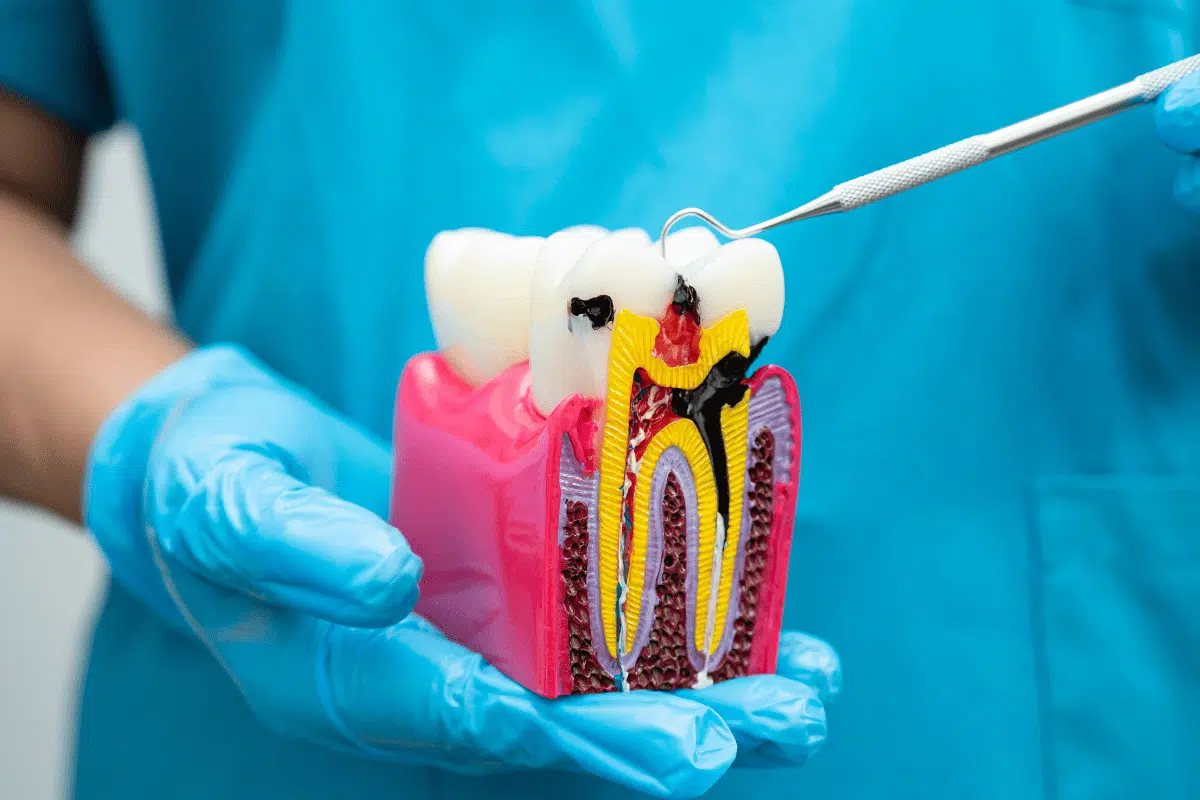
A tooth infection rarely gets better on its own. At first, it may feel like a mild toothache or occasional sensitivity, making it easy to ignore. We’ve seen many patients wait because the discomfort comes and goes, or they hope the problem will resolve itself. Unfortunately, that’s rarely the case.
At Advanced Dentistry, we know that even a small infection can progress into a much more serious dental problem if left untreated. What starts inside one tooth can eventually spread to the surrounding gums, jawbone, and, in some cases, even affect your overall health.
If you’re experiencing persistent tooth pain, swelling, sensitivity to hot or cold foods, or discomfort while chewing, it’s important not to wait. Seeking treatment early gives us the best opportunity to save your natural tooth, relieve your pain, and prevent more complex dental procedures later. Patients searching for root canal therapy Cheshire often discover that prompt care is the key to protecting their long-term oral health.
Understanding a Tooth Infection
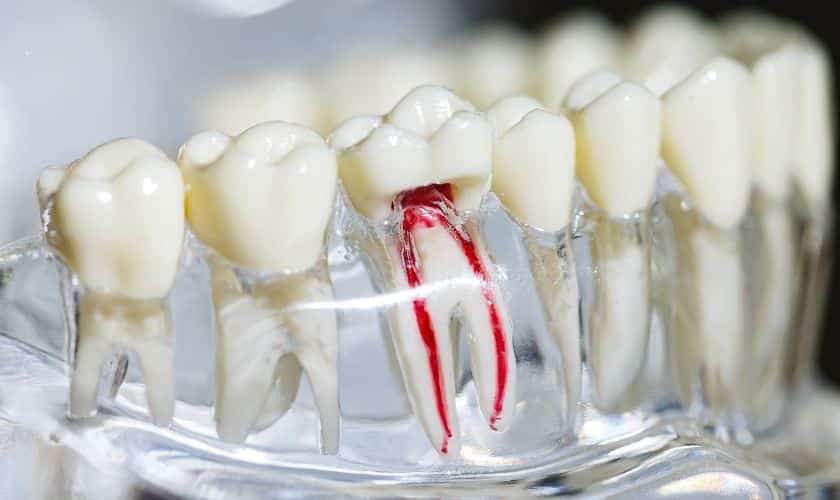
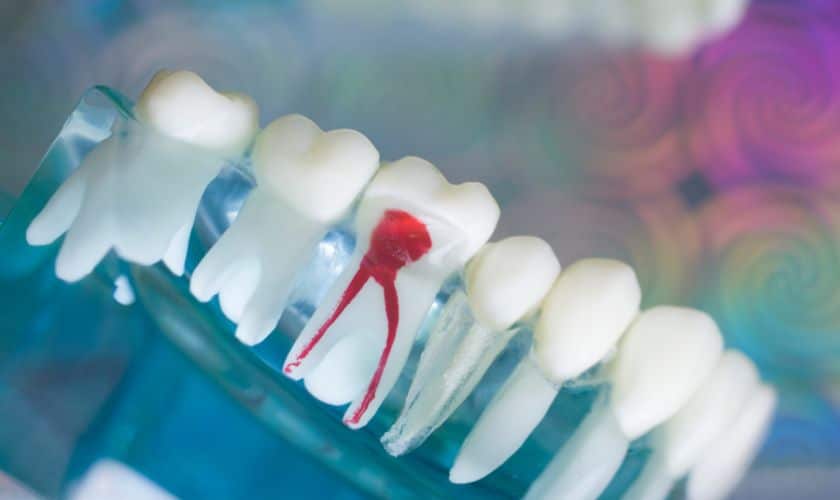
A tooth infection, often called a dental abscess, develops when bacteria reach the inner part of the tooth, known as the pulp. This soft tissue contains nerves, blood vessels, and connective tissue that keep your tooth alive.
Once bacteria enter the pulp, your body’s natural response is inflammation. As the infection grows, pressure builds inside the tooth, often causing increasing pain and sensitivity.
Some of the most common causes of tooth infections include:
- Untreated cavities
- Deep tooth decay
- Cracked or fractured teeth
- Gum disease
- Previous dental injuries
- Worn or damaged fillings
- Poor oral hygiene habits
No matter how the infection starts, it usually won’t disappear without professional treatment. The longer it remains untreated, the greater the chance it will spread.
Early Signs You Shouldn’t Ignore
One of the biggest challenges with tooth infections is that the early symptoms can seem minor. Many patients tell us they experienced occasional discomfort for weeks before the pain became severe.
Recognizing these warning signs early allows us to treat the problem before it becomes more complicated.
Common symptoms include:
- Persistent toothache
- Throbbing pain
- Swollen or tender gums
- Sensitivity to hot or cold foods
- Pain when chewing
- A bad taste in the mouth
- Facial swelling
- Fever or fatigue
Even if the pain disappears temporarily, the infection may still be present beneath the surface. That’s why we always recommend scheduling an evaluation instead of waiting for symptoms to worsen.
What Happens If You Ignore a Tooth Infection?
Many people assume the infection will remain inside one tooth. In reality, bacteria continue to multiply over time, increasing the risk of damage to nearby teeth, gums, and surrounding bone.
Here are some of the most common complications we see when treatment is delayed.
The Pain Usually Gets Worse
Early tooth pain may come and go, but as the infection reaches deeper into the pulp, the discomfort often becomes more intense.
Patients frequently describe:
- Constant throbbing pain
- Sharp pain while biting
- Difficulty sleeping
- Pain that spreads into the jaw or ear
- Increased sensitivity to temperature
As pressure builds inside the tooth, everyday activities like eating or even talking can become uncomfortable.
Rather than relying on temporary pain relief, we encourage patients to address the source of the problem before it progresses further.
The Infection Can Spread to Your Gums
When bacteria escape the infected tooth, they often begin affecting the surrounding gum tissue.
You may notice:
- Red, swollen gums
- Tenderness around the affected tooth
- Drainage from the gums
- Persistent bad breath
- A small bump or pimple on the gum
These symptoms may indicate that the infection is continuing to spread.
Treating the infection early helps us protect both your gums and the supporting structures that keep your teeth healthy.
Nearby Teeth Can Become Affected
A tooth infection doesn’t always stay isolated.
As bacteria spread, neighboring teeth may become more vulnerable to infection and inflammation. This can increase the amount of treatment required and affect multiple areas of your mouth.
By seeking treatment as soon as symptoms appear, we can often prevent the infection from spreading beyond the original tooth.
Delaying Treatment Increases the Risk of Tooth Loss
One of our primary goals is always to preserve your natural teeth whenever possible.
Unfortunately, when infections remain untreated for too long, they may destroy enough tooth structure or supporting bone that saving the tooth is no longer possible.
If that happens, extraction may become the only option.
Saving your natural tooth provides several important benefits, including:
- Maintaining proper chewing function
- Preserving jawbone health
- Preventing neighboring teeth from shifting
- Keeping your smile looking natural
- Supporting long-term oral health
This is one of the reasons we often recommend root canal therapy before the infection causes irreversible damage.
Tooth Infections Can Affect More Than Your Mouth
Many people are surprised to learn that oral health and overall health are closely connected.
Although uncommon, severe dental infections can spread beyond the mouth if left untreated. Bacteria may travel into surrounding tissues and, in rare situations, enter the bloodstream.
Potential complications may include:
- Jawbone infections
- Sinus infections
- Swelling in the face or neck
- Difficulty swallowing
- Serious systemic infections
While these situations are not common, they highlight why tooth infections should never be ignored.
The earlier we diagnose and treat the infection, the lower the risk of more serious complications.
How Root Canal Therapy Helps Save Your Tooth
When an infection reaches the pulp of the tooth, root canal therapy is often the most effective way to eliminate the infection while preserving your natural tooth.
During treatment, we carefully:
- Remove the infected pulp tissue
- Clean and disinfect the inside of the tooth
- Seal the canals to help prevent reinfection
- Restore the tooth with a filling or dental crown when needed
Many patients are surprised by how comfortable modern root canal treatment can be. Thanks to advanced techniques and local anesthesia, the procedure is often no more uncomfortable than receiving a routine dental filling.
Even more importantly, treating the infection addresses the source of your pain rather than simply masking the symptoms.
Why Early Treatment Makes a Difference
One of the best things you can do for your oral health is address a tooth infection as soon as symptoms appear. Early treatment often allows us to resolve the problem before it becomes more complicated, helping you avoid unnecessary discomfort and more extensive dental procedures.
Here are some of the biggest advantages of seeking care sooner rather than later.
We Can Often Save Your Natural Tooth
Whenever possible, our priority is to preserve your natural teeth. Keeping your original tooth helps maintain proper chewing function, supports your jawbone, and prevents nearby teeth from shifting out of position.
When we treat an infection early, procedures like root canal therapy often allow us to remove the infection while keeping the natural tooth intact.
You’ll Find Relief Sooner
Living with a toothache can affect nearly every part of your day. Eating, sleeping, working, and even concentrating can become difficult when you’re dealing with constant dental pain.
By treating the source of the infection, we can often provide lasting relief instead of temporary solutions that simply mask the discomfort.
You Can Reduce the Risk of Future Complications
Tooth infections rarely stay the same. Left untreated, they often become more severe and may require more complex procedures.
Early treatment can help lower the risk of:
- Tooth extraction
- Bone loss around the affected tooth
- Gum disease progression
- Additional infections
- More extensive restorative treatment
Addressing the problem early is often the simplest and most conservative approach.
Your Overall Health Benefits Too
Your oral health is closely connected to your overall well-being. By removing infection from your mouth, you’re also helping reduce the possibility of bacteria spreading to surrounding tissues or other areas of the body.
Healthy teeth and gums contribute to a healthier you.
Why We Encourage Cheshire Patients Not to Wait
We understand that life gets busy. Many patients postpone dental appointments because work, family responsibilities, or daily commitments take priority.
However, delaying treatment often allows a small problem to become a much larger one.
At Advanced Dentistry, we encourage our patients to contact us as soon as they notice persistent tooth pain, swelling, or sensitivity. The sooner we evaluate the problem, the sooner we can recommend the most appropriate treatment and help you avoid unnecessary complications.
Our goal is always to provide comfortable, personalized care while helping you preserve your natural smile for years to come.
How You Can Help Prevent Tooth Infections
While not every tooth infection can be prevented, maintaining healthy habits significantly reduces your risk.
Practice Good Oral Hygiene Every Day
Daily home care is one of the most effective ways to protect your teeth from decay and infection.
We recommend:
- Brushing twice a day with fluoride toothpaste
- Flossing daily to remove plaque between teeth
- Limiting sugary snacks and beverages
- Drinking plenty of water throughout the day
- Replacing your toothbrush regularly
These simple habits help remove harmful bacteria before they can cause serious dental problems.
Visit Us for Routine Checkups
Regular dental visits allow us to identify small concerns before they develop into painful infections.
During your routine appointments, we can:
- Examine your teeth for early signs of decay
- Monitor existing fillings or restorations
- Perform professional cleanings
- Evaluate your gums and supporting bone
- Recommend preventive treatments when appropriate
Preventive care is often the easiest and most cost-effective way to maintain a healthy smile.
Don’t Ignore Small Changes
One of the most common mistakes we see is waiting until pain becomes severe before seeking care.
Even mild symptoms deserve attention, including:
- Occasional sensitivity
- A small chip or crack
- Mild discomfort while chewing
- A filling that feels loose
- Bleeding or swollen gums
Treating these issues early often helps us prevent infections from developing in the first place.
When Should You Seek Immediate Dental Care?
Although every dental concern should be evaluated, certain symptoms may indicate that you need prompt treatment.
We recommend contacting our office as soon as possible if you experience:
- Severe or worsening tooth pain
- Swelling in your face or jaw
- Fever along with tooth pain
- Pus or drainage near the gums
- Difficulty swallowing
- Swollen lymph nodes
- Persistent bad taste or odor in your mouth
These symptoms may indicate that an infection is progressing and should be evaluated without delay.
Why Patients Choose Advanced Dentistry
Choosing the right dental team can make a significant difference in both your comfort and your long-term oral health.
At Advanced Dentistry, we believe every patient deserves compassionate, personalized care. We take the time to understand your symptoms, explain your treatment options, and answer your questions so you can make informed decisions about your dental health.
Whether you’re experiencing a painful tooth infection or simply want peace of mind, our team is committed to helping you protect your smile with modern, patient-centered care.
Frequently Asked Questions
Can a tooth infection heal without treatment?
No. While the pain may temporarily improve, the infection itself usually remains. Without professional treatment, bacteria can continue spreading and cause more serious complications.
Is root canal therapy painful?
Modern root canal treatment is much more comfortable than many people expect. With local anesthesia and advanced techniques, most patients compare the experience to receiving a routine filling.
How long can I wait before treating a tooth infection?
There is no safe amount of time to leave a tooth infection untreated. Some infections progress slowly, while others worsen quickly. Seeking care as soon as symptoms appear offers the best chance of saving your natural tooth.
Will I always need a tooth extraction if I have an infection?
Not necessarily. In many cases, we can save the tooth with root canal therapy if the infection is diagnosed before significant damage occurs.
How do I know if I need root canal therapy?
Only a dental examination can determine whether root canal therapy is the right treatment. Persistent pain, prolonged sensitivity, swelling, deep decay, or signs of infection are common indicators that further evaluation is needed.
Protect Your Smile Before a Small Problem Becomes a Bigger One
A tooth infection is more than just a painful inconvenience; if left untreated, it can affect your oral health, comfort, and even your overall well-being. The encouraging news is that early root canal therapy cheshire treatment often allows us to eliminate the infection, relieve your pain, and preserve your natural tooth before more extensive care becomes necessary.
At Advanced Dentistry, we’re committed to helping our patients receive timely, compassionate care in a comfortable environment. If you’re experiencing persistent tooth pain, swelling, or other signs of infection, don’t wait for the problem to worsen. Early diagnosis and treatment can make all the difference in protecting your smile and your long-term oral health.
If you’re ready to find relief and take the next step toward a healthier smile, Book Now to schedule your appointment with our team. We’re here to help you feel comfortable, informed, and confident in your care every step of the way.