(203) 272-7271

Navigating Dental Wellness: Unveiling the Benefits of Root Canal Therapy in Cheshire


Welcome to our blog where we embark on a journey into the world of dental wellness in Cheshire. Today, we shine a spotlight on one of the most misunderstood and feared dental procedures – root canal therapy. Yes, you heard it right! Root canal therapy doesn’t have to be shrouded in dread and apprehension. This procedure can be a key player in saving your natural teeth and restoring your oral health.
Understanding Root Canal Therapy
Root canal therapy, also known as endodontic treatment, is a dental procedure aimed at saving and preserving a severely infected or damaged tooth. Contrary to popular belief, it is not a painful experience but rather an essential step in maintaining your oral health.
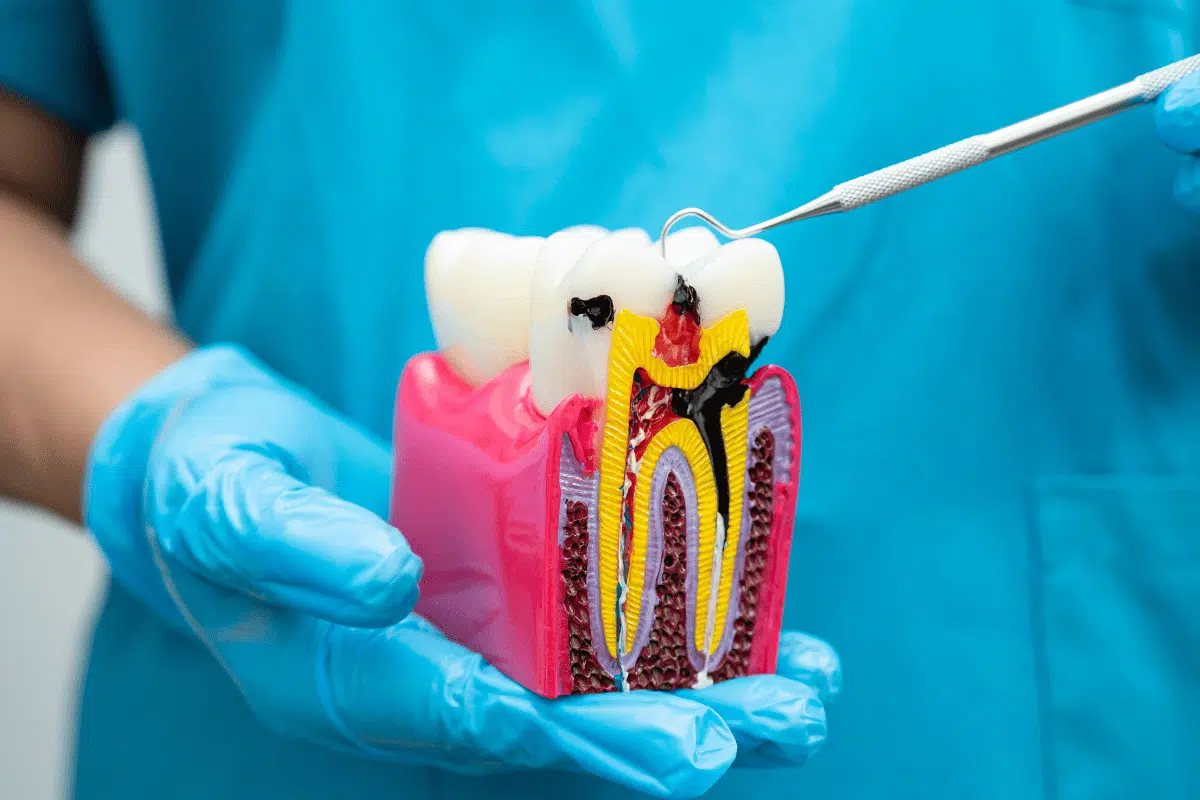
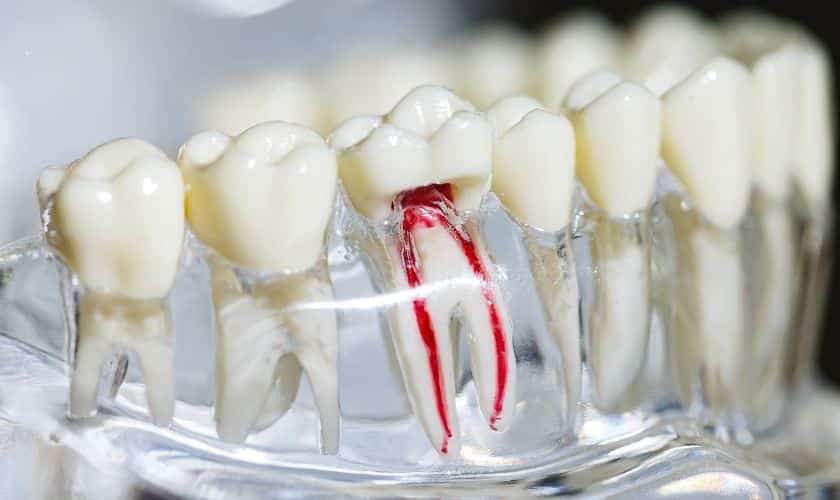
So, how does it work? Underneath the enamel and dentin layers of our teeth lies the soft tissue called pulp. This pulp contains nerves, blood vessels, and connective tissues that help nourish the tooth during its development. However, if this pulp becomes infected due to deep decay or trauma, it can lead to severe pain and even abscess formation.
During root canal therapy, our skilled dentist carefully removes the infected pulp from within the tooth. Once removed, they clean and disinfect the affected area before filling it with a biocompatible material called gutta-percha. A crown or restoration is then placed on top of the treated tooth for added protection and functionality.
By undergoing root canal therapy instead of opting for extraction, you get to keep your natural tooth intact while alleviating any pain or discomfort associated with an infection. It also prevents further complications such as bone loss or shifting of adjacent teeth.
Contrary to common misconceptions surrounding root canal therapy being excruciatingly painful or unnecessary when compared to extraction options – this dental procedure has come a long way in terms of advancements in technology and techniques used by dental professionals today.
The Benefits of Root Canal Therapy:
- Root Canal Therapy, also known as endodontic treatment, aims to save severely infected or damaged teeth from extraction.
- The procedure involves removing infected pulp within the tooth and filling it with special material to prevent further infection.
- Pain relief is a significant benefit; it eliminates the excruciating pain caused by infected teeth, providing immediate relief.
- Restoration of normal chewing ability is another advantage; decayed or damaged teeth can make eating uncomfortable, which improves after root canal therapy.
- Preserve natural smile and appearance by avoiding gaps or the need for additional dental work like implants or bridges that may follow tooth extraction.
- Cost-effective in the long run compared to alternatives like extractions followed by prosthetic replacements.
- Saves money and prevents potential complications associated with missing teeth, such as bone loss or shifting of adjacent teeth.
Common Misconceptions about Root Canal Therapy
Myth #1: Root canals are painful
One of the most common misconceptions is that root canal therapy is extremely painful. However, thanks to advancements in dentistry and modern anesthesia techniques, the procedure itself is virtually painless. In fact, most patients report feeling relief from their initial toothache after having a root canal.
Myth #2: Extraction is a better option than root canal therapy
Some people believe that extracting a tooth affected by infection or decay is a simpler solution compared to undergoing root canal therapy. However, it’s important to understand that preserving natural teeth whenever possible should always be the priority. Tooth extraction may lead to other issues such as bone loss and misalignment of neighboring teeth.
Myth #3: Root canals cause illness
There has been a long-standing misconception linking root canals with systemic illnesses. This belief originated nearly 100 years ago from poorly conducted research that has since been discredited. Numerous scientific studies have confirmed the safety and effectiveness of modern root canal treatments.
Myth #4: Antibiotics alone can cure infected teeth
Taking antibiotics may provide temporary relief for tooth infections, but they cannot completely eliminate the underlying problem within the tooth structure itself. The only way to effectively treat an infected tooth is through proper cleaning and sealing during a root canal procedure.
It’s crucial not to let misconceptions deter you from seeking necessary dental treatment like root canal therapy when needed. Consulting with your dentist will help clarify any concerns or doubts you may have regarding this beneficial procedure.
Remember, maintaining good oral health practices such as regular brushing, flossing, and routine dental check-ups will go a long way in preventing extensive damage or the need for invasive treatments like root canals.