(203) 272-7271
How can parents help prevent tooth decay?

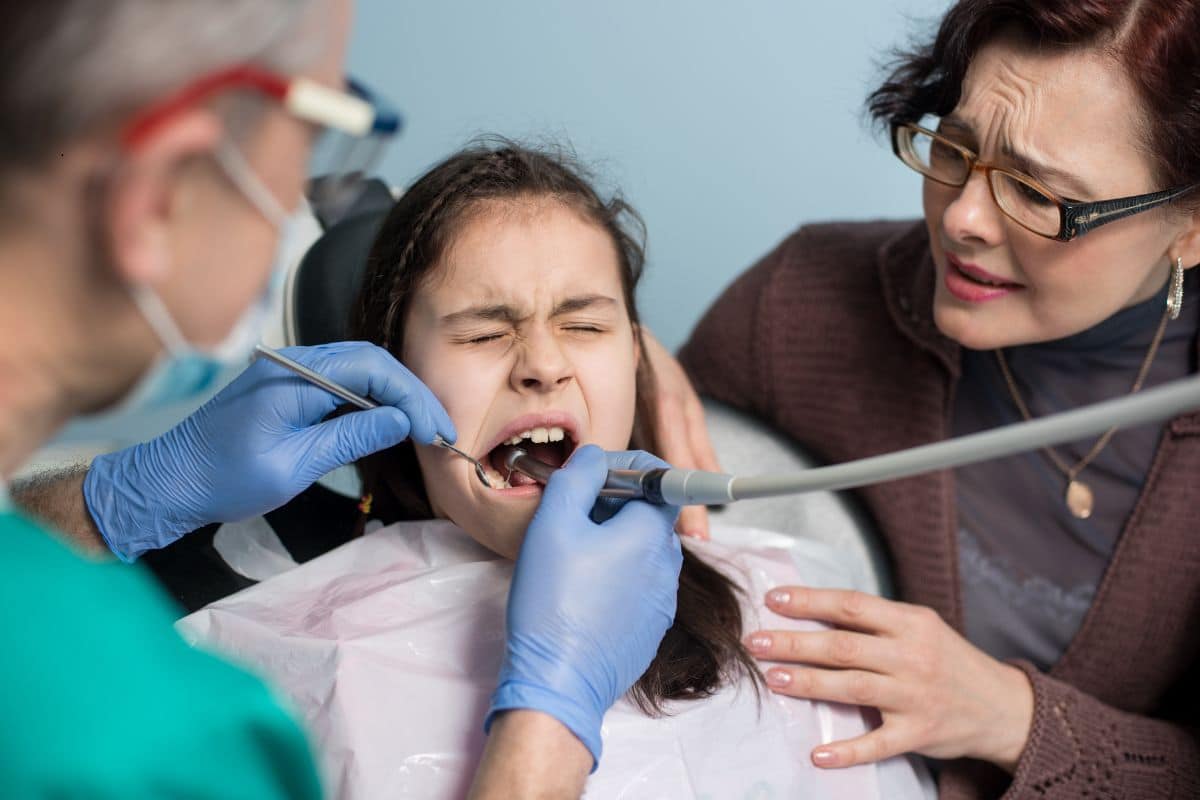
Children are born with a set of primary teeth – 20 to be exact – that help them learn to chew and speak, and develop enough space in the jaw for the permanent teeth that will appear several years later. Kids are especially susceptible to decay, which can cause pain and tooth loss, a problem that could interfere with oral development. As a parent, you must take proactive steps to keep your child’s teeth as healthy as possible.
Bottles and “Sippie Cups”
One of the biggest culprits of childhood tooth decay is poor diet. This begins as early as a few months old, when children are often allowed to go to bed with bottles and “sippie cups” of milk or juice. The sugars in these beverages – even natural sugars – can steadily decay the teeth.
The doctor and our staff suggest serving children milk and juice only at meal times, and limiting juice intake to just a few ounces per day. If your child becomes thirsty between meals or likes to go to bed with a bottle, serve water during these times.
Hygiene
As a parent, you can establish healthy dental habits long before your child’s first tooth erupts. Start by gently wiping your baby’s gums with a clean washcloth during the first months of life. By age one, graduate to an appropriately sized toothbrush with fluoridated toothpaste, and brush at least twice a day.
Dental Visits
Dental visits should start early and continue regularly throughout your child’s life. The doctor and our staff recommend parents bring their children to Advanced Dentistry, Inc. for the first time no later than the child’s first birthday. Initial visits concentrate on parental education, while later visits may include thorough cleanings and fluoride treatments as your child grows.
For more information about keeping your child’s teeth cavity-free, contact our Cheshire, Connecticut office to schedule a dental consultation and checkup.
Frequently Asked Questions
How can parents help prevent tooth decay in children?
Parents can help prevent tooth decay by encouraging regular brushing, limiting sugary foods and drinks, offering water between meals, and scheduling routine dental checkups. Building these habits early can help protect your child’s teeth as they grow.
When should parents start cleaning their child’s teeth?
Oral hygiene can begin before the first tooth appears. Parents can gently wipe a baby’s gums with a clean washcloth. Once the first tooth erupts, use an appropriately sized toothbrush and fluoridated toothpaste as recommended by your dentist.
Can bottles and sippy cups cause tooth decay?
Yes. Frequent exposure to milk, juice, and other sugary drinks can increase the risk of tooth decay, particularly when a child falls asleep with a bottle or sippy cup. Water is a better choice between meals and at bedtime.
How often should children brush their teeth?
Children should generally brush their teeth at least twice a day. Parents should help younger children brush effectively and continue supervising their brushing until they have developed the skills to clean all tooth surfaces properly.
When should my child first visit the dentist?
Children should have their first dental visit by their first birthday. Early visits allow the dental team to identify potential concerns, provide parents with oral health guidance, and establish healthy dental habits from an early age.
How can a child’s diet affect their risk of cavities?
Frequent consumption of sugary foods and drinks can contribute to tooth decay. Parents can support better oral health by limiting sugary beverages, serving milk and juice primarily with meals, and choosing water between meals.
Can regular dental visits help prevent cavities in children?
Yes. Routine dental visits allow the dentist to monitor your child’s oral development and identify early signs of decay. Depending on your child’s needs, preventive care may also include professional cleanings and fluoride treatments.
What should I do if I notice signs of tooth decay in my child?
Schedule a dental evaluation rather than waiting for the problem to worsen. Early attention can help address tooth decay before it leads to greater discomfort or other dental complications.