(203) 272-7271
How Dental Bonding Can Fix Chipped Teeth and Restore Your Confidence

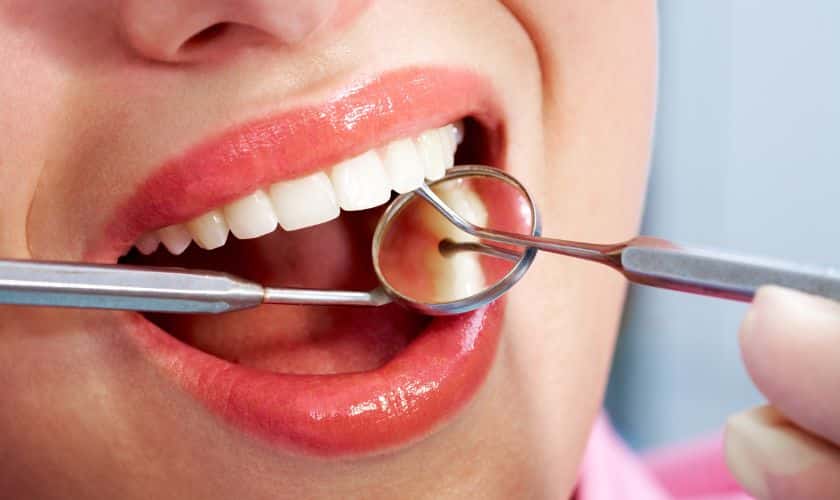
Dental bonding is here to save the day and restore that winning smile. In this article, we’ll delve into the process of dental bonding, explore its benefits, discuss its durability, and provide some aftercare tips to ensure your new look lasts as long as possible. So let’s get started on this journey towards a flawless smile with dental bonding in Cheshire!
The Process of Dental Bonding
The process of dental bonding is a simple and painless procedure that can work wonders for chipped teeth. It begins with a thorough examination by your dentist, who will determine if dental bonding is the right solution for you. Once the decision is made, the actual bonding process can begin.
First, your dentist will roughen the surface of the tooth to be bonded using a special gel or liquid. This helps create an optimal surface for the bonding material to adhere to. Next, a composite resin material in a shade that matches your natural tooth color will be applied to the affected area.
Your dentist will shape and mold the resin to ensure it blends seamlessly with your existing tooth structure. This step requires precision and skill from your dentist to achieve optimal results.
Once shaping and molding are complete, an ultraviolet light or laser will be used to harden and bond the resin securely in place. This ensures durability and longevity for your newly restored tooth.
Any excess material is trimmed away, and final adjustments are made as needed. The result? A beautifully restored smile that looks completely natural!
No wonder dental bonding has become such a popular choice for fixing chipped teeth – it’s quick, effective, and provides instant results without breaking the bank!
Benefits of Dental Bonding for Chipped Teeth
Dental bonding is a versatile and effective cosmetic dental procedure that can work wonders in restoring chipped teeth. Here are some of the benefits of dental bonding:
1. Natural-looking results: One of the biggest advantages of dental bonding is that it provides natural-looking results. The composite resin used in the procedure can be color-matched to your existing teeth, ensuring a seamless blend.
2. Quick and painless: Unlike other more invasive procedures like veneers or crowns, dental bonding is relatively quick and painless. In most cases, it can be completed in just one visit to your dentist’s office.
3. Cost-effective solution: Dental bonding offers an affordable option for fixing chipped teeth compared to other alternatives such as porcelain veneers or dental implants.
4. Preservation of tooth structure: With dental bonding, minimal removal of tooth enamel is required, preserving as much natural tooth structure as possible.
5. Improved self-confidence: Chipped teeth can affect your smile and self-esteem. By repairing the chips with dental bonding, you can regain your confidence and enjoy smiling again without any hesitation.
Dental bonding provides a convenient and cost-effective solution for fixing chipped teeth while delivering natural-looking results that will enhance your smile for years to come!
How Long Does Dental Bonding Last?
If you’re considering dental bonding to fix your chipped teeth, one question that may be on your mind is: how long does dental bonding last? This is a valid concern as you want to ensure that the results of your treatment will be long-lasting.
The lifespan of dental bonding can vary depending on several factors. On average, dental bonding can last anywhere from 3 to 10 years. However, with proper care and maintenance, it’s possible for the results to last even longer.
One factor that can affect the longevity of dental bonding is oral hygiene. It’s important to maintain good oral hygiene habits such as brushing twice a day and flossing regularly. Avoiding foods or habits that may cause damage or staining, such as biting on hard objects or smoking, can also help prolong the life of your bonded teeth.
Another factor to consider is regular visits to your dentist for check-ups and cleanings. Your dentist will be able to assess the condition of your bonded teeth and make any necessary repairs or touch-ups if needed.
While dental bonding is not considered permanent like some other restorative options such as veneers or crowns, it offers a durable solution for chipped teeth with proper care.
Aftercare and Maintenance Tips
Taking proper care of your dental bonding is essential to ensure its longevity and maintain the beautiful results. Here are some aftercare tips to keep in mind:
1. Maintain good oral hygiene: Brush your teeth at least twice a day and floss daily to remove any plaque or food particles that can cause staining.
2. Avoid stain-causing foods and drinks: Certain foods and beverages, such as coffee, tea, red wine, and berries, can stain your dental bonding over time. Limit your consumption of these items or brush your teeth shortly after consuming them.
3. Quit smoking: Smoking not only stains your teeth but also weakens the bond between the resin material and natural tooth enamel. If you smoke, consider quitting for better oral health overall.
4. Wear a mouthguard when necessary: If you participate in contact sports or grind your teeth at night (bruxism), wearing a custom-fitted mouthguard can protect both your natural teeth and bonded areas from damage.
5. Schedule regular dental check-ups: Visiting your dentist every six months allows them to monitor the condition of your dental bonding while providing professional cleanings to remove stubborn stains.
By following these simple aftercare tips, you can extend the lifespan of your dental bonding treatment in Cheshire!