(203) 272-7271
Subtle Tooth Pain? Early Signs That May Lead to Root Canal Treatment in Cheshire


Tooth pain often begins subtly. You might feel slight sensitivity when drinking cold beverages, mild discomfort when chewing, or a dull ache that comes and goes. Since these symptoms can be easy to overlook, many people delay visiting their dentist. However, ignoring early signs of dental issues can lead to infections that, if left untreated, could require more serious intervention.
Recognizing these early warning signs is crucial for preserving your natural teeth. When the inner portion of a tooth becomes infected or inflamed, root canal therapy often becomes necessary to remove the infection and save the tooth.
Residents of Cheshire, where the community values long-term oral health, can count on expert care at local practices such as Advanced Dentistry to identify these early warning signs and treat them before they escalate into serious problems. Often, once the infection is eliminated, a dental crown is recommended to help reinforce and protect the treated tooth, ensuring that it functions properly for years to come.
Why Early Symptoms Should Not Be Ignored
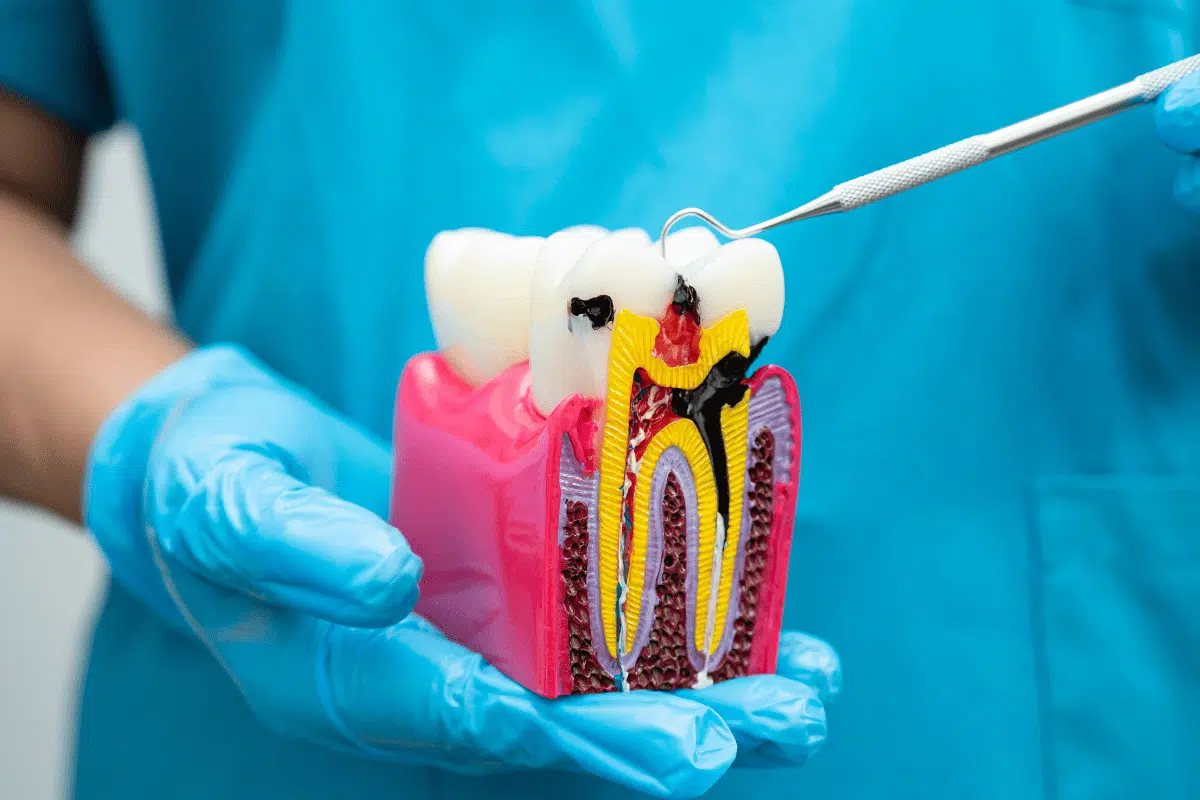
Dental infections typically begin when bacteria enter the inner portion of the tooth, known as the pulp. This area contains nerves and blood vessels that help keep the tooth healthy. When bacteria reach the pulp due to decay, cracks, or trauma, inflammation and infection can develop.
At first, the symptoms may be mild. However, as the infection spreads, pain and swelling often become more severe. Without treatment, the infection may spread to surrounding tissues, potentially leading to abscess formation or tooth loss.
Early dental care allows dentists to remove the infection and preserve the natural tooth structure whenever possible.
Common Early Warning Signs
Here are some of the symptoms you should watch for:
- Persistent Tooth Sensitivity: Sensitivity to hot or cold food and beverages is a common early symptom. If the discomfort lingers long after the stimulus is removed, it could be an indication of inflammation inside the tooth.
- Pain While Chewing: Any discomfort or pressure while biting down may be a sign of inflammation inside the tooth’s tissues. The pain could be either sharp or dull.
- Ongoing Toothache: A continuous toothache that doesn’t subside is a clear indication that something deeper is wrong. The pain may vary from mild to severe.
- Swelling Around the Gums: Infections within the tooth can cause swelling in the surrounding gum tissue. You might notice a pimple-like bump near the affected tooth, which may indicate an abscess.
- Darkening or Discoloration: A tooth that darkens may have experienced trauma or infection, affecting the inner pulp. Over time, the tooth may take on a darker hue.
If you experience any of these symptoms, it’s best to schedule a dental visit as soon as possible to prevent further complications.
What Happens During Root Canal Treatment
RCT is designed to eliminate infection while preserving the natural tooth. Although the procedure often has a reputation for being painful, modern techniques have made it comfortable and highly effective.
The treatment usually begins with a thorough dental examination. X-rays are used to determine the extent of the infection and evaluate the surrounding bone and tissues.
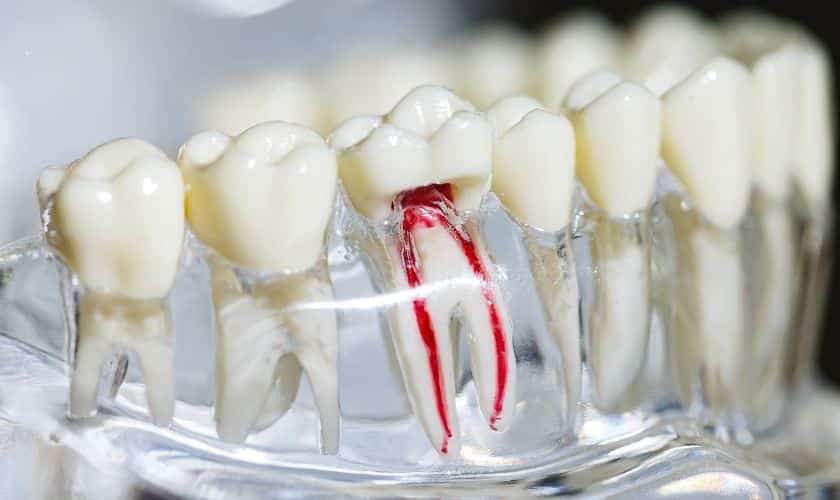
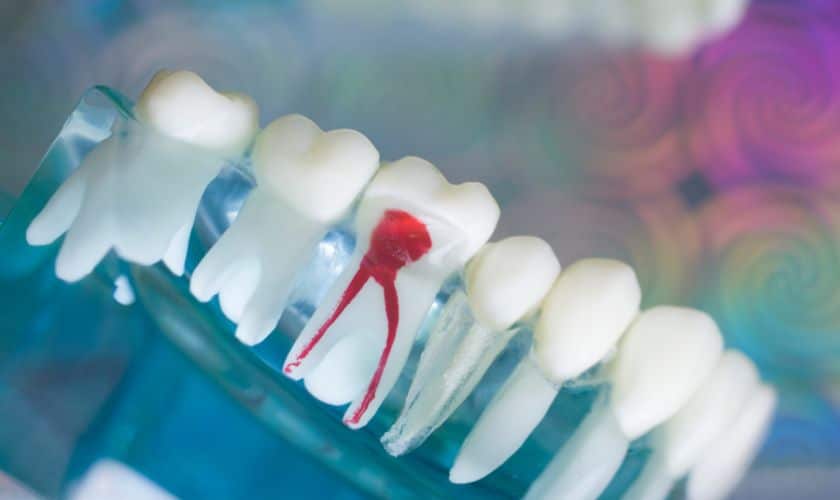
During the procedure, the dentist numbs the area to ensure patient comfort. A miniature opening is then created in the tooth to access the infected pulp. The damaged tissue is carefully removed, and the interior of the tooth is cleaned and disinfected.
Once the canals are thoroughly cleaned, they are filled with a biocompatible material that seals the space and prevents bacteria from reentering.
This process removes the infection and allows the tooth to remain in place rather than requiring extraction.
Why a Dental Crown Is Often Recommended
After root canal treatment, the treated tooth may become more fragile because the inner pulp has been removed. To protect the tooth and restore its strength, dentists often recommend placing a dental crown.
A dental crown in Cheshire acts like a protective cap that covers the entire tooth. It restores the tooth’s shape, strength, and appearance while allowing normal chewing and biting.
Crowns are custom-designed to match the color and contour of surrounding teeth, ensuring that the restored tooth blends naturally with the rest of the smile.
By reinforcing the tooth structure, a crown helps prevent fractures and allows the treated tooth to function normally for many years.
Benefits of Root Canal Therapy and Dental Crowns
Combining root canal treatment with a dental crown offers several long-term advantages for patients.
One of the most significant benefits is pain relief. Removing infected tissue eliminates the source of discomfort and allows the surrounding area to heal.
Another benefit is preserving natural teeth. Instead of extracting the tooth, root canal therapy allows patients to keep their natural tooth structure.
Crowns also provide structural protection, reinforcing the tooth and allowing it to withstand normal chewing forces.
From an aesthetic perspective, crowns restore the natural appearance of the tooth, improving the overall look of the smile.
Together, these treatments help restore comfort, functionality, and confidence.
Who May Need Root Canal Therapy
Patients who experience persistent dental symptoms are often candidates for root canal treatment. This includes individuals with deep cavities, cracked teeth, or dental trauma. Those who have delayed treatment for a cavity or injury may require root canal therapy if bacteria have reached the tooth’s pulp.
A professional evaluation is the best way to determine whether root canal treatment and a dental crown in Cheshire are appropriate for restoring the affected tooth.
Caring for a Tooth After Treatment
Once your root canal and crown placement are completed, maintaining proper oral hygiene is crucial for ensuring the long-term success of the treatment. Brushing twice a day and flossing regularly will help prevent plaque buildup around the restored tooth.
Regular checkups are also important to ensure that your crown and surrounding gums are healthy. Additionally, avoiding extremely hard objects can prevent unnecessary stress on your crown.
With proper care, many crowns and treated teeth can last for years.
Why Cheshire Residents Seek Early Dental Care
Cheshire residents understand the importance of addressing dental issues early. Prompt action helps prevent complications and allows dentists to use less invasive treatments whenever possible. By seeking early care, you can preserve your natural teeth and maintain a healthy, functional smile.
At Advanced Dentistry, we provide personalized evaluations and treatment plans that aim to restore and maintain oral health. Through careful diagnosis and restorative treatments, such as dental crowns, patients can enjoy a strong, healthy smile for years to come.
Take a Step Ahead to Preserve Your Natural Teeth
Minor dental discomfort should never be ignored. Symptoms such as tooth sensitivity, chewing pain, or persistent toothaches may indicate deeper issues that require professional attention.
Recognizing early warning signs allows dentists to treat infections before they spread and helps patients avoid unnecessary tooth loss.
If you notice ongoing dental symptoms, scheduling a consultation with Advanced Dentistry in Cheshire can help identify the problem and determine the best course of treatment. With timely care, root canal therapy and a dental crown can restore both the health and strength of your smile.