(203) 272-7271
When a Crown Falls Out: Should You See a Dentist Immediately?

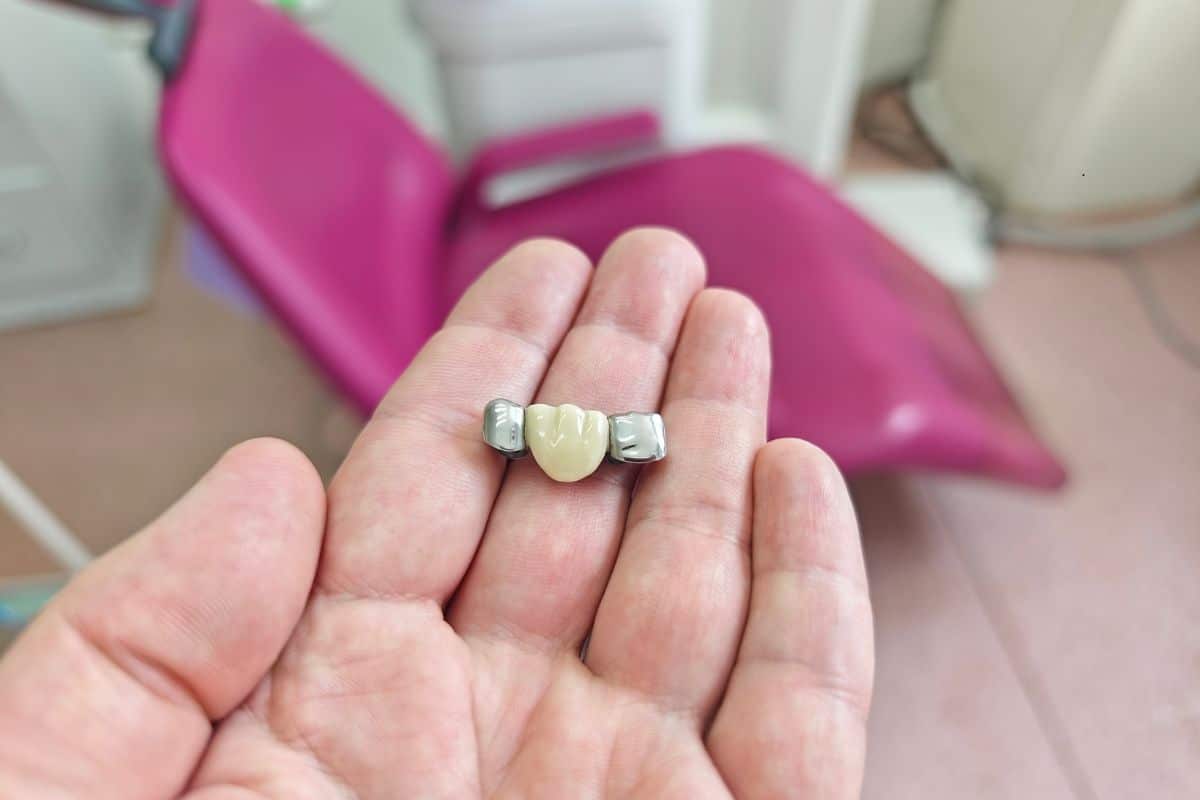
Dental crowns are an essential part of modern dentistry, offering a solution to protect and restore damaged or decayed teeth. Whether due to injury, decay, or wear over time, crowns provide an extra layer of defense and support for your tooth. However, crowns are not invincible, and sometimes they can come loose or even fall out. When this happens, it can be alarming, and knowing how to handle the situation is critical to protect your dental health.
In this blog, we’ll walk you through what to do when a dental crown falls out, when you should visit a dentist, and how to prevent this from happening in the future.
1. Why Do Dental Crowns Fall Out?
A dental crown can become loose or fall out for various reasons. While crowns are designed to be durable, several factors could cause them to lose their stability:
- Wear and Tear: Over time, the cement holding the crown in place may wear down, causing the crown to become loose.
- Tooth Decay: If the tooth underneath the crown begins to decay, it can weaken the bond between the crown and tooth, leading to the crown falling out.
- Injury or Trauma: An accidental blow to the mouth or biting down on something hard can dislodge a crown.
- Poor Fit: In some cases, the crown may not have been fitted properly, increasing the likelihood of it coming loose.
If you’re facing any of these situations and your dental crown has fallen out, it’s important to understand how to respond promptly.
2. What Should You Do When Your Crown Falls Out?
The first thing to remember if your crown falls out is not to panic. While it’s certainly an inconvenience, it’s not uncommon, and there are steps you can take to protect your tooth while you wait to see a dentist.
- Save the Crown: If the crown is intact and undamaged, carefully retrieve it and store it in a clean container. Your dentist might be able to re-cement the crown back in place if it’s still in good condition.
- Inspect Your Tooth: After the crown falls out, examine the tooth. If you notice sharp edges or experience pain, this could indicate that the tooth structure has been compromised. Be gentle with the area to avoid further damage.
- Clean the Area: Rinse your mouth with warm salt water to keep the area clean and free of bacteria. This can help reduce the risk of infection while you’re waiting for a dental appointment.
- Temporary Fixes: If you can’t see the dentist right away, you can use dental cement (available at most drugstores) as a temporary solution. This will protect the exposed tooth until you can get professional care.
3. Should You See a Dentist Immediately?
Yes, seeing a dentist promptly is crucial. When a crown falls out, the tooth underneath is exposed and vulnerable. Without the protection of the crown, the tooth could become damaged further, or bacteria may enter the area, leading to decay or infection.
It’s essential to contact your dentist in Cheshire CT as soon as possible to schedule an appointment. Delaying treatment could result in more extensive dental work being needed in the future. The sooner you get professional help, the better the chances of avoiding complications.
However, the urgency may depend on the condition of your tooth:
- If you feel pain or sensitivity: This is a sign that the nerve of the tooth may be exposed, and immediate care is required.
- If the crown is intact and there’s no pain: You may not need emergency dental care, but it’s still important to get the crown re-cemented or replaced within a few days to protect the tooth.
4. What Can Your Dentist Do?
When you visit the dentist, they will assess the tooth and the crown to determine the best course of action. If the crown is still in good condition, your dentist may be able to clean it and reattach it with new dental cement.
In some cases, however, the tooth may have sustained damage, or the crown itself could be damaged beyond repair. If this is the case, your dentist will create a new crown to fit your tooth. This process usually involves taking an impression of the tooth and sending it to a lab where the crown will be fabricated.
In situations where the underlying tooth is decayed or weakened, your dentist may need to perform additional treatments, such as filling the tooth or even performing a root canal before placing a new crown.
5. How to Prevent Crowns from Falling Out
While dental crowns are designed to be long-lasting, taking good care of them is essential to avoid future issues. Here are some tips to ensure your crown stays securely in place for years to come:
- Maintain Good Oral Hygiene: Brushing twice a day and flossing daily is critical to prevent decay around the crowned tooth.
- Avoid Hard or Sticky Foods: Chewing on hard foods like ice or sticky foods like caramels can weaken the crown’s bond or even damage it.
- Regular Dental Check-ups: Seeing your dentist in Cheshire CT for routine check-ups ensures your crown is in good shape and allows your dentist to address any small issues before they turn into bigger problems.
- Address Grinding or Clenching: If you grind your teeth at night, using a night guard can protect your crown and other teeth from wear and tear.
6. Can You Avoid Crown Replacement?
Even with the best care, dental crowns won’t last forever. Over time, crowns will wear down and may eventually need to be replaced. The average lifespan of a dental crown is between 5 to 15 years, depending on the material used and how well you care for it.
However, maintaining proper oral hygiene and following your dentist’s advice can extend the life of your crown. If you find that your crown has fallen out multiple times, it’s possible that a new crown is needed, or additional dental work may be required to strengthen the underlying tooth.
Final Thoughts
When a dental crown falls out, it’s important to act quickly to protect your tooth and prevent further damage. By understanding the steps to take when this happens and scheduling an appointment with your dentist promptly, you can avoid complications and restore your crown with minimal hassle.
If you need dental crown care in Cheshire, the team at Advanced Dentistry is here to help. Whether you need a crown reattached or a new one created, we offer comprehensive dental care to ensure your teeth stay healthy and strong.