(203) 272-7271

The Benefits Of Root Canal Treatment: A Comprehensive Guide


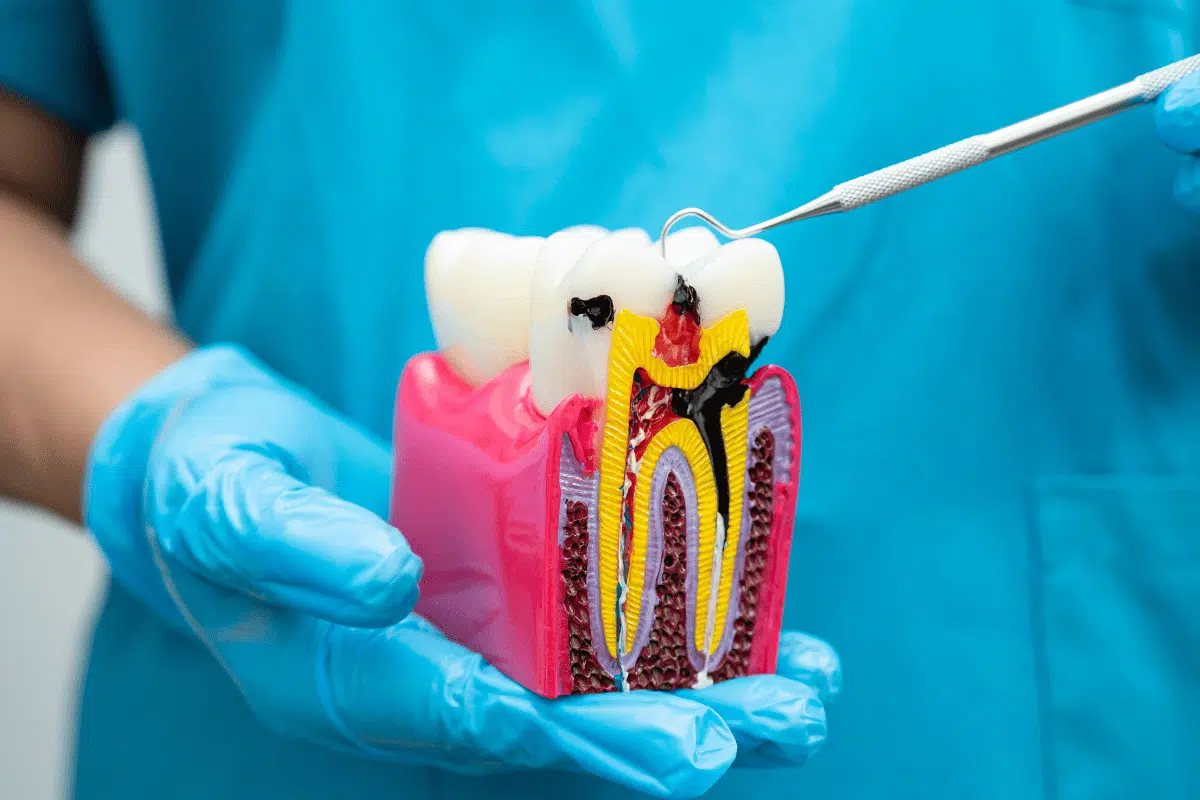
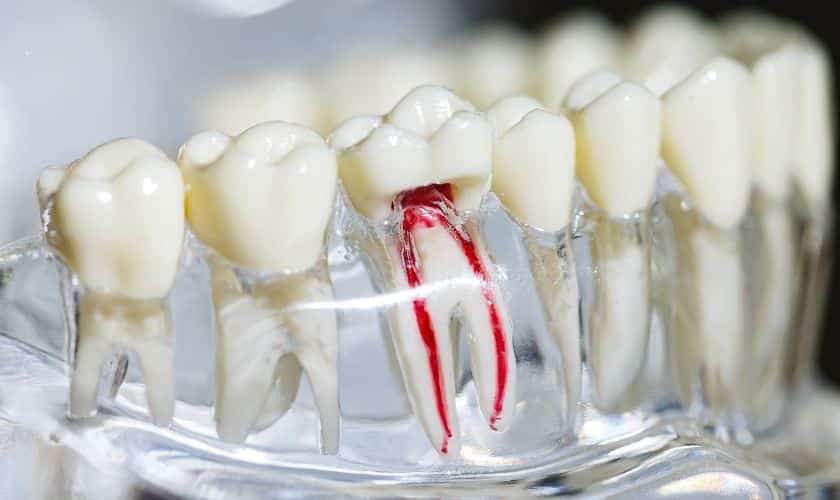
Root canal treatment, or endodontic therapy, is a dental procedure designed to remove infected or damaged pulp from a tooth, relieving pain, preventing further decay, and preserving the natural tooth structure. This comprehensive blog will discuss root canal treatment and its numerous benefits. Let us understand the purpose and significance of this procedure. We’ll discuss the role of the pulp, which contains nerves and blood vessels. When this pulp becomes infected due to deep decay or trauma, a root canal becomes necessary to remove the infection, prevent further damage, and preserve the tooth. Furthermore, we will understand the advantages of root canal treatment. It relieves dental pain, saves your natural tooth, maintains oral function, and restores your smile’s aesthetics.
What Is Root Canal Treatment
Root canal treatment, or endodontic therapy, is a dental procedure to restore a severely damaged or infected tooth. It involves removing the pulp from the soft inner part of the tooth containing nerves and blood vessels that have become inflamed or infected due to deep decay, cracks, or trauma. The procedure starts with your dentist numbing the area around the affected tooth using local anesthesia. Once you’re comfortable, they will create a small opening in the top of your tooth to access its pulp chamber and root canals. Using specialized tools, they carefully clean out all infections inside these channels. This step is crucial in preventing the further spread of infection and alleviating any associated pain. After thorough cleaning, your dentist will shape and disinfect the canals before filling them with a biocompatible gutta-percha material. This rubber-like substance seals off the canals effectively. This strengthens and reinforces its structure while preserving functionality and aesthetics. While root canal treatment may sound daunting, advancements in dental technology have made it relatively painless and highly successful.
Procedures For Getting Root Canal Done
Root canal treatment is a relatively simple and painless procedure that can help save your natural tooth from extraction. The process typically involves several steps by an experienced dentist or endodontist. First, the dentist will examine your tooth and take X-rays to determine the extent of the damage and whether a root canal is necessary. If it is, you’ll be given local anesthesia to numb the area around the tooth, ensuring a comfortable experience throughout the procedure. Next, the dentist will create a small access hole in your tooth to reach the infected pulp chamber. They will carefully remove diseased tissue using specialized instruments and clean out all bacteria within the root canals. Once this step is complete, it’s time for filling and sealing. The space left after removing the infected pulp is filled with a rubber-like material called gutta-percha. This material helps ensure that no further infection can occur. Depending on your specific case, you may need additional dental work, such as placing a crown over the treated tooth to provide strength and protection. It’s important to note that while some discomfort may be experienced during recovery following root canal treatment, such as sensitivity or mild soreness – these symptoms are temporary and can be managed with over-the-counter pain medication if needed. Undergoing a root canal allows you to preserve your natural teeth and maintain proper oral function without compromising aesthetics. It’s always best to consult your dentist, who can guide you through each step of this beneficial procedure.
Tips For Maintaining Oral Health After A Root Canal
After a root canal treatment, properly caring for your oral health is essential to ensure long-lasting results. Here are some tips to maintain optimal oral hygiene post-treatment. First and foremost, it’s crucial to continue practicing good oral hygiene habits, such as brushing your teeth twice a day with fluoride toothpaste and replacing your toothbrush every three months. This will help remove food particles or plaque accumulating around the treated area. It’s also important to be mindful of what you eat and drink. Avoid sticky or hard foods that damage the restored tooth or irritate the surrounding tissues. Opt for softer soups, yogurt, and mashed vegetables during the initial days after the procedure. Regular dental check-ups are integral to maintaining oral health after a root canal. Your dentist will monitor the progress of healing and address any concerns promptly. They may also recommend routine cleanings to protect teeth from bacteria and plaque build-up. If you experience discomfort or notice unusual changes in your mouth following a root canal treatment, don’t hesitate to contact your dentist immediately. Early intervention can prevent further complications and ensure successful outcomes in the long run.
Benefits Of Root Canal Treatment
Root canal treatment may sound daunting, but it can benefit oral health. One of the main advantages is that it helps to save your natural tooth. When you undergo a root canal, the infected pulp inside your tooth is removed and replaced with a filling material. This prevents further decay and infection, preserving the structure of your tooth. Another benefit of root canal treatment is pain relief. If you have been experiencing severe dental pain due to an infected or abscessed tooth, a root canal can provide much-needed relief by removing the source of the pain. You also maintain proper chewing function and bite alignment by saving your natural tooth through root canal treatment. Losing a tooth can cause surrounding teeth to shift, leading to bite problems and potential jaw issues in the long run. Furthermore, getting a root canal can help prevent future infections from spreading to other areas of your mouth or even throughout your body. Untreated dental infections can lead to serious complications such as abscesses or systemic infections. In addition to these benefits, root canal treatment can improve oral hygiene by eliminating bacteria-filled pulp that could be causing bad breath or contributing to gum disease. While root canal treatment may seem intimidating initially, its benefits outweigh any temporary discomfort. By saving your natural tooth and alleviating pain, this dental intervention promotes optimal oral health and well-being in the long run.
Root canal treatment is a highly beneficial dental procedure that can save your natural tooth and alleviate pain caused by infected or damaged pulp. It involves removing the infected tissue, cleaning and disinfecting the root canals, and sealing them to prevent further infection. The procedures of getting a root canal may sound intimidating, but with advancements in technology and anesthesia techniques, it has become a relatively comfortable experience for patients. The recovery period is usually quick, and most people can resume their normal activities soon after the treatment. After undergoing a root canal, it is important to maintain good oral hygiene practices to ensure long-term success. Brushing twice daily with fluoride toothpaste, flossing daily, and scheduling regular dental check-ups are essential for keeping your teeth healthy. The benefits of root canal treatment cannot be overstated. Additionally, preserving your natural tooth helps maintain the overall structure of your jawbone. Root canal treatment relieves pain and improves oral health by eliminating infection deep within the tooth.