(203) 272-7271
Will A Dentist Remove An Infected Tooth During Your First Visit?
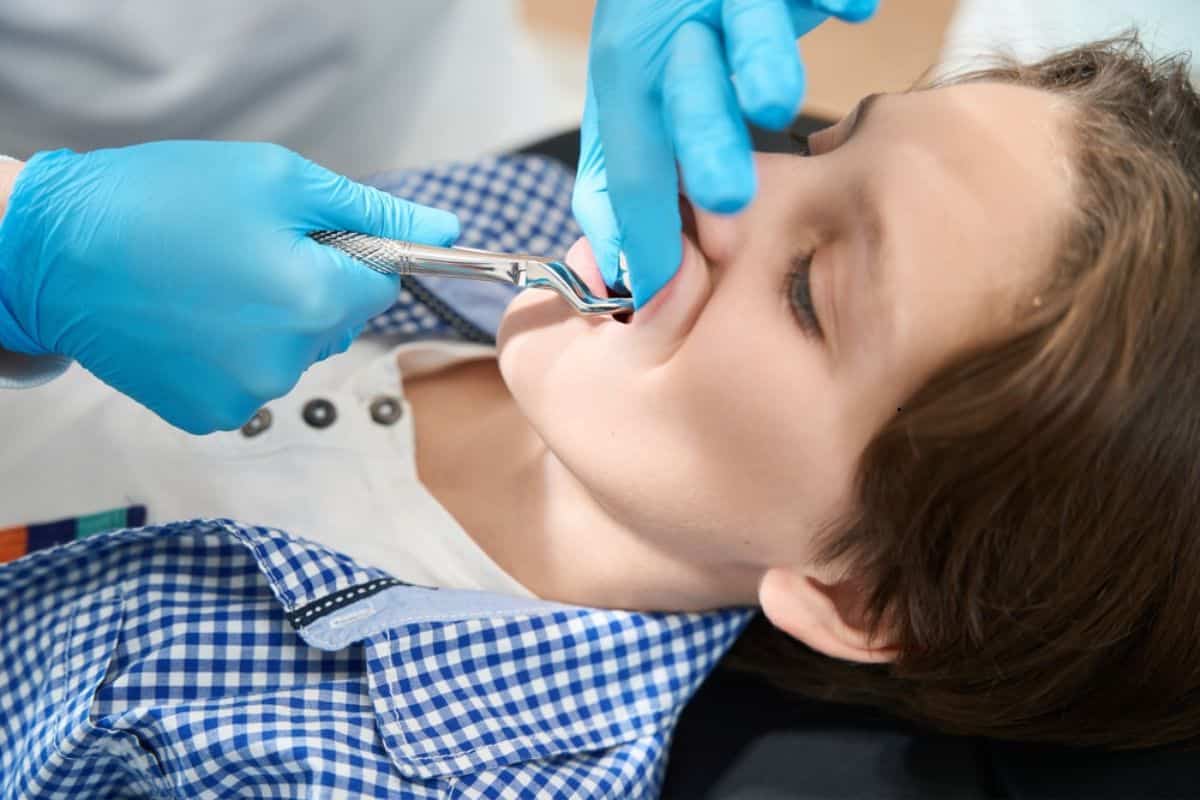
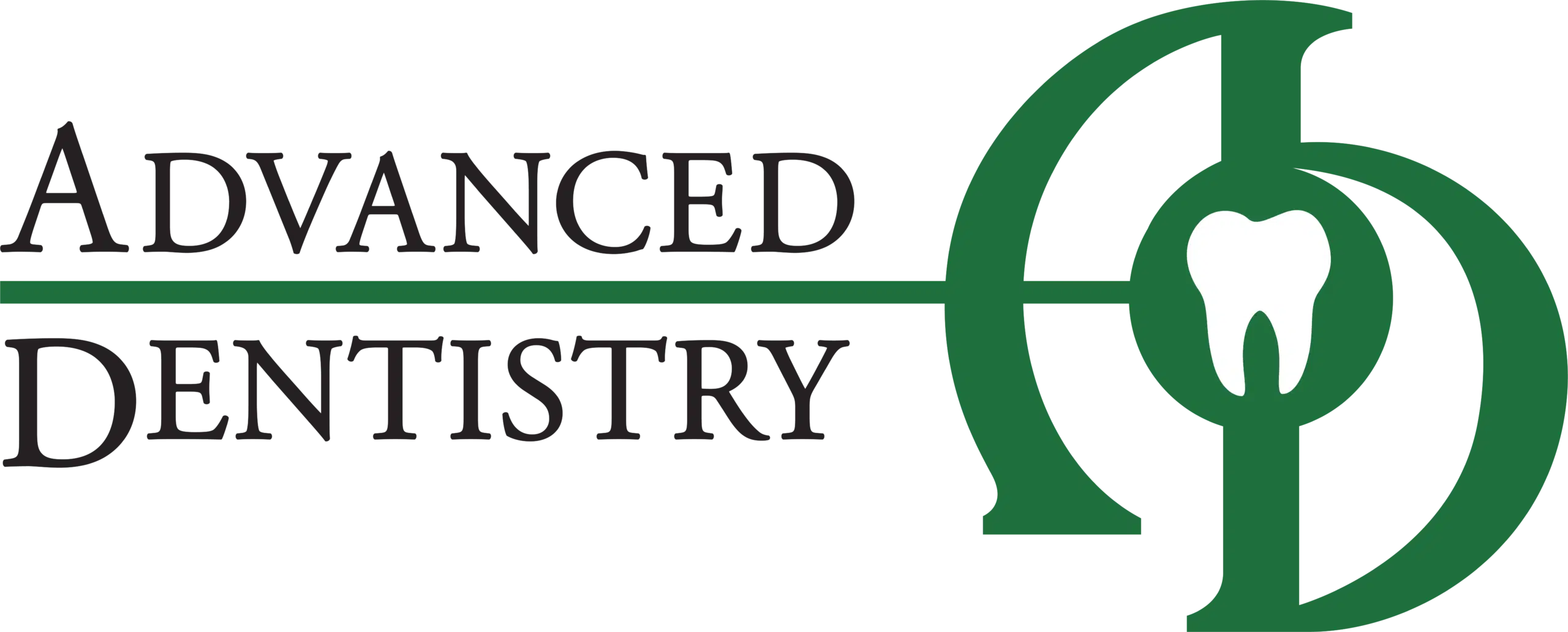
An infected tooth can be unbearable. The constant throbbing, sensitivity, and swelling make even the simplest tasks difficult. Eating, drinking, or even sleeping becomes a challenge. When you finally decide to seek help, the biggest concern is whether it will be removed permanently. The last thing you want is to leave an appointment still in pain. If you are visiting a dentist in Cheshire, CT, and wondering whether your infected tooth will be extracted on the first visit, there are a few essential things to consider. Understanding what happens in such situations can help you prepare and know what to expect.
Factors That Determine Immediate Tooth Removal
Not every infected tooth needs to be removed. Several factors influence whether removal is possible right away:
- Severity Of Infection
Extraction may be unsafe if the infection has spread too far. Swelling can make the process difficult, requiring antibiotics first.
- Overall Health Condition
Certain health conditions, such as diabetes or heart issues, might delay removal to prevent complications.
- Location And Complexity
A straightforward extraction can be done quickly, but additional procedures may be needed if the tooth is deeply embedded.
- Swelling And Abscesses
If there is excessive swelling, draining the infection before pulling out becomes an option.
- Medication Requirements
If you need antibiotics or pain management before removal, a dental care provider may schedule another appointment later.
What Happens During Your First Appointment?
When you arrive at the dental clinic, the provider will first assess your situation. Expect the following steps:
- Evaluation And X-Rays
A thorough check-up is performed to determine the extent of the infection. This helps to understand if pulling out a tooth or teeth is needed.
- Discussion Of Treatment Options
Patients are well-informed about what will happen to their teeth. Depending on their oral health, the best option is chosen to aid in restoring regular dental function.
- Pain Management Plan
If extraction is delayed, you may receive antibiotics or other pain relief options.
- Scheduling For Removal
A follow-up will be arranged to complete the procedure if the tooth cannot be pulled out immediately.
A Cheshire dentist ensures that you get the appropriate treatment for your situation. If extraction is not something that can be done on the initial visit, your pain will still be addressed, and your infection will be brought under control.
Why Is Immediate Extraction Not Always The Best Option For Your Oral Health?
It is obvious to opt for a tooth extraction when the pain becomes unbearable, but having it taken out is not always the best idea. If the infection has progressed, trying to extract it too early can cause more problems.
Dentists initially treat the area around the tooth with antibiotics or other medications. Treating swelling and pain prior to extraction makes the process smoother and safer.
Ultimately, a dentist in Cheshire, CT, aims to offer long-term relief, not a temporary solution that will result in further discomfort.
What To Do If Extraction Is Delayed
Since uprooting a tooth is not always an option, dental professionals recommend following these tips to relieve discomfort:
- Take prescribed antibiotics as directed to manage the infection.
- Apply pain relief measures, such as medication or cold packs.
- Avoid food and beverages that initiate pain, such as hot or cold foods.
- Adhere to all aftercare advice to prepare for the upcoming procedure.
Treating an infected tooth is overwhelming, but relief is within reach. If you are looking for help, understanding what to anticipate can alleviate your worries.
The objective is always to offer safe, effective treatment and alleviate discomfort.
Whether your tooth is removed at the first visit or further procedures are required, you will receive the treatment necessary to return to normal. The best next move is to reach out to us at Advanced Dentistry, get evaluated, and keep your oral health on point.