(203) 272-7271
Bad Teeth? Here’s How a Dentist Can Help Fix Them

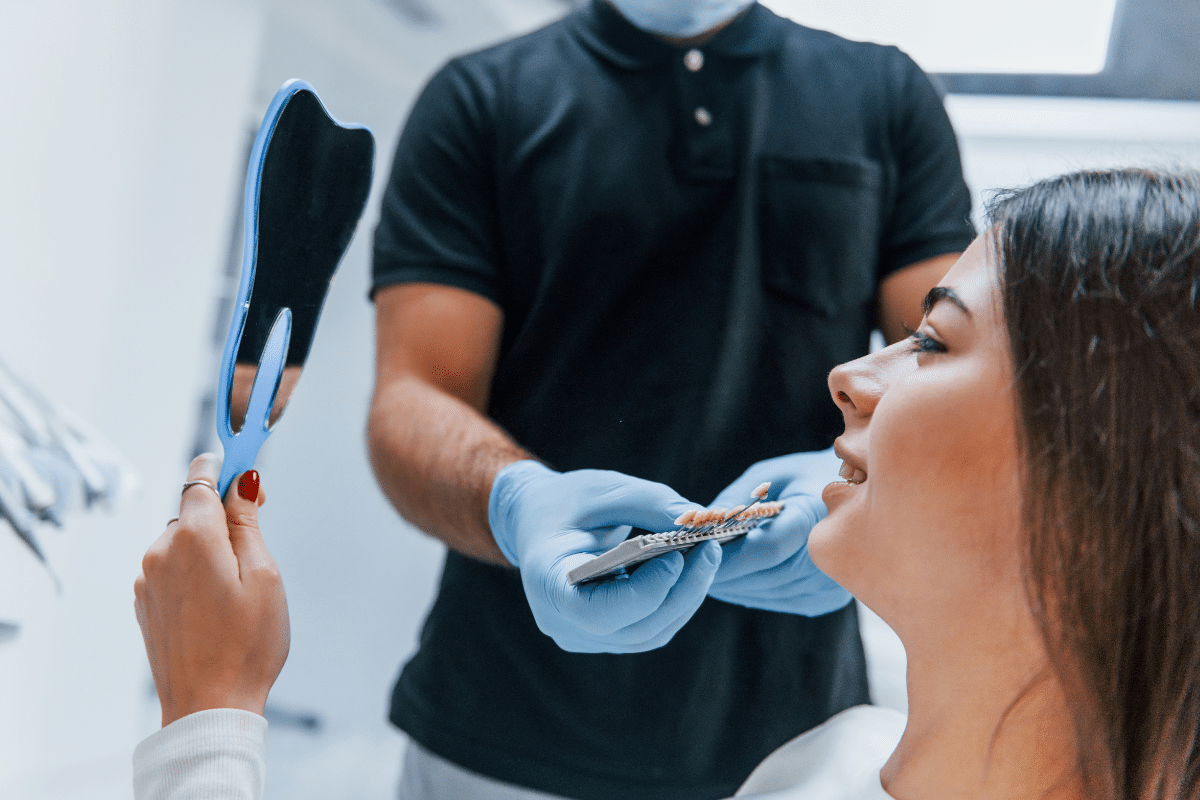
Living with severely damaged or decayed teeth can impact more than just your oral health—it can affect how you eat, speak, and feel about your appearance. Many people delay treatment out of fear, embarrassment, or the belief that their teeth are beyond repair. The good news is that modern dentistry offers a wide range of solutions for even the most complex dental problems.
At Advanced Dentistry in Cheshire, CT, we understand that every smile has a story. Whether you’re dealing with years of dental neglect or unexpected dental trauma, a skilled Cheshire dentist can help rebuild your confidence and restore your oral health.
Understanding the Causes of Bad Teeth
The term “bad teeth” can refer to a variety of issues, including:
- Severe tooth decay
- Broken or chipped teeth
- Gum disease and loose teeth
- Stains or discoloration
- Missing teeth
- Worn-down enamel from grinding
Many of these conditions result from a combination of factors, such as genetics, lack of dental care, dietary habits, or underlying health conditions. Whatever the reason, a thorough evaluation from a dentist in Cheshire is the first step toward a healthier mouth.
How a Dentist Can Help Fix Damaged Teeth
No matter how advanced the problem seems, there’s often a path forward. Here are some of the most effective dental treatments used to repair and restore damaged teeth:
1. Dental Fillings and Bonding
For minor to moderate decay or small chips, tooth-colored fillings or bonding materials can restore structure and appearance. These treatments are quick, effective, and preserve most of the natural tooth.
2. Root Canal Therapy
If decay has reached the inner pulp of the tooth, a root canal can remove infection and save the natural tooth. It’s a common and reliable treatment that helps prevent extractions and further damage.
3. Dental Crowns
Teeth that are cracked, worn down, or weakened may require crowns. These caps cover the entire visible part of the tooth, restoring its strength and shape while blending in with your natural smile.
4. Gum Disease Treatment
When bad teeth are a result of gum disease, treatment often starts with deep cleanings to remove plaque and bacteria. In more severe cases, surgical procedures may be necessary to restore gum and bone health.
5. Dental Implants and Bridges
For missing or unsalvageable teeth, dental implants offer a long-term solution. They replace both the root and crown, making them a stable and natural-looking option. Fixed bridges are another alternative when implants are not suitable.
6. Full Mouth Rehabilitation
In complex cases where multiple teeth are damaged or missing, a comprehensive approach may be needed. Full mouth rehabilitation combines several procedures to restore both function and aesthetics.
What to Expect During Your First Visit
Fixing damaged teeth starts with a clear and compassionate diagnosis. During your first appointment at Advanced Dentistry, your Cheshire dentist will:
- Conduct a detailed oral exam
- Take necessary X-rays or imaging
- Discuss your dental concerns and goals
- Create a personalized treatment plan that works with your health and budget
The goal is to provide a roadmap toward a healthier mouth—no judgment, just support and professional care.
Conclusion
Having teeth in poor condition doesn’t mean your smile is beyond help. With the right approach and expert care, even severely damaged teeth can be treated, restored, and preserved. Whether it’s one tooth or a full mouth, modern dentistry has the tools to help you regain comfort and confidence.
If you’re struggling with damaged teeth or unsure where to begin, now is the time to take the first step. Schedule a consultation with a trusted dentist in Cheshire at Advanced Dentistry. Together, you’ll explore treatment options that fit your needs and put you on the path to a stronger, healthier smile.