(203) 272-7271
How Long Do Dental Veneers Last? Longevity & Maintenance Tips


If you’re considering dental veneers in Cheshire, you’re likely looking for a long-lasting solution to improve your smile. Veneers can be a transformative option for people with chipped, stained, or uneven teeth—but like any investment in your oral health, you’ll want to know how long they last and how to take care of them. Let’s dive into how durable veneers really are and what you can do to extend their lifespan.
What Are Dental Veneers?
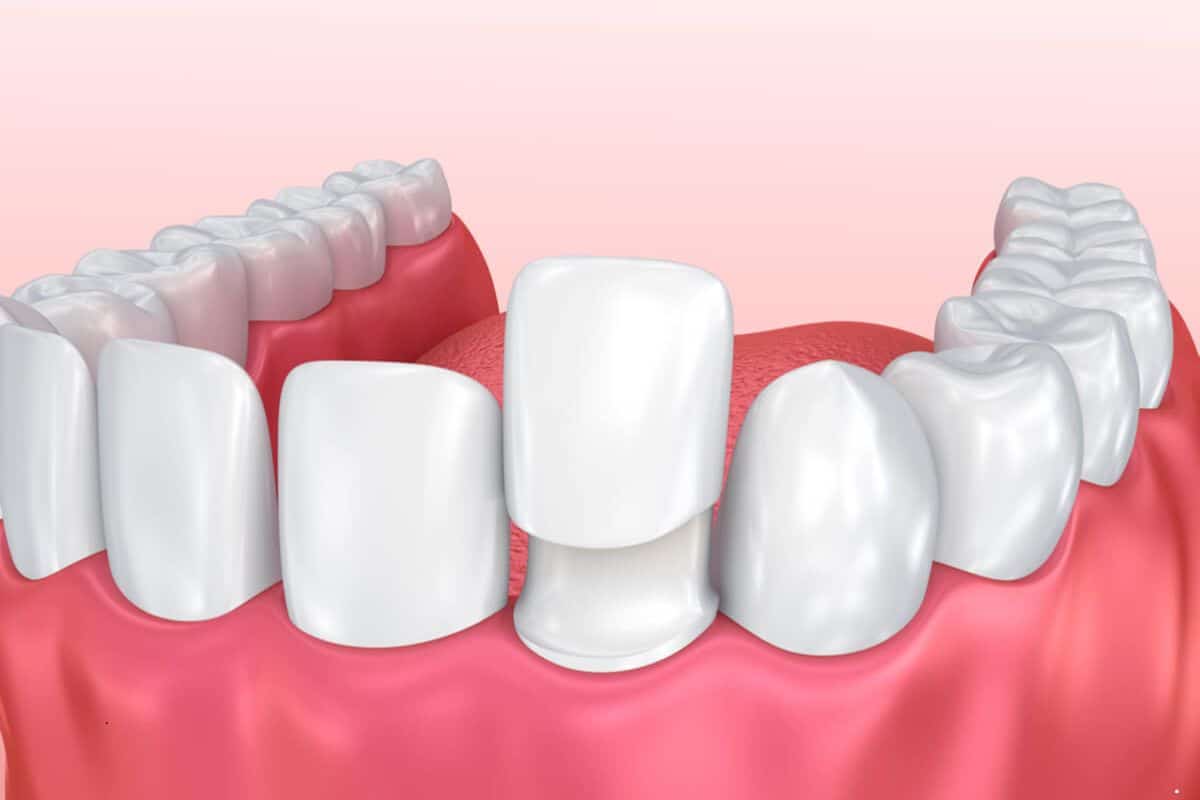
Dental veneers are thin, custom-made shells that cover the front surface of your teeth. They’re often made of porcelain or composite resin and are designed to look just like natural teeth. Veneers are used to improve the appearance of your smile by covering imperfections such as discoloration, small gaps, and misshapen teeth.
Though they are primarily cosmetic, they also offer some protective qualities for damaged enamel and mild wear.
Average Lifespan of Dental Veneers
With proper care, porcelain veneers can last anywhere from 10 to 15 years, while composite veneers typically last 5 to 7 years. The difference in durability comes down to the materials used—porcelain is stronger and more stain-resistant, making it the preferred option for many patients seeking longevity.
That said, no matter which type you choose, your daily habits and oral hygiene routine will play a major role in how long your veneers hold up.
What Affects the Lifespan of Veneers?
Several factors determine how long your veneers will last, including:
- Oral hygiene habits: Brushing and flossing regularly helps prevent decay around the veneers.
- Diet: Hard foods or chewing on ice can damage or loosen the veneers.
- Teeth grinding: Also known as bruxism, this habit can wear down your veneers prematurely.
- Dental visits: Regular checkups help identify issues early and keep your veneers in good condition.
- Type of veneer: Porcelain tends to last longer than composite alternatives.
If you’re working with a qualified dentist in Cheshire CT, you’ll receive guidance on which material is best for your needs and lifestyle.
Tips to Make Your Veneers Last Longer
To get the most out of your dental veneers Cheshire patients should follow these care guidelines:
- Use a soft-bristled toothbrush and non-abrasive toothpaste.
- Avoid using teeth as tools, such as for opening bottles or packages.
- Limit foods and drinks that cause stains, like coffee, red wine, and soda.
- Wear a mouthguard at night if you grind your teeth.
- Keep up with dental cleanings every six months for professional maintenance.
Even though veneers are durable, they are not indestructible. Treat them with care to get the most years out of them.
When Should Veneers Be Replaced?
Signs that your veneers may need replacement include:
- Chips or cracks
- Discoloration that doesn’t respond to cleaning
- Separation between the veneer and your gum line
- Changes in fit or discomfort
If you notice any of these issues, consult your local dentist in Cheshire CT to discuss your options. Early attention can prevent further complications and preserve your smile.
Conclusion
Dental veneers are a reliable and long-lasting option for enhancing your smile—especially when you know what to expect in terms of care and durability. Whether you’ve just had them placed or you’re thinking about getting them, understanding the lifespan and maintenance involved can help you make a smart, confident decision.