(203) 272-7271
Exploring Dental Veneers: Your Solution for a Perfect Smile


Dental veneers have become a popular option for those looking to enhance their smiles. These thin shells are designed to cover the front surface of teeth, providing a bright and uniform appearance. If you are considering dental veneers, understanding what they are, how they work, and what to expect during the process can help you make an informed decision.
What Are Dental Veneers?
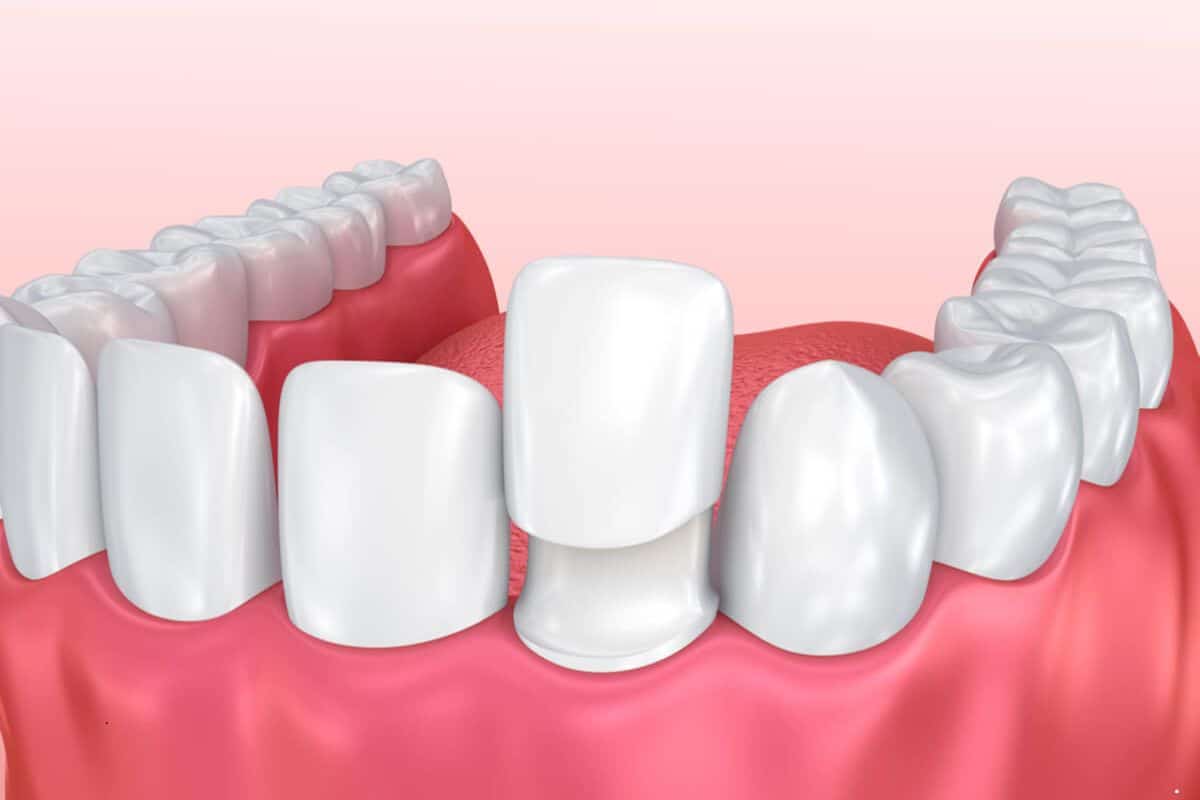
Dental veneers are thin, custom-made shells made from materials such as porcelain or composite resin. They are designed to cover the front surface of your teeth to improve their appearance. Veneers can change the color, shape, size, or length of your teeth, making them an effective solution for various cosmetic dental issues.
Types of Dental Veneers
- Porcelain Veneers: These are made from high-quality ceramic material that closely resembles natural tooth enamel. Porcelain veneers are stain-resistant and provide a very natural look. They are usually more durable than composite veneers and can last longer with proper care.
- Composite Veneers: Made from a tooth-colored resin material, composite veneers can be applied directly to the teeth or created in a lab and bonded to the tooth surface. They are often more affordable than porcelain veneers but may not last as long or resist stains as effectively.
Benefits of Dental Veneers
Choosing dental veneers offers several benefits that can enhance both your smile and your confidence. Here are some key advantages:
1. Improved Appearance
Veneers can address a range of cosmetic issues, including:
- Stained or discolored teeth
- Chipped or cracked teeth
- Gaps between teeth
- Misshapen or uneven teeth
With dental veneers, you can achieve a bright, even smile that enhances your overall appearance.
2. Minimally Invasive Procedure
The process of getting dental veneers is generally less invasive than other cosmetic treatments. In most cases, only a small amount of enamel needs to be removed from the tooth surface to accommodate the veneer. This makes the procedure more comfortable and requires less recovery time.
3. Durability
Porcelain veneers are known for their strength and durability. With proper care, they can last 10 to 15 years or even longer. This longevity makes them a worthwhile investment for many people looking to improve their smile.
4. Stain Resistance
Porcelain veneers are highly resistant to staining. This means that you can enjoy foods and drinks that might otherwise stain your natural teeth without worrying about discoloration.
The Process of Getting Dental Veneers
If you’re considering dental veneers, it’s essential to know what to expect during the process. Here’s a step-by-step overview:
1. Initial Consultation
The first step is to schedule a consultation with a dentist who specializes in cosmetic dentistry. During this appointment, your dentist will evaluate your teeth and discuss your goals for treatment. They may take X-rays or impressions of your teeth to help plan your veneers.
2. Creating a Custom Treatment Plan
Once your dentist has a clear understanding of your needs, they will create a custom treatment plan. This plan will outline the number of veneers needed and the specific changes to be made to your smile.
3. Preparing Your Teeth
To prepare your teeth for veneers, your dentist will remove a small amount of enamel from the surface. This step is necessary to ensure that the veneers fit properly and look natural. Your dentist will also take impressions of your teeth to create your custom veneers.
4. Fabrication of Veneers
After your teeth are prepared, the impressions will be sent to a dental lab, where your veneers will be crafted. This process usually takes a week or two. During this time, your dentist may provide temporary veneers to protect your teeth.
5. Bonding the Veneers
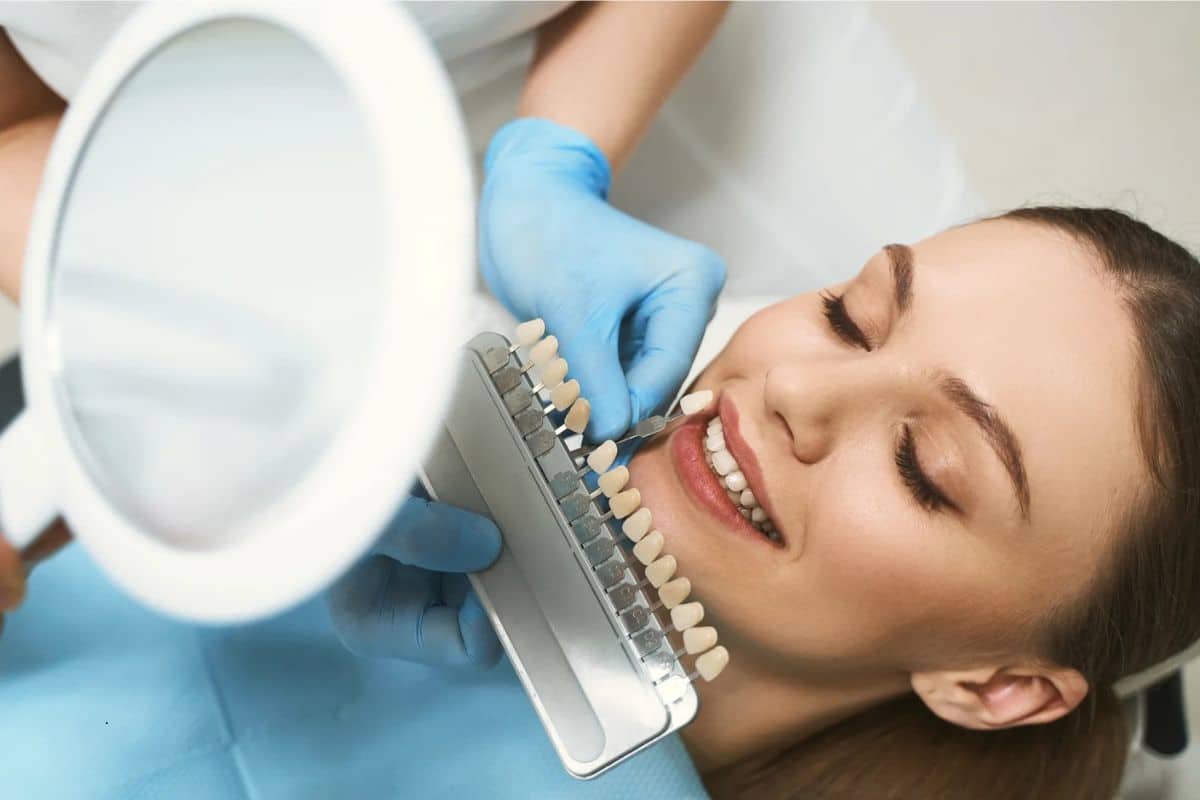
Once your custom veneers are ready, you will return to the dentist for the final placement. The dentist will ensure that the veneers fit properly and match the color of your natural teeth. Once satisfied, they will bond the veneers to your teeth using a special adhesive.
6. Follow-Up Care
After your veneers are placed, your dentist will provide care instructions. It’s essential to maintain good oral hygiene by brushing and flossing regularly. Regular dental check-ups will also help ensure that your veneers and overall dental health remain in good condition.
Caring for Your Dental Veneers
Taking care of your dental veneers is essential for maintaining their appearance and longevity. Here are some tips for proper care:
1. Maintain Good Oral Hygiene
Brush your teeth at least twice a day and floss daily to keep your gums and teeth healthy. This routine will help prevent decay and gum disease, which can affect the longevity of your veneers.
2. Avoid Hard Foods
While dental veneers are durable, it’s best to avoid biting down on hard foods or objects, as this can chip or damage them. Stick to softer foods when possible and use caution with hard snacks.
3. Limit Staining Foods and Beverages
Although porcelain veneers are stain-resistant, it’s a good idea to limit your consumption of foods and drinks that can cause staining, such as coffee, tea, red wine, and berries. If you do indulge, make sure to brush your teeth afterward.
4. Regular Dental Check-Ups
Schedule regular dental visits for check-ups and professional cleanings. Your dentist can monitor the condition of your veneers and address any concerns before they become significant issues.
Are Dental Veneers Right for You?
Dental veneers can be an excellent solution for many individuals looking to enhance their smiles. However, they may not be suitable for everyone. It’s essential to consult with a qualified dentist to determine if veneers are the right choice for your dental needs. Some factors to consider include:
- Oral Health: If you have underlying dental issues, such as cavities or gum disease, these should be addressed before getting veneers.
- Teeth Grinding: If you grind your teeth, this can put extra pressure on veneers and lead to damage. In such cases, your dentist may recommend other treatments or a protective mouthguard.
- Desired Results: Be clear about your goals for treatment and discuss these with your dentist. They can help you understand what’s achievable with veneers and suggest alternatives if necessary.
Conclusion
Dental veneers offer a versatile solution for individuals seeking to enhance their smiles. With their ability to improve the appearance of stained, chipped, or uneven teeth, veneers can provide a significant boost in confidence. If you are considering dental veneers in Cheshire, consult with an experienced dentist to discuss your options and develop a personalized treatment plan. With proper care, your dental veneers can help you enjoy a beautiful smile for years to come.