(203) 272-7271
Why Dental Implants Could Be the Best Choice for Restoring Your Smile
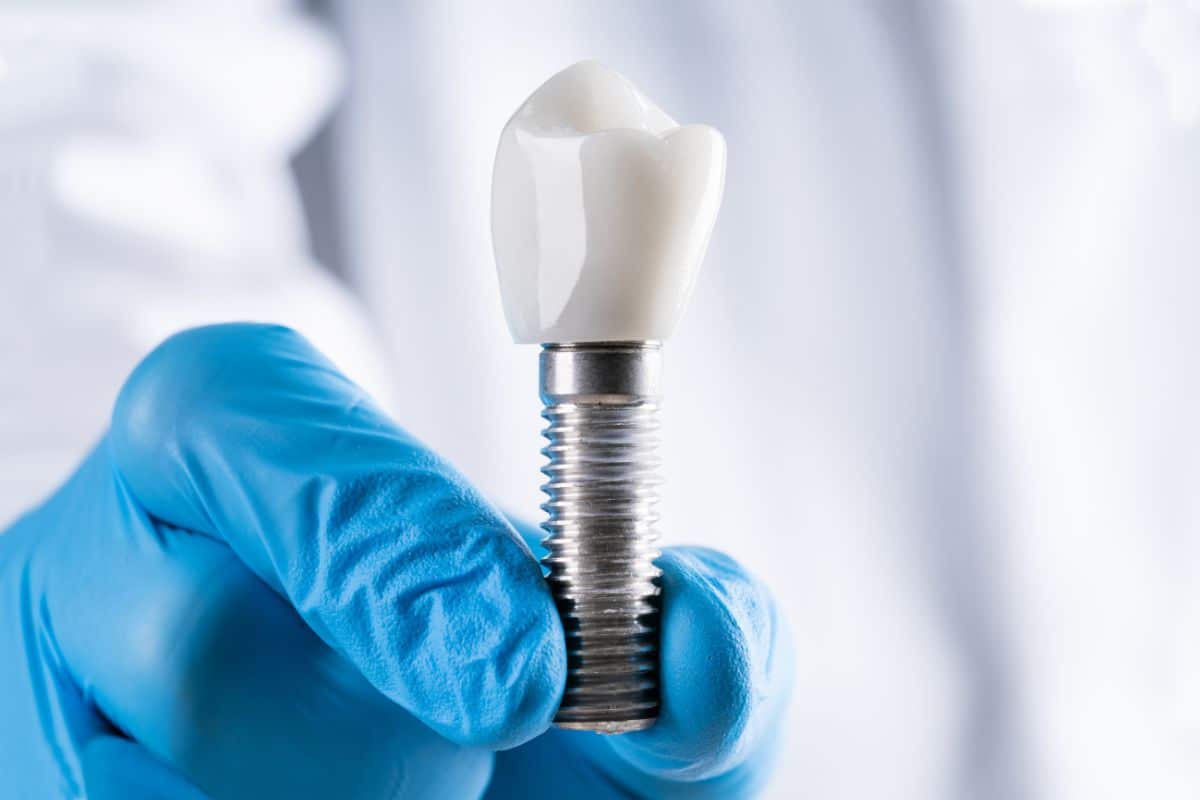
Missing teeth can be a significant concern for many, affecting not only the appearance of your smile but also your overall dental health. Fortunately, there are various ways to replace missing teeth, and one of the most popular solutions is dental implants. In this blog, we’ll explore why dental implants might be the best choice for restoring your smile, and how they compare to other treatment options.
Benefits of Dental Implants
Choosing dental implants in Cheshire offers numerous advantages over other dental restoration options. Let’s take a look at some of these benefits:
1. Natural Appearance and Comfort
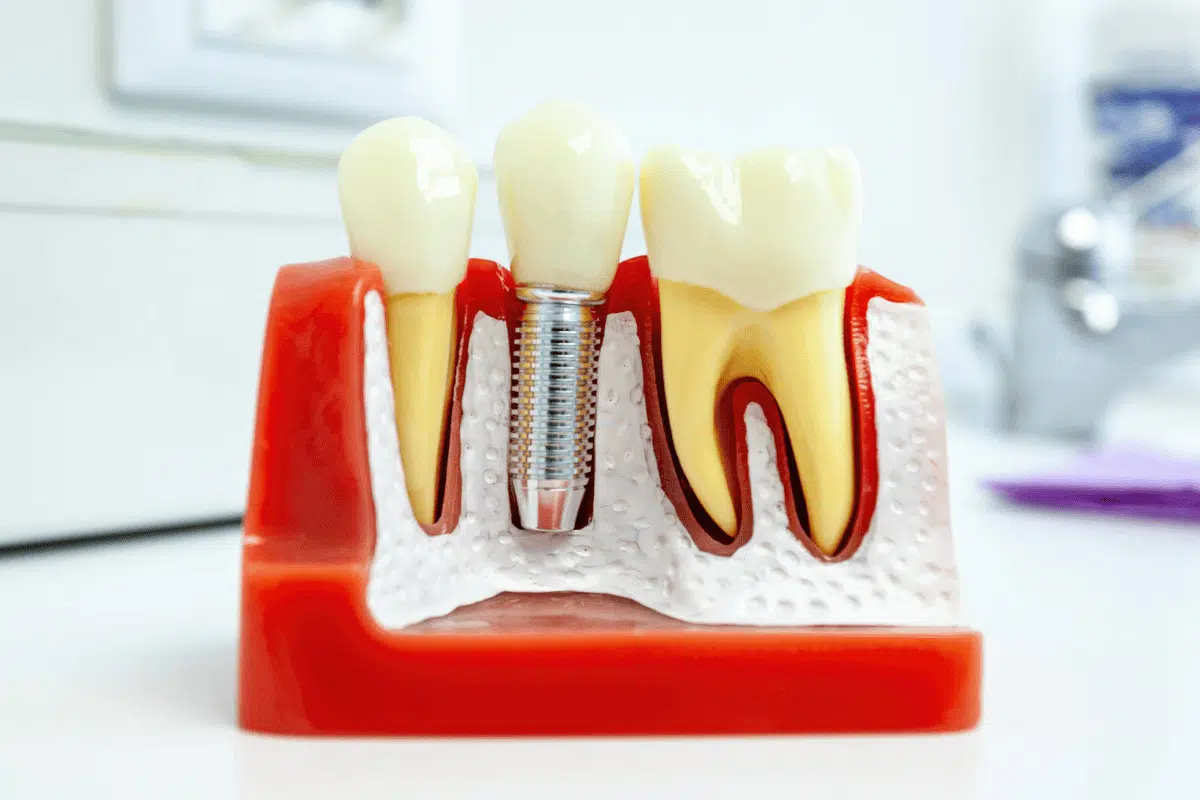
One of the main reasons people opt for dental implants is because they look and feel like natural teeth. Since the implant integrates with the jawbone, it mimics the structure of a real tooth, making it difficult for others to tell that it’s artificial. This natural feel extends to chewing and speaking, which can often be a challenge with other types of dental prosthetics.
2. Durability and Longevity
Dental implants are known for their durability. While other dental solutions, like dentures and bridges, may need to be replaced every 5-10 years, implants can last for decades with proper care. The titanium material is highly resistant to wear and decay, making them a long-term investment in your oral health.
3. Better Oral Health
Implants support your oral health in ways that other solutions cannot. Since dental implants are placed directly into the jawbone, they help maintain bone density, which can be a concern when teeth are missing. When a tooth is lost, the bone in that area can start to deteriorate over time. Implants stimulate the bone and prevent this from happening.
Moreover, unlike dental bridges, implants do not require any modifications to neighboring teeth. This means that the surrounding teeth are not impacted, which helps maintain the overall structure and health of your mouth.
4. Improved Eating and Speaking
Missing teeth can make it difficult to eat certain foods or speak clearly. Dentures, for instance, can sometimes slip or cause discomfort when chewing, which might limit your food choices. Dental implants, on the other hand, function just like natural teeth. This means you can enjoy all your favorite foods without worry. Additionally, implants help improve speech by providing stability and eliminating the mumbling or slurring that may come with missing teeth or loose dentures.
5. Convenience
Unlike dentures, which require removal for cleaning and maintenance, dental implants are designed to be a permanent solution. They do not need to be taken out, and you can care for them just like you would your natural teeth. Daily brushing, flossing, and regular dental check-ups are all that’s needed to keep them in top condition.
How Do Dental Implants Compare to Other Options?
When it comes to replacing missing teeth, you may be considering several options, such as dentures, bridges, or even leaving the gap unfilled. Here’s how dental implants stack up against these alternatives:
Dental Implants vs. Dentures
Dentures have been a common solution for missing teeth for many years. While they can be effective, they come with certain drawbacks. Dentures are removable, which means they can sometimes slip out of place. They also need to be cleaned separately from your natural teeth, and they may cause discomfort or sores in the mouth over time.
On the other hand, dental implants are fixed in place, offering a stable and reliable solution that requires less maintenance. They look and function just like natural teeth, and there’s no risk of them slipping while eating or speaking. For those seeking a more permanent and natural-feeling solution, implants are often the better choice.
Dental Implants vs. Bridges
Dental bridges are another alternative, especially when there are only one or two teeth to replace. Bridges involve placing crowns on the teeth adjacent to the gap and connecting them to a false tooth in the middle.
However, the installation of a bridge requires altering healthy teeth, which is not ideal. Dental implants do not require this, as they are placed independently of other teeth. This helps preserve the natural structure of your mouth and avoids unnecessary damage to otherwise healthy teeth.
Leaving the Gap Unfilled
Some may consider leaving the gap where a tooth was lost, but this can lead to a variety of problems. A missing tooth can cause the surrounding teeth to shift, leading to misalignment and potential issues with your bite. Over time, it can also result in bone loss in the jaw, which may affect the shape of your face.
Choosing dental implants not only fills the gap but also preserves bone structure and prevents the misalignment of surrounding teeth.
Who Is a Suitable Candidate for Dental Implants?
While dental implants are an excellent solution for many people, they may not be suitable for everyone. A good candidate for dental implants should:
- Have healthy gums
- Have adequate bone structure to support the implant
- Be committed to maintaining good oral hygiene
- Not have any medical conditions that could interfere with bone healing, such as uncontrolled diabetes
Your dentist will perform a thorough examination to determine whether dental implants are the right solution for you. If you do not have sufficient bone density, bone grafting may be an option to build up the jawbone before placing the implant.
The Dental Implant Procedure: What to Expect
The process of getting dental implants involves multiple steps and can take several months. Here’s what you can typically expect:
- Consultation and Planning: The Cheshire dentist will assess your dental health and take x-rays to determine the best approach for your implant.
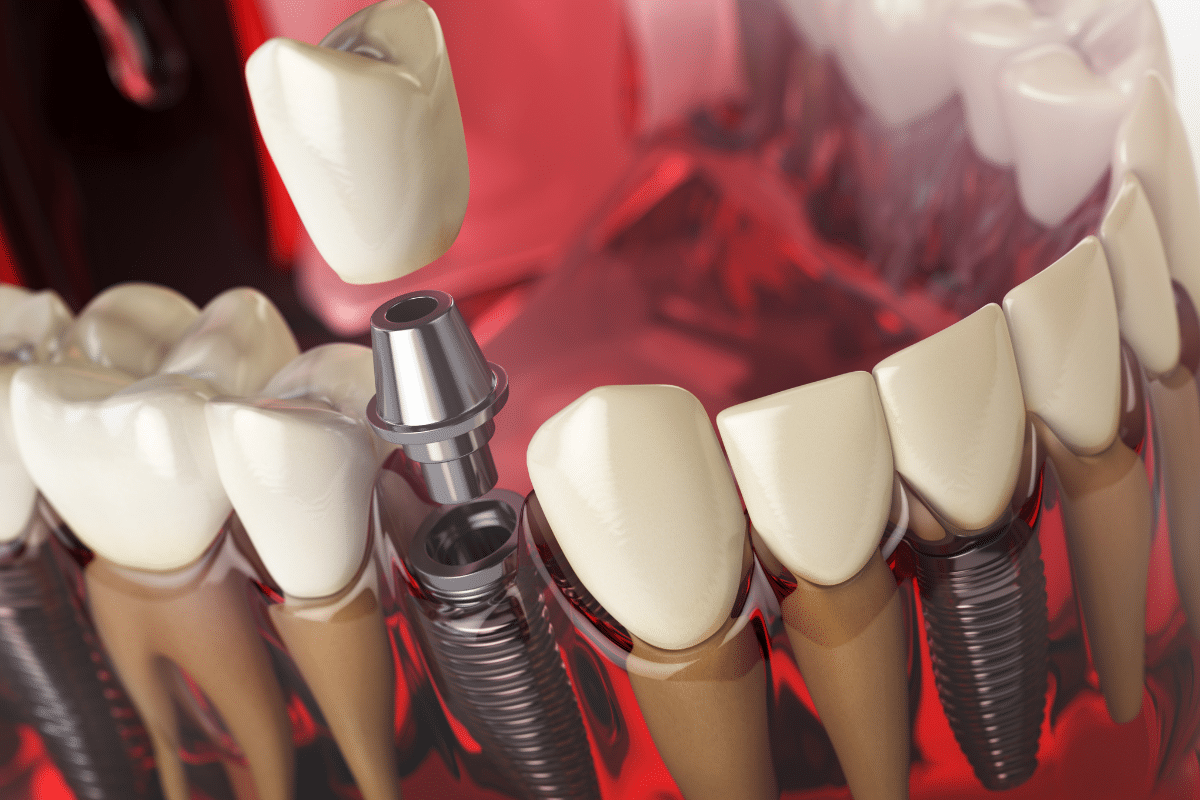
- Implant Placement: During this procedure, the titanium post is surgically inserted into the jawbone. This is done under local anesthesia to minimize discomfort.
- Healing Period: The bone will need time to heal and integrate with the implant. This process, called osseointegration, can take a few months.
- Abutment and Crown Placement: Once the implant is secure, an abutment (connector) is placed, followed by the crown, which is the visible part of the implant.
Why Choose Dental Implants in Cheshire?
If you are considering dental implants in Cheshire, it’s essential to find a reliable and experienced dental clinic. Professionals in this area are known for their quality service, advanced technology, and patient-centered approach. By opting for dental implants in Cheshire, you can expect a personalized treatment plan that suits your specific needs, ensuring the best results for restoring your smile.
Conclusion
Dental implants offer a reliable and natural-looking solution for missing teeth, making them a popular choice for those looking to restore their smile. Their durability, comfort, and ability to preserve oral health set them apart from other dental restoration options like dentures and bridges. If you’re looking for a long-term, low-maintenance solution that can enhance your confidence and improve your quality of life, dental implants could be the right choice for you.
Before making a decision, be sure to consult with a qualified dentist to determine the best treatment plan for your needs. Whether you’re exploring dental implants in Cheshire or elsewhere, your journey to a restored smile begins with understanding your options and choosing what suits you best.