(203) 272-7271
How Dental Implants In Cheshire Help Restore Comfort, Function, And Confidence?

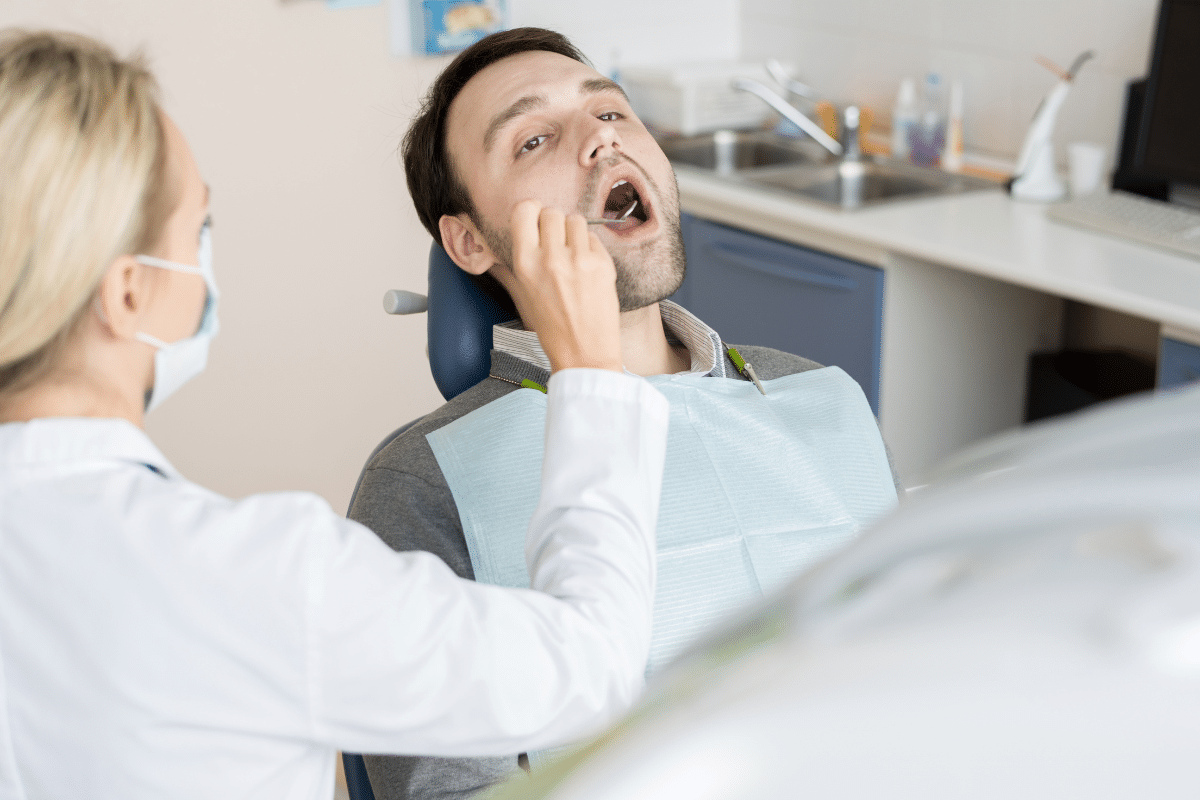
You may not think about a missing tooth every minute of the day, until you’re eating, speaking, or smiling in a photo. Over time, even a single gap can start to affect more than just appearance. It can change how your bite feels, how clearly you speak, and how confident you feel around others.
That’s why many patients researching dental implants in Cheshire are looking for more than a cosmetic fix. In Cheshire, Connecticut, artificial tooth roots are considered one of the most comprehensive options for replacing missing teeth. At Advanced Dentistry, implant treatment is designed to rebuild strength, stability, and natural function, not just fill a space in your smile.
Understanding how implants work can help you decide whether they’re the right long-term solution for you.
Why Are Dental Implants Recommended For Missing Teeth?
Tooth loss happens for many reasons. Decay, injury, gum disease, or even long-term wear can eventually lead to extraction or tooth loss. At first, the impact may seem minor. But patients often notice:
- Difficulty chewing certain foods.
- Increased pressure on remaining teeth.
- Changes in speech clarity.
- A feeling of imbalance in the bite.
- Self-consciousness when smiling.
Beyond those immediate concerns, there’s a deeper issue: bone loss. When a tooth root is missing, the jawbone in that area no longer receives stimulation. Over time, the bone can shrink, affecting facial structure and the stability of nearby teeth.
During a dental evaluation, permanent tooth replacements are recommended because they offer a solution that prevents these long-term changes, not just something temporary.
How Does An Implanted Teeth Procedure Work?
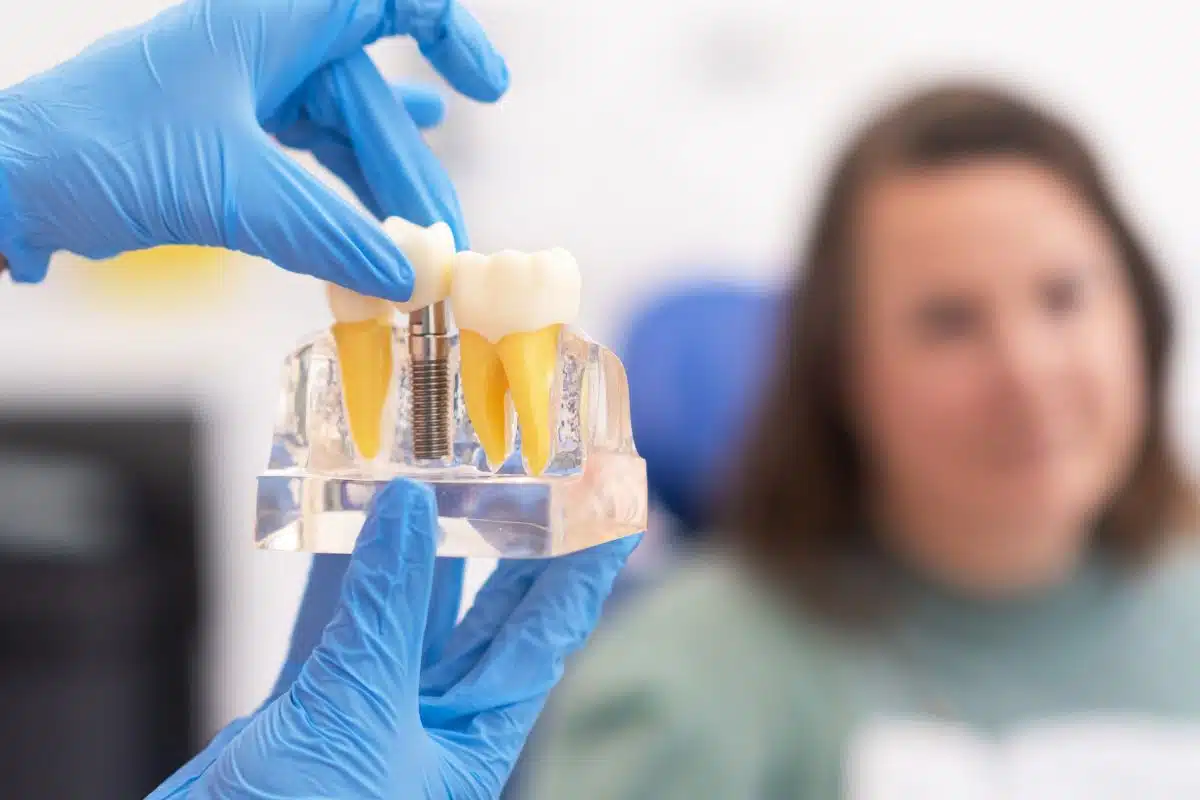
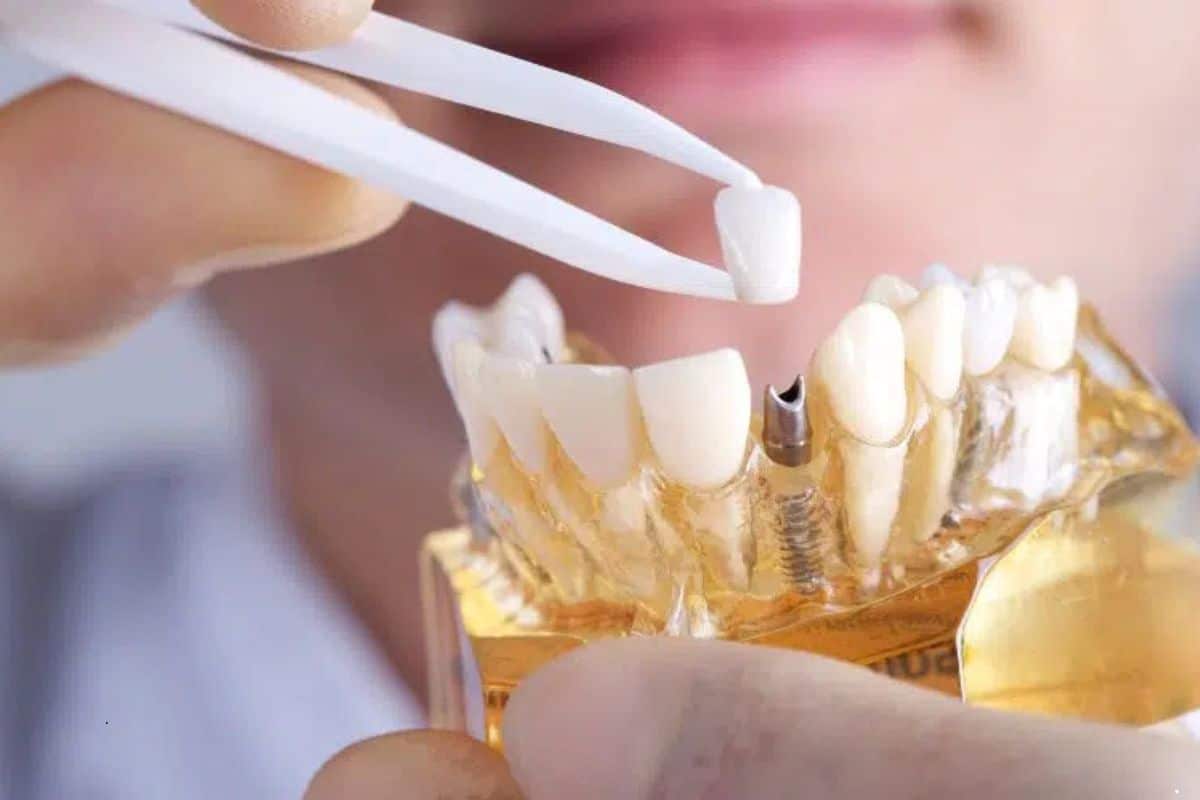
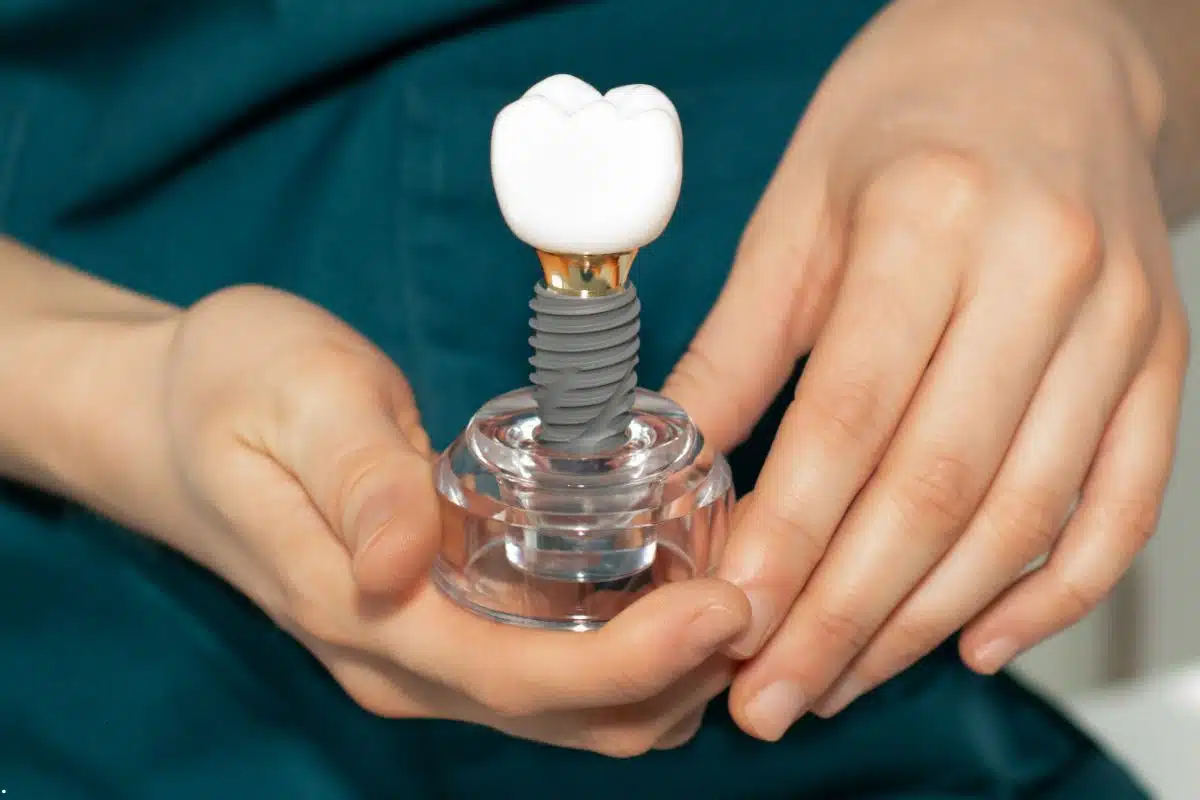
A permanent tooth replacement is unique because they replace both the root and the visible portion of a tooth. This full-structure replacement is what allows them to restore strength and function so effectively.
Step 1: Detailed Consultation And Planning
Treatment begins with a comprehensive evaluation. Digital X-rays or 3D imaging help assess bone density and determine the ideal placement of dental posts.
Your dentist will review your health history and discuss whether additional procedures, such as bone grafting, are necessary.
[Internal Link: Dental Implant Services]Step 2: Surgical Placement Of The Dental Post
A small titanium post is placed into the jawbone where the missing tooth once was. Titanium is biocompatible, meaning it naturally bonds with bone.
This phase is carefully performed under local anesthesia to ensure comfort.
Step 3: Healing And Integration
Over the next few months, the implant fuses with the bone in a process called osseointegration. This creates a stable foundation similar to a natural tooth root.
Temporary restorations may be provided during healing, depending on the case.
Step 4: Custom Crown Placement
Once healing is complete, a custom-made crown is attached to the permanent tooth replacement. The crown is designed to match the surrounding teeth in color, shape, and size.
The final result feels secure and functions like a natural tooth.
How Do Patients Benefit From Prosthetic Teeth Surgery?
Artificial tooth roots offer a wide range of functional and lifestyle benefits.
Functional Benefits
- Restore strong chewing ability
- Maintain proper bite alignment
- Prevent neighboring teeth from shifting
- Help preserve jawbone density
Cosmetic Benefits
- Natural-looking tooth replacement
- Seamless blending with existing teeth
- Support for facial structure
Long-Term Advantages
- No need to modify healthy adjacent teeth
- Stable and durable solution
- Easy maintenance with brushing and flossing
Confidence-Related Benefits
- Speak clearly without worry
- Smile comfortably in photos
- Enjoy meals without hesitation
Unlike removable dentures, prosthetic teeth do not slip or require adhesives. They stay firmly in place, allowing you to go about your daily life without distraction.
Who Is A Good Candidate For Oral Implants?
Prosthetic teeth are often recommended for adults who are missing one or more teeth and want a long-lasting solution.
You may be a good candidate if you:
- Have healthy gums
- Have sufficient jawbone support
- Practice good oral hygiene
- They are generally in good health
However, not everyone qualifies immediately. Patients with advanced gum disease, uncontrolled medical conditions, or significant bone loss may require additional treatment first.
In some cases, dental bridges or dental implants supported dentures may be discussed as alternative options. A professional evaluation is essential to determine the safest and most effective plan for your needs. Personalized treatment planning ensures that surgery supports both oral health and long-term stability.
Common Questions About Dental Implants
How long do dental implants last?
With proper care, artificial tooth roots can last decades. While the crown may need replacement over time due to normal wear, the implant post itself is designed for long-term function.
Is the procedure painful?
The surgery is performed under local anesthesia. Most patients report mild soreness afterward, similar to other minor dental procedures.
How long does treatment take?
The full process typically takes several months to complete, given the healing time. This healing period allows the dental post to bond securely with the jawbone.
Do implants require special care?
No special products are required. Brushing, flossing, and regular dental checkups are essential to maintaining your new tooth’s health.
Why Dental Implants Do More Than Replace A Missing Tooth?
Fixed dental prosthetics do much more than replace a missing tooth. They restore the natural structure and function of your mouth. Unlike temporary solutions, they replace both the visible tooth and the root beneath the gumline.
This root support helps maintain jawbone strength and prevents surrounding teeth from shifting. As a result, your bite remains balanced, and your facial structure stays supported. Over time, this stability helps protect your long-term oral health while restoring the appearance of your smile.
Restore Strength And Confidence With Advanced Dentistry
Tooth loss can affect more than appearance. It can make everyday activities like chewing, speaking, and enjoying meals less comfortable. Artificial tooth roots provide a stable, natural-looking solution that restores function while supporting the overall health of your mouth.
For individuals exploring dental implants in Cheshire for long-term stability, a consultation helps determine the most appropriate treatment plan. At Advanced Dentistry in Cheshire, Connecticut, each evaluation focuses on your oral health, bone support, and long-term goals to ensure the surgery is complication-free and meets your needs.
If you’re ready to restore comfort, balance, and confidence in your smile, schedule a visit with Advanced Dentistry. A personalized consultation can help you understand how dental implants can rebuild function and support lasting oral health.