
Early Oral Cancer Detection Can Save Your Life—Here’s Why It Matters

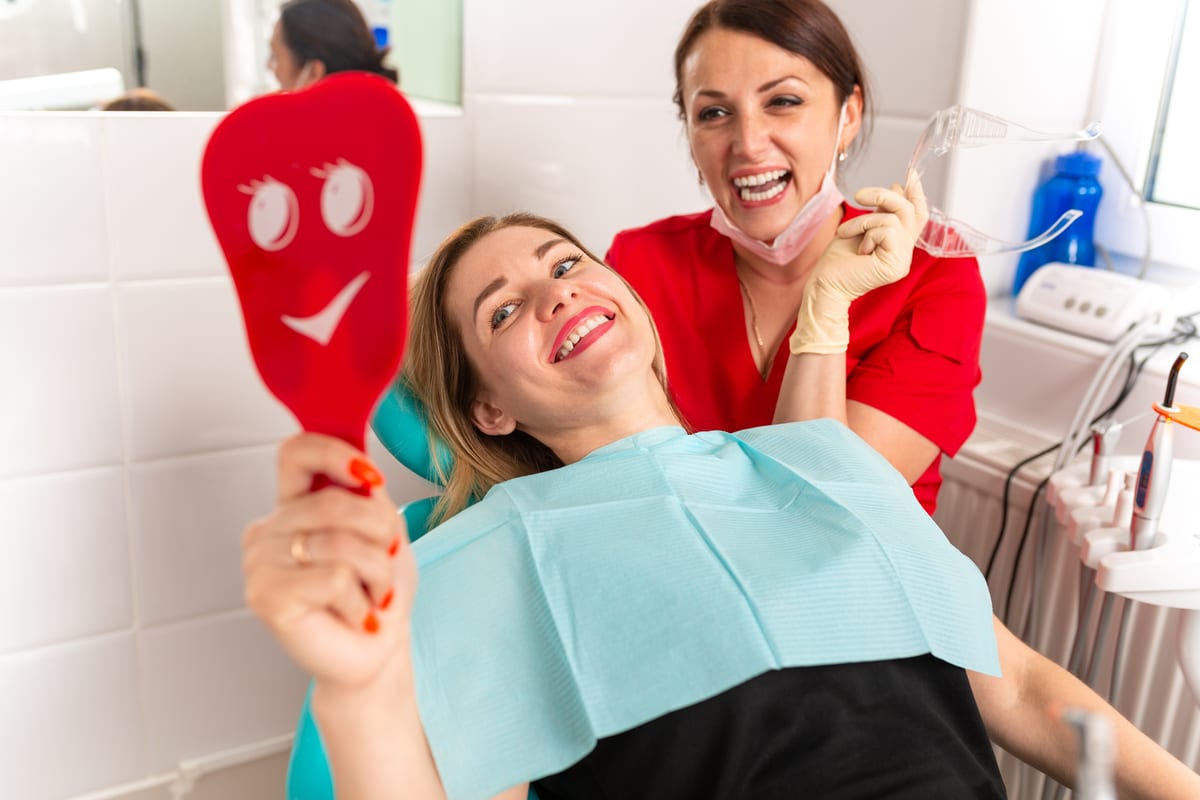
Early oral cancer detection can save your life — here’s why it matters in Cheshire and why so many patients overlook it. Oral cancer is among the most under-discussed health threats in dental care. It affects thousands of Americans every year. Many cases go undetected until they reach advanced stages, making treatment far more complex and survival rates significantly lower.
At Advanced Dentistry, Dr. Desai and the team believe that prevention and early detection are the cornerstones of great dental health. A quick, painless screening during your routine visit could make all the difference. This article explains why oral cancer screenings are so important and what happens when people delay them.
Why Early Oral Cancer Detection Matters So Much in Cheshire
The five-year survival rate for oral cancer caught early is around 84%. When caught late, that number drops to roughly 38%. That gap is enormous — and it is entirely preventable. Early detection is not just a clinical benefit; it is a life-saving advantage.
Oral cancer often starts silently. There may be no pain, no visible sore, and no obvious symptom at first. Patients in Cheshire who skip routine dental visits miss the window where screenings matter most. A trained dental professional can spot changes in tissue that patients would never notice on their own.
Risk factors include tobacco use, heavy alcohol consumption, and HPV infection. However, oral cancer also affects people with no obvious risk factors. This is exactly why universal screening during dental checkups is so valuable.
What Happens When Oral Cancer Goes Undetected
Delayed detection leads to more aggressive treatment. Patients who discover oral cancer at a late stage often require surgery, radiation, or chemotherapy. These treatments carry serious side effects and longer recovery times. In contrast, early-stage oral cancer is often treatable with far less invasive procedures.
Beyond physical health, late-stage oral cancer can impact a patient’s ability to speak, swallow, and eat. Quality of life drops significantly. Emotional and psychological wellbeing suffers too. The earlier the cancer is found, the better the outcome across every dimension of health.
Unfortunately, many patients assume that if something were seriously wrong, they would feel it. That assumption is dangerous. Oral cancer can develop in areas of the mouth that are hard to see or feel without professional tools and expertise.
- Early-stage oral cancer is often painless and invisible to the untrained eye
- Late detection dramatically reduces survival rates
- Advanced cases may require surgery that affects speech and swallowing
- Regular screenings close the gap between risk and early intervention
- No lifestyle risk factor is required — anyone can develop oral cancer
What to Expect During an Oral Cancer Screening at Advanced Dentistry
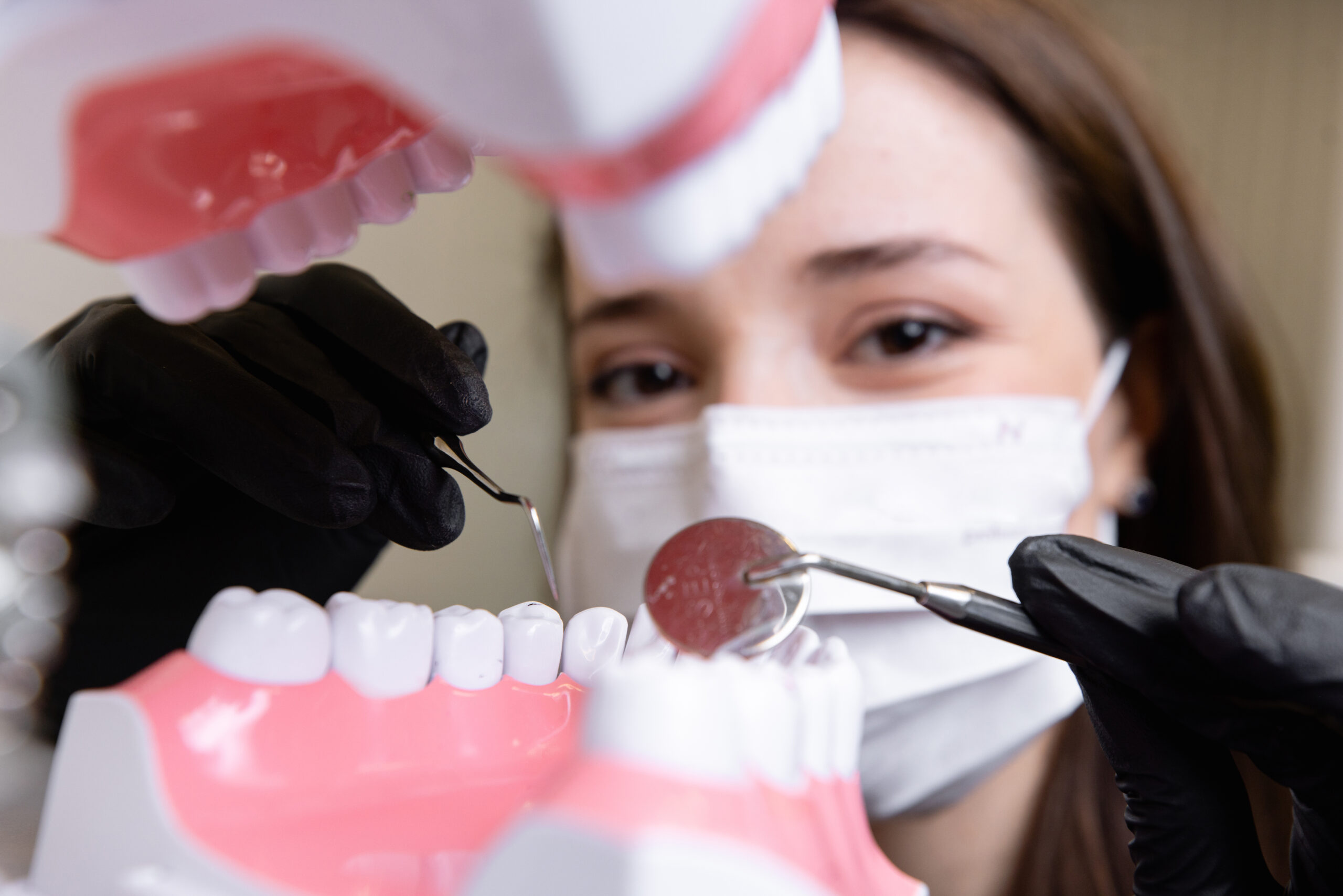
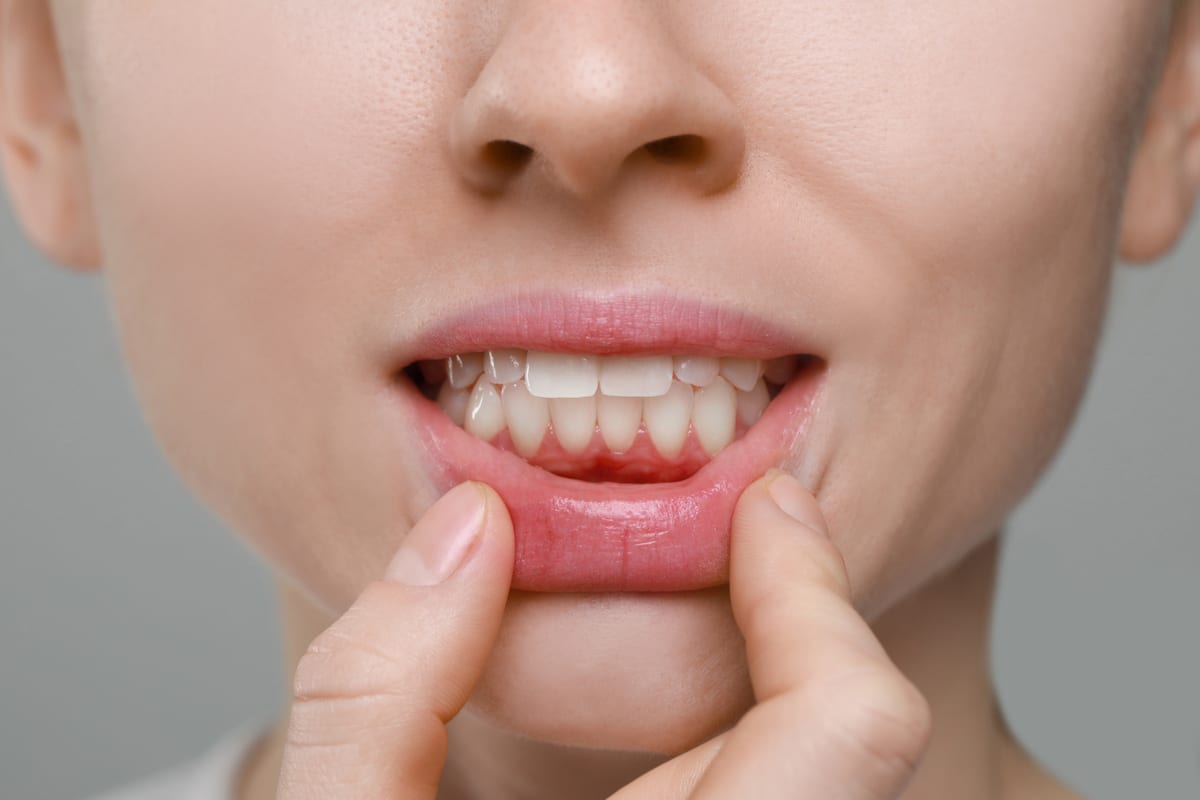
Many patients are surprised by how simple and comfortable a screening is. The process takes only a few minutes during a regular dental appointment. Dr. Desai will visually examine the lips, gums, tongue, and the inside of the cheeks. He also checks the throat and neck for any unusual changes.
The examination requires no special preparation. It is completely non-invasive. If Dr. Desai notices anything worth monitoring, he will discuss next steps with you clearly and calmly. Most findings turn out to be benign, but early monitoring gives you peace of mind and a clear path forward.
Good Dental Hygiene Periodontal Health Cheshire starts with consistent professional care. Keeping up with your dental visits means you are never far from the protection that a screening provides. Think of it as one more layer of defense for your overall health.
- Schedule your routine dental checkup at Advanced Dentistry
- Dr. Desai performs a thorough visual and tactile oral exam
- Any areas of concern are noted and monitored closely
- If needed, a referral for biopsy or specialist evaluation is arranged
- You leave informed, reassured, and protected
How Oral Cancer Screening Fits Into Your Overall Dental Care
Oral cancer screening does not exist in isolation. It is one part of a comprehensive approach to dental health. When patients visit Advanced Dentistry, they receive a full evaluation that covers everything from gum health to restorative needs. That whole-mouth perspective is what makes the care here so effective.
Patients who have experienced tooth loss may also be exploring options like Dental Implants Cheshire to restore function and confidence. Regardless of where you are in your dental journey, oral cancer screening belongs in the conversation. It is not a separate concern — it is part of caring for your mouth as a whole.
Dr. Desai takes a patient-centered approach to every visit. He understands that many people feel anxious about dental appointments. His goal is to make screenings feel routine and reassuring, not alarming. Education and open conversation are central to everything at Advanced Dentistry.
Who Should Be Getting Screened in Cheshire, CT
The short answer is everyone. Dental professionals recommend oral cancer screenings for all adult patients, ideally at every routine checkup. There is no minimum age threshold for risk, and no demographic is entirely exempt. Regular screening is simply smart preventive care.
Certain groups do carry elevated risk. These include people who use tobacco in any form, individuals who consume alcohol regularly, and those who have had an HPV diagnosis. People with a history of significant sun exposure also face higher risk for lip cancer. Even so, screenings benefit every patient regardless of risk level.
If you have not had a dental checkup recently, now is a meaningful time to schedule one. Cheshire patients who prioritize their oral health are making an investment in their long-term wellbeing. Early oral cancer detection can save your life — here’s why it matters in Cheshire: because acting early is always better than waiting.
Conclusion: Take the Step That Could Change Everything
Oral cancer is serious, but it is also highly treatable when found early. The key is consistent professional care and never skipping your routine dental visits. Dr. Desai and the team at Advanced Dentistry in Cheshire, CT are here to provide that care with warmth, expertise, and genuine concern for your health.
Do not wait for a symptom to prompt a visit. Make the appointment before symptoms appear. A few minutes during a checkup could be the most important few minutes of your year. Book Now to schedule your appointment with our team.
Frequently Asked Questions
How often should I have an oral cancer screening?
Most dental professionals recommend an oral cancer screening at every routine dental checkup, typically once or twice a year. If you have elevated risk factors such as tobacco use or a history of HPV, Dr. Desai may suggest more frequent monitoring. Consistent screenings give you the best chance of catching any changes early.
Is the oral cancer screening procedure painful?
No. The screening is completely non-invasive and painless. Dr. Desai uses a visual and tactile examination to check the soft tissues of your mouth, lips, and neck. Most patients barely notice it as a separate step during their regular dental visit.
What are the early warning signs of oral cancer?
Early signs can include a sore that does not heal within two weeks, a red or white patch inside the mouth, unexplained numbness or tenderness, and difficulty chewing or swallowing. However, many early-stage cases have no symptoms at all. That is why professional screenings are so critical — they catch changes before symptoms appear.
Can oral cancer develop in people who do not smoke or drink?
Yes. While tobacco and alcohol use are known risk factors, oral cancer can develop in people with no obvious lifestyle risks. HPV-related oral cancers are increasingly common among non-smokers. This is why all adult patients, regardless of habits, benefit from regular screenings.
What happens if Dr. Desai finds something concerning during a screening?
If Dr. Desai notices an area that warrants further evaluation, he will explain his findings clearly and calmly. He may recommend monitoring the area over a short period or refer you to a specialist for a biopsy. Finding something during a screening does not automatically mean cancer — many findings are benign. Early follow-up simply ensures you have the clearest possible picture of your health.