(203) 272-7271

The Role of Dental Fillings in Preventing Tooth Decay


If your dentist tells you that you have cavities that need to be treated, don’t get scared. A dental filling will keep your cavity from getting worse. Understanding how a composite resin restoration can help prevent the spread of decay is crucial for your oral health. Keep scrolling down for insights into this cavity-prevention treatment and ensure optimal protection for teeth.
What are the Top Causes of Dental Decay?
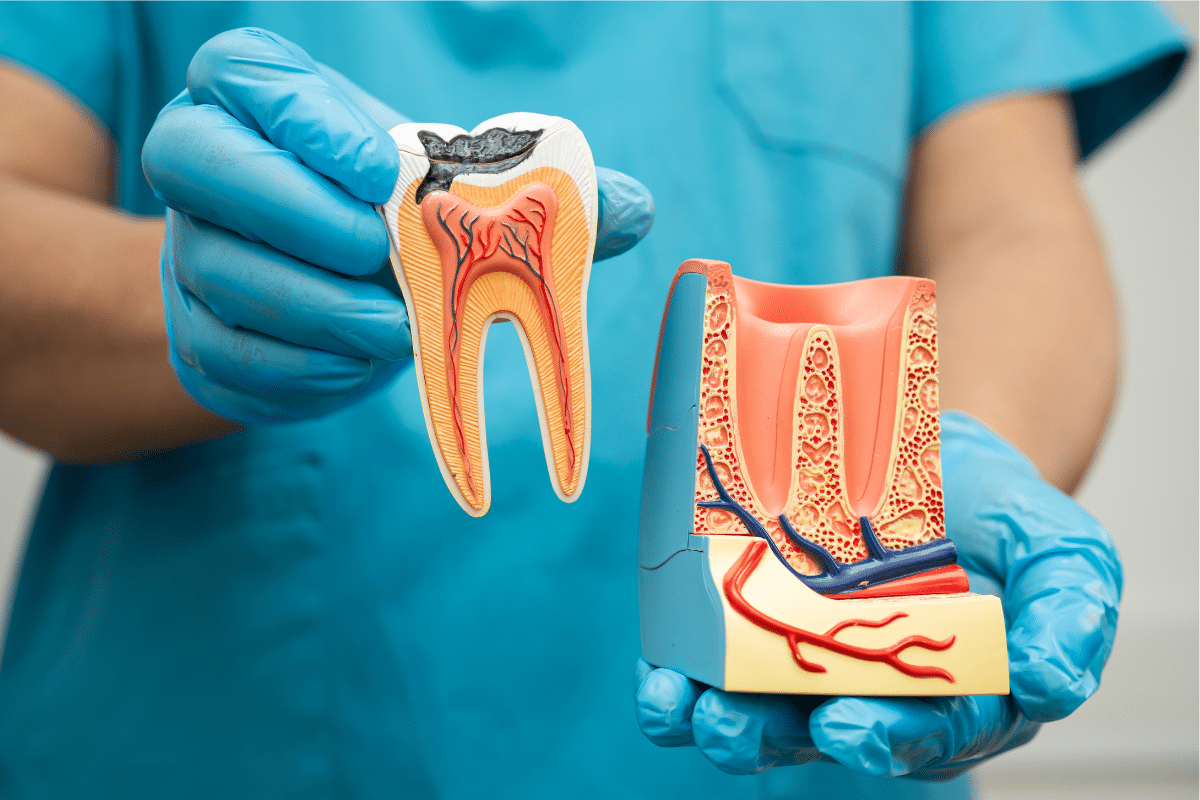
Tooth decay is caused by bacteria that, when coupled with food, form plaque. Over time, bacteria in plaque produce acids that begin to damage your tooth. There are a few factors that expedite this process:
- Eating a lot of sugary foods
- Not maintaining proper dental hygiene at home
- Failing to schedule regular checkups with the dentist
The Purpose of Dental Fillings
Dental fillings help to restore the function and integrity of damaged or decaying teeth. Sealing the afflicted region is essential when a tooth develops a cavity or gets damaged owing to wear and tear. After removing decay, the filling material is inserted inside the cavity or damaged section of the tooth. This prevents future decay and restores your tooth’s shape and function, letting you chew and speak normally.
Porcelain, composite resin, metal alloys, and gold are the most commonly utilized materials for this dental restoration. You can consult with your dentist to determine the suitable material for this tooth-colored restoration.
What Happens During a Filling Procedure?
The practitioner will first use a local anesthetic to numb the area surrounding your affected tooth. They clean the decaying area and fill it with a hardening substance to prevent additional harm. This restoration with composite resin is popular and easy to use to keep your mouth healthy. The filling is firmly positioned for the final placement to avoid cavity-causing germs effectively.
Signs Your Tooth Needs a Filling
Here are a few indications to know when to undergo a composite resin restoration.
Toothache: Tooth decay is frequently indicated by persistent tooth discomfort. You should consult a dentist in Cheshire, CT, if you have a toothache, especially when you bite or chew.
Sensitivity: A cavity may be indicated by an increased sensitivity to hot, cold, or sweet foods and beverages. This symptom is frequently a precursor to dental deterioration.
Visible Holes or Dark Spots: A cavity may be present if you observe a hole, pit, or dark area on a tooth. These outward manifestations are unmistakable clues that you could require fillings.
Rough or Damaged Tooth: To restore its structure and function, a tooth that has been chipped, damaged, or rough may also need composite resin.
Dental fillings are necessary to keep your teeth healthy, attractive, and functional. They preserve the tooth’s structure, stop more problems, and successfully heal decay-induced damage. You can experience a better smile and optimal pain relief with composite resin restoration. Always consult with your dentist to recommend the best material for sealing the cavities. Get insights into aftercare instructions to ensure decay doesn’t re-invade your teeth after tooth-colored restorations.
Don’t put off getting a tooth filling if you’re showing any symptoms discussed above. Schedule your appointment to reverse cavities and protect natural tooth structures with high-quality dental fillings. We’re here to serve you in our Cheshire, Connecticut office!