(203) 272-7271

Is Getting a Dental Filling Painful? Here’s What You Need to Know


Many people feel anxious about visiting the dentist, especially when they’re told they need a dental filling. One of the biggest concerns is whether the procedure will be painful. It’s a common fear, but the truth is that modern dental techniques have made the process much more comfortable than ever before. In this blog, we’ll explore what to expect during a dental filling, whether it’s painful, and how your dentist ensures your comfort throughout the procedure.
What Are Dental Fillings and Why Are They Needed?
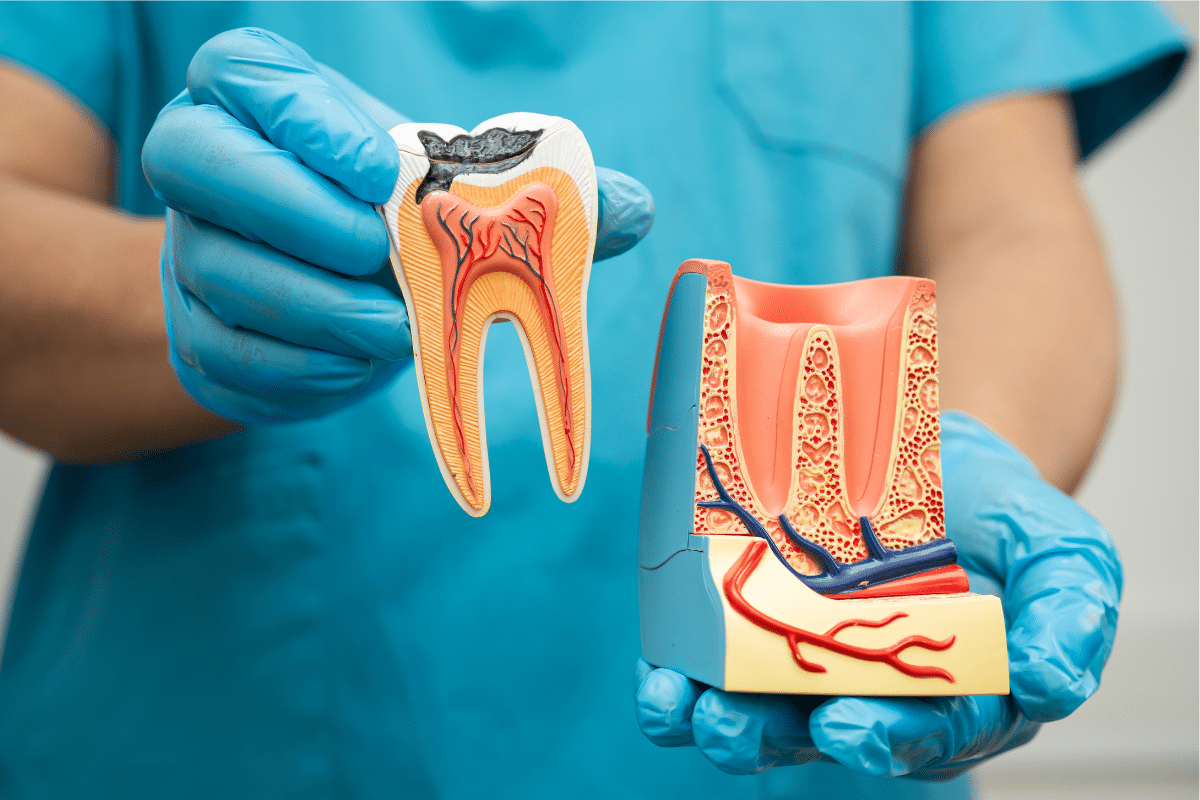
Dental fillings are used to repair a tooth that has been damaged by decay. When a cavity forms, it weakens the structure of the tooth, making it prone to further damage. A filling restores the tooth’s strength and function, preventing the decay from spreading. Fillings are also used to repair cracked or broken teeth that haven’t been damaged by decay.
Your dentist in Cheshire, CT or any other location will recommend a filling if they detect a cavity during a routine check-up or if you report symptoms such as tooth sensitivity or pain.
How Dentists Prepare for a Filling
Before starting the filling procedure, your dentist will take steps to ensure your comfort. Here’s how the process typically goes:
- Numbing the Area: The first step is to numb the area around the affected tooth. Your dentist will apply a topical anesthetic to your gums to make the injection of the local anesthetic more comfortable. The local anesthetic is what actually numbs your tooth, so you won’t feel any pain during the procedure.
- Testing for Numbness: After the anesthetic has taken effect, your dentist will check to ensure that the area is completely numb before proceeding. They may gently touch your gums or tooth to see if you feel anything. If you still feel discomfort, additional anesthetic may be administered.
- Drilling Out the Decay: Once the area is numb, the dentist will use a dental drill or laser to remove the decayed portion of the tooth. You might feel some pressure or vibrations during this step, but there shouldn’t be any pain. If at any point you feel discomfort, it’s important to let your dentist know, as they can take additional measures to keep you comfortable.
Is the Procedure Painful?
For most people, the answer is no. The numbing agents used during a dental filling procedure are very effective at preventing pain. However, it’s normal to feel some pressure or vibrations from the dental instruments. This sensation can feel unusual but shouldn’t cause any pain.
In some cases, if the decay is deep and close to the tooth’s nerve, you might feel slight discomfort after the anesthetic wears off. This is typically mild and temporary, and over-the-counter pain relievers are usually enough to manage it. If the discomfort persists, contact your dentist Cheshire, CT to discuss possible solutions.
Different Types of Fillings
The material used for your filling can also affect your experience. Dentists use several types of fillings, each with its own pros and cons:
- Amalgam Fillings: These are made of a mix of metals, including silver, mercury, and copper. They are durable and affordable but may not blend well with the natural color of your teeth.
- Composite Fillings: Made of a tooth-colored resin, composite fillings are more aesthetically pleasing and blend seamlessly with your natural teeth. They are a popular choice for fillings in visible areas.
- Ceramic Fillings: These are also tooth-colored but are made of porcelain, making them more resistant to stains than composite fillings. However, they are often more expensive.
- Gold Fillings: Gold fillings are durable and long-lasting, but they are the most expensive option and are not tooth-colored.
Your dentist will discuss the best option for your specific case, considering factors such as the location of the cavity and your budget.
After the Filling: What to Expect
Once the filling is complete, it’s normal to experience some minor side effects as the anesthetic wears off. Here’s what you can expect after the procedure:
- Numbness: The numbness in your mouth will last for a few hours after the procedure. During this time, be careful not to bite your cheek, tongue, or lip.
- Sensitivity: Your tooth might feel sensitive to hot or cold temperatures for a few days. This is especially common if the filling was large or close to the nerve. Sensitivity should subside within a week or so, but if it doesn’t, contact your dentist.
- Soreness: You may experience slight soreness or discomfort around the filling. This is usually due to pressure from the dental instruments and should resolve within a day or two.
- Avoiding Certain Foods: Your dentist might recommend avoiding hard or sticky foods for the first 24 hours after the procedure, especially if you received a composite filling that needs time to fully harden.
Preventing Future Cavities
Getting a filling is a common and straightforward dental procedure, but it’s best to avoid the need for fillings altogether by taking care of your oral health. Here are some tips for preventing cavities:
- Brush and Floss Daily: Make sure to brush your teeth twice a day and floss at least once a day to remove plaque and prevent decay.
- Use Fluoride Toothpaste: Fluoride helps strengthen your teeth and prevent cavities.
- Visit Your Dentist Regularly: Regular check-ups with your Cheshire dentist allow early detection of cavities before they become severe. Your dentist can also provide professional cleanings to remove plaque and tartar buildup.
- Watch Your Diet: Sugary foods and drinks can contribute to tooth decay, so try to limit your consumption of these items. Drink plenty of water and opt for healthy snacks like fruits and vegetables.
Frequently Asked Questions
How long does discomfort last after a dental filling?
Mild sensitivity after a dental filling is common and usually improves within a few days. If discomfort persists or worsens, contact your dentist for an evaluation.
Will I be able to eat normally after getting a filling?
Most patients can return to their normal eating habits shortly after treatment. Your dentist may recommend waiting until any numbness has worn off before eating.
Why does my tooth feel sensitive after a filling?
Some temporary sensitivity to hot, cold, or pressure can occur as the tooth adjusts after treatment. This typically resolves on its own over time.
What should I do if my filling feels too high?
If your bite feels uneven or the filling seems too high, schedule a follow-up visit. A simple adjustment can often resolve the issue and improve comfort.
Can a cavity get worse if I postpone getting a filling?
Yes. Delaying treatment can allow decay to progress deeper into the tooth, potentially leading to more extensive dental procedures in the future.
Conclusion
The thought of getting a dental filling might cause some anxiety, but the procedure is generally painless thanks to modern techniques and effective numbing agents. Advanced Dentistry will take steps to ensure your comfort and address any concerns you have along the way. By following a good oral hygiene routine and visiting your dentist regularly, you can reduce the likelihood of needing future fillings and keep your smile healthy.
Remember, dental fillings are a routine part of dental care, and there’s no need to fear them. If you ever feel unsure or anxious, don’t hesitate to communicate openly with your dentist; they’re there to make the experience as comfortable as possible. Book your appointment today!