(203) 272-7271

How Dental Fillings Can Restore Your Teeth and Smile


Dental fillings are a common solution for repairing teeth that have been damaged by decay or trauma. They play a crucial role in maintaining oral health and restoring your smile. If you’ve ever wondered how dental fillings can benefit your teeth and enhance your smile, this guide will provide a comprehensive overview.
What Are Dental Fillings?
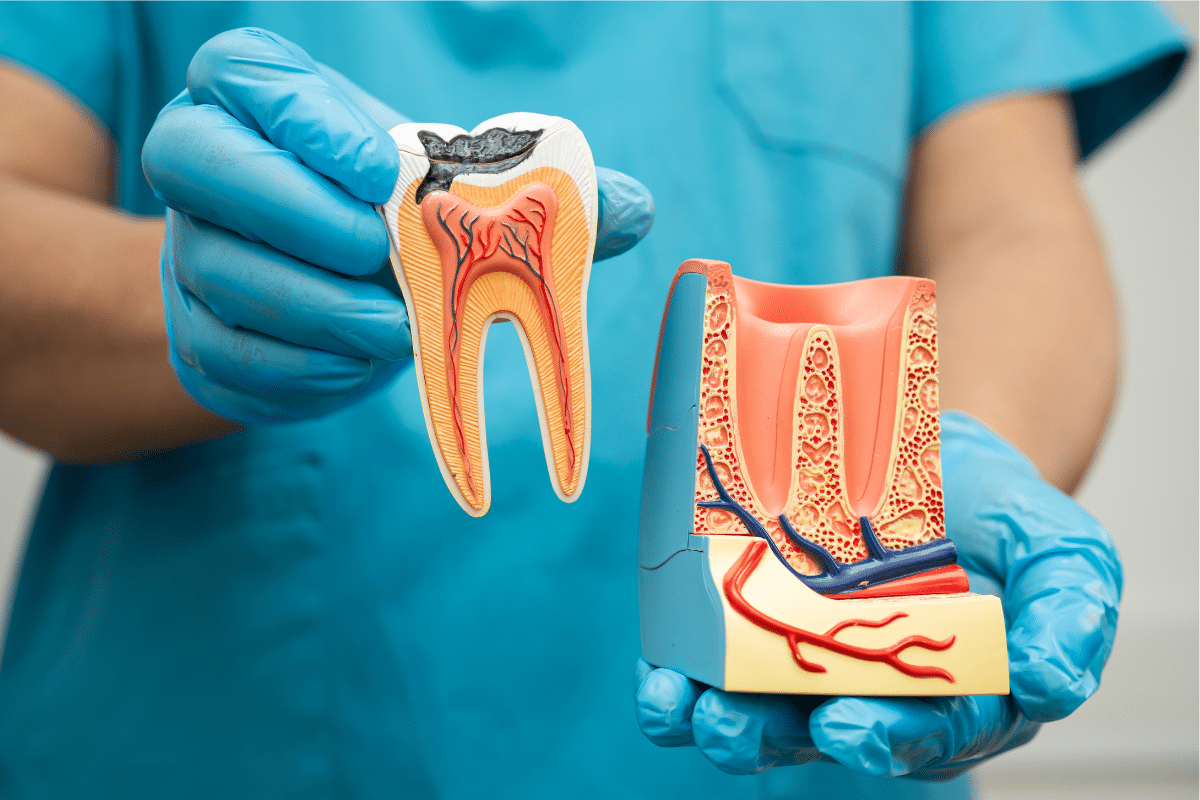
Dental fillings are materials used to fill cavities or damaged areas in teeth. When a tooth is affected by decay, the decayed portion is removed, and the cavity is filled with a restorative material. This process helps protect the tooth from further damage and restores its normal function and appearance.
Why Are Dental Fillings Necessary?
Dental fillings are necessary for several reasons:
1. Prevent Further Decay
When a cavity is left untreated, it can grow larger and lead to more severe dental problems. By filling the cavity, you prevent the decay from spreading and protect the tooth from additional damage.
2. Restore Tooth Function
A tooth with a cavity can become weak and may not function properly. Dental fillings restore the tooth’s strength and allow you to chew and bite effectively.
3. Improve Appearance
Cavities and damaged teeth can affect the appearance of your smile. Fillings can be made to match the color of your natural teeth, improving both the function and look of your smile.
Types of Dental Fillings
There are several types of dental fillings, each with its own benefits:
1. Composite Resins
Composite resins are tooth-colored materials that blend seamlessly with your natural teeth. They are ideal for fillings in visible areas, as they provide a natural look. Composite resins are also versatile and can be used for both small and large cavities.
2. Amalgam Fillings
Amalgam fillings are made from a mixture of metals, including silver, mercury, and tin. They are known for their durability and strength, making them suitable for fillings in the back teeth where the pressure from chewing is greater. While they are more noticeable than composite resins, they are long-lasting and cost-effective.
3. Ceramic Fillings
Ceramic fillings are made from porcelain and are highly durable. They are resistant to staining and can be matched to the color of your natural teeth, making them a popular choice for fillings in visible areas. Ceramic fillings are also resistant to wear and tear.
4. Glass Ionomer Fillings
Glass ionomer fillings release fluoride, which helps protect the tooth from further decay. They are often used for fillings in areas that are not subjected to heavy pressure, such as the edges of teeth. Glass ionomer fillings are also suitable for areas where esthetics is less of a concern.
The Process of Getting a Dental Filling
Here’s a step-by-step overview of what to expect during the filling procedure:
1. Examination and Diagnosis
Your dentist will examine your tooth to determine the extent of the decay and decide on the appropriate filling material. X-rays may be taken to get a clear view of the damage.
2. Tooth Preparation
The dentist will numb the affected area with a local anesthetic to ensure you are comfortable during the procedure. The decayed portion of the tooth is then removed using specialized dental instruments.
3. Filling Placement
Once the cavity is cleaned and prepared, the filling material is placed into the cavity. The dentist will shape the material to match the contours of your tooth and ensure it fits properly.
4. Polishing
After the filling is placed, the dentist will polish it to smooth out any rough edges and make sure it blends seamlessly with your natural tooth.
Aftercare for Dental Fillings
Proper care is essential to ensure the longevity of your dental fillings. Here are some tips for maintaining your fillings and oral health:
1. Practice Good Oral Hygiene
Brush your teeth at least twice a day with fluoride toothpaste and floss daily. This helps prevent decay around the filling and keeps your teeth and gums healthy.
2. Avoid Hard Foods
While dental fillings are durable, avoid chewing on hard foods or objects that could damage them. Stick to a balanced diet and chew with care.
3. Regular Dental Check-ups
Visit your dentist regularly for check-ups and cleanings. Regular visits help ensure that your fillings remain in good condition and that any potential issues are addressed promptly.
Conclusion
Dental fillings are an effective solution for restoring damaged teeth and enhancing your smile. Whether you need to repair a cavity or fix a damaged tooth, dental fillings provide a durable and aesthetically pleasing option.
If you’re experiencing tooth decay or damage, consult with a dentist to discuss your filling options. At Advanced Dentistry, we offer a range of dental filling materials to meet your needs and help you maintain a healthy, beautiful smile. Contact us today to schedule an appointment and learn more about how dental fillings can benefit you.