(203) 272-7271
Do You Need a Dental Filling? Signs, Options, and Care Tips

Tooth discomfort is easy to ignore—until it isn’t. A brief twinge while drinking something cold or mild pain when chewing may seem harmless, but these can be early indicators of a deeper issue. One of the most common restorative treatments used to protect teeth from further damage is a dental filling. Understanding when this treatment is needed, what options are available, and how to care for your teeth afterward can help you make confident, informed decisions about your oral health.
This guide explains the signs to watch for, the materials commonly used, and practical care tips, with insight you’d expect from an experienced dentist in Cheshire, CT.
What Is a Dental Filling and Why Is It Needed?
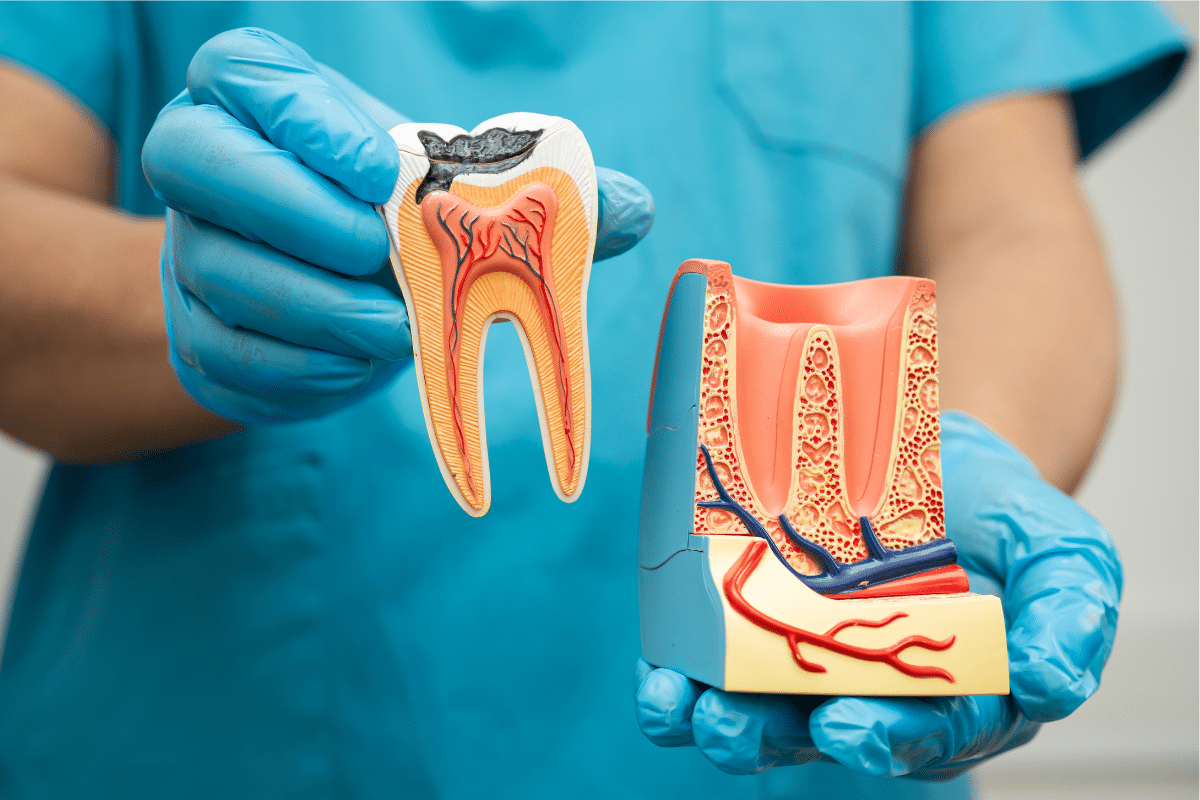
A filling is used to restore a tooth that has been damaged by decay, wear, or minor fractures. When plaque bacteria break down tooth enamel, they create cavities that grow over time if left untreated. Once enamel is compromised, the affected area must be cleaned and sealed to prevent bacteria from spreading deeper into the tooth.
Without treatment, decay can reach the inner pulp, potentially leading to infection, root canal therapy, or even tooth loss. Early intervention helps preserve the natural tooth structure and maintain normal function.
Common Signs You May Need Treatment
Not every cavity causes pain right away. In many cases, early damage is only visible during a routine exam. Still, there are symptoms that shouldn’t be ignored:
Tooth Sensitivity
Increased sensitivity to hot, cold, or sweet foods often signals enamel damage. If sensitivity lingers after exposure, it may point to decay beneath the surface.
Pain When Chewing
Discomfort or sharp pain while biting down can indicate structural weakness or decay affecting the inner layers of the tooth.
Visible Dark Spots or Holes
Brown, black, or white spots on the tooth may be early signs of decay. Small pits or holes are also common indicators.
Persistent Toothache
A dull or throbbing ache, even without eating, may suggest that decay has progressed and requires prompt care.
Rough or Chipped Areas
Minor cracks or worn areas can trap bacteria, increasing the risk of decay even if no cavity is present yet.
If you notice any of these symptoms, scheduling an evaluation with a qualified dentist in Cheshire, CT can help prevent complications.
Types of Filling Materials Available
Modern dentistry offers several materials, each suited for different needs based on location, durability, and appearance.
Composite Resin
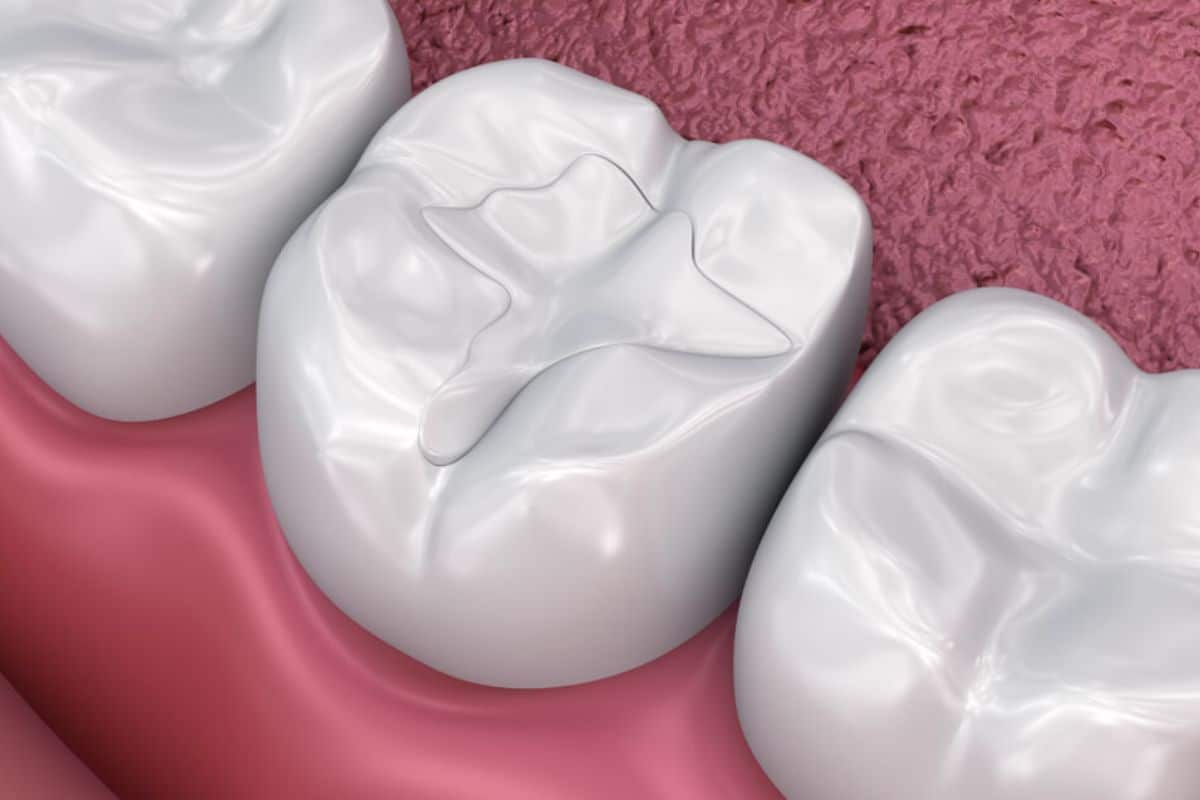
This tooth-colored material blends naturally with surrounding enamel and is commonly used for visible teeth. It bonds directly to the tooth, helping preserve more natural structure.
Amalgam
Known for its strength and longevity, amalgam has been used for decades, particularly for molars that handle heavy chewing forces. Its silver color makes it less popular for visible areas.
Ceramic
Ceramic restorations are stain-resistant and aesthetically pleasing. They tend to last longer than composite but may come at a higher cost.
Glass Ionomer
Often used near the gumline or in children’s teeth, this material releases fluoride, offering additional protection against decay.
Your dentist will recommend the most appropriate option based on your oral health, bite, and cosmetic preferences.
What to Expect During the Procedure
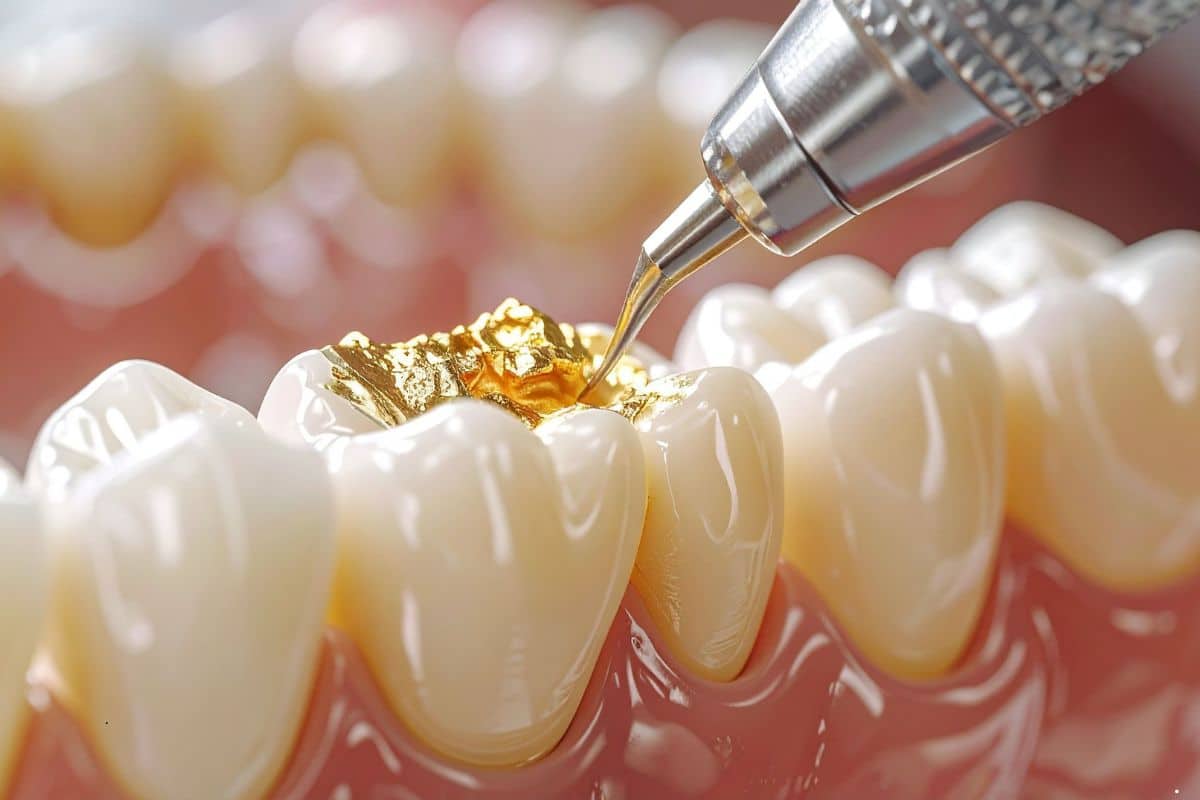
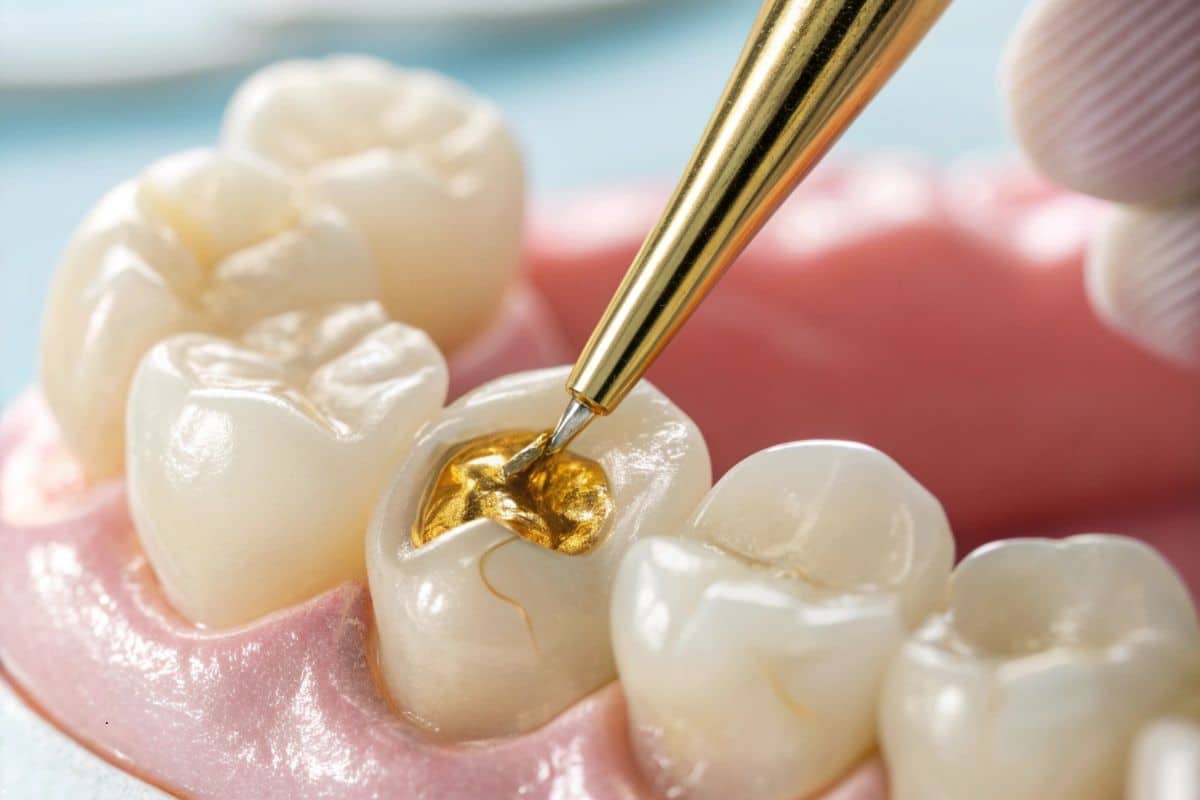
The process is typically straightforward and completed in a single visit. After numbing the area, the dentist removes decayed tissue and thoroughly cleans the tooth. The material is then placed, shaped, and hardened to restore normal function and comfort.
Most patients return to daily activities the same day, with minimal discomfort afterward.
Aftercare Tips for Long-Lasting Results
Proper care plays a key role in maintaining results and preventing future decay.
- Brush twice daily using fluoride toothpaste
- Floss once a day to remove plaque between teeth
- Avoid chewing hard foods immediately after treatment
- Limit sugary snacks and acidic beverages
- Schedule routine dental checkups and cleanings
Mild sensitivity may occur for a few days, but persistent pain should be evaluated promptly.
How Long Do Fillings Typically Last?
Longevity depends on the material used, oral hygiene habits, and chewing forces. Composite restorations generally last several years, while ceramic and amalgam options may last longer with proper care. Regular dental visits allow your provider to monitor wear and address issues early.
Conclusion
Cavities and minor tooth damage don’t resolve on their own, but early care can make treatment simple and effective. Recognizing warning signs, understanding available materials, and following good oral hygiene habits all contribute to lasting dental health. A dental filling is a common, reliable way to protect teeth and prevent more extensive procedures down the road.
Staying proactive and informed is the best way to preserve your smile for years to come.
If you’re experiencing tooth sensitivity, discomfort, or have concerns about cavities, a professional evaluation can provide clarity and peace of mind. The experienced team at Advanced Dentistry in Cheshire, CT is committed to helping patients understand their treatment options and maintain long-term oral health. Scheduling a consultation with a trusted local provider is a smart first step toward protecting your smile.