(203) 272-7271
The Ultimate Guide to Dental Bonding: What to Expect and How It Works


Dental bonding is a common and versatile cosmetic dental procedure used to repair various dental issues and enhance the overall appearance of teeth. Whether you have chipped, discolored, or misaligned teeth, dental bonding can be a cost-effective and minimally invasive solution. In this comprehensive guide, we’ll explore what dental bonding is, what you can expect during the procedure, and how it works to transform your smile.
What Is Dental Bonding?
Dental bonding, also known as composite bonding, is a cosmetic dentistry procedure that involves the application of a tooth-colored resin material to the tooth’s surface. This resin is carefully sculpted and shaped to match the patient’s natural teeth, effectively concealing imperfections and creating a more appealing smile.
Common Uses of Dental Bonding
Dental bonding is a versatile treatment that can address a variety of dental concerns, including:
- Repairing Chipped or Cracked Teeth: Dental bonding can restore the integrity and appearance of teeth with minor damage, such as chips or cracks.
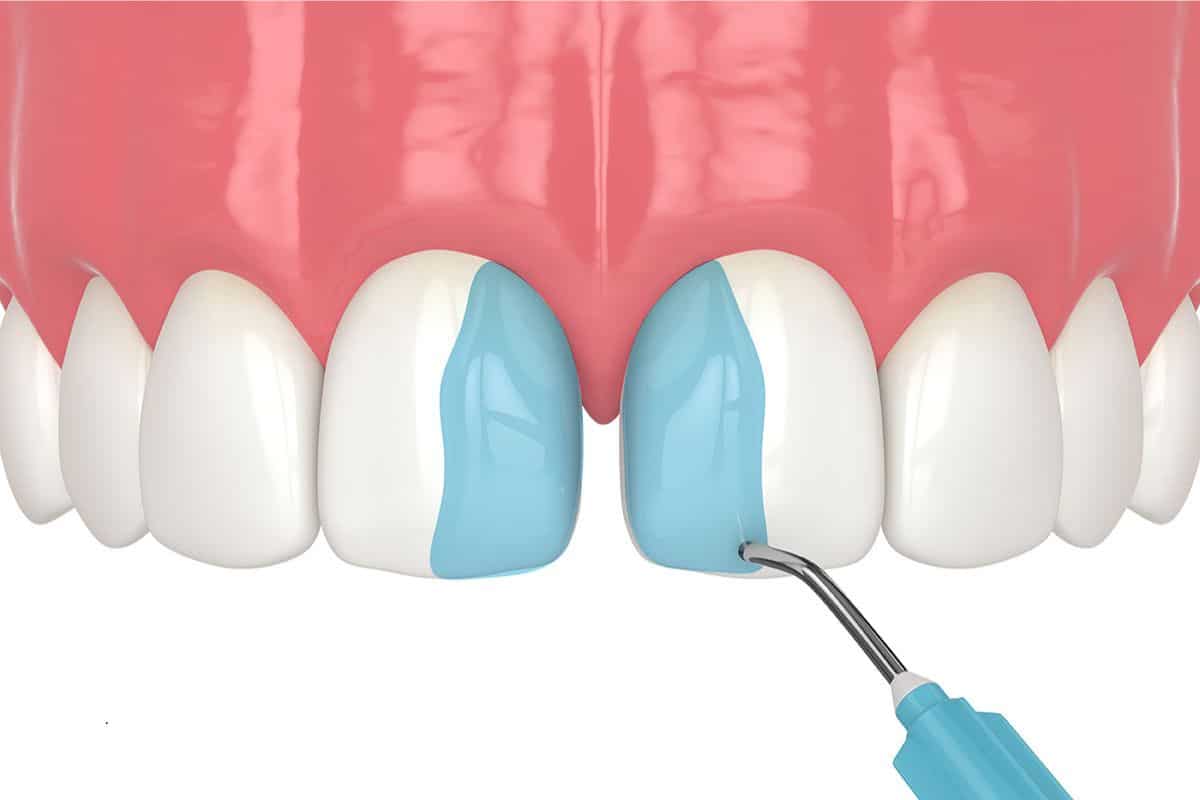
- Filling Gaps: Bonding can be used to close small gaps between teeth, providing a more even and harmonious smile.
- Concealing Discoloration: Stained or discolored teeth can be covered with the resin to achieve a brighter and whiter smile.
- Reshaping Misaligned Teeth: Bonding can alter the shape and size of teeth, making them appear more uniform and well-aligned.
- Protecting Exposed Roots: In cases of gum recession, dental bonding can protect exposed tooth roots and reduce sensitivity.
The Dental Bonding Procedure
Understanding the dental bonding process is essential to knowing what to expect. Here are the typical steps involved:
- Consultation: The process begins with a consultation with your dentist. During this visit, you will discuss your dental concerns and desired outcomes. Your dentist will examine your teeth and determine if dental bonding is the appropriate solution.
- Preparation: In most cases, local anesthesia is not required for dental bonding, as it is a minimally invasive procedure. The dentist will prepare the tooth’s surface by roughening it slightly and applying a conditioning liquid to facilitate better bonding of the resin.
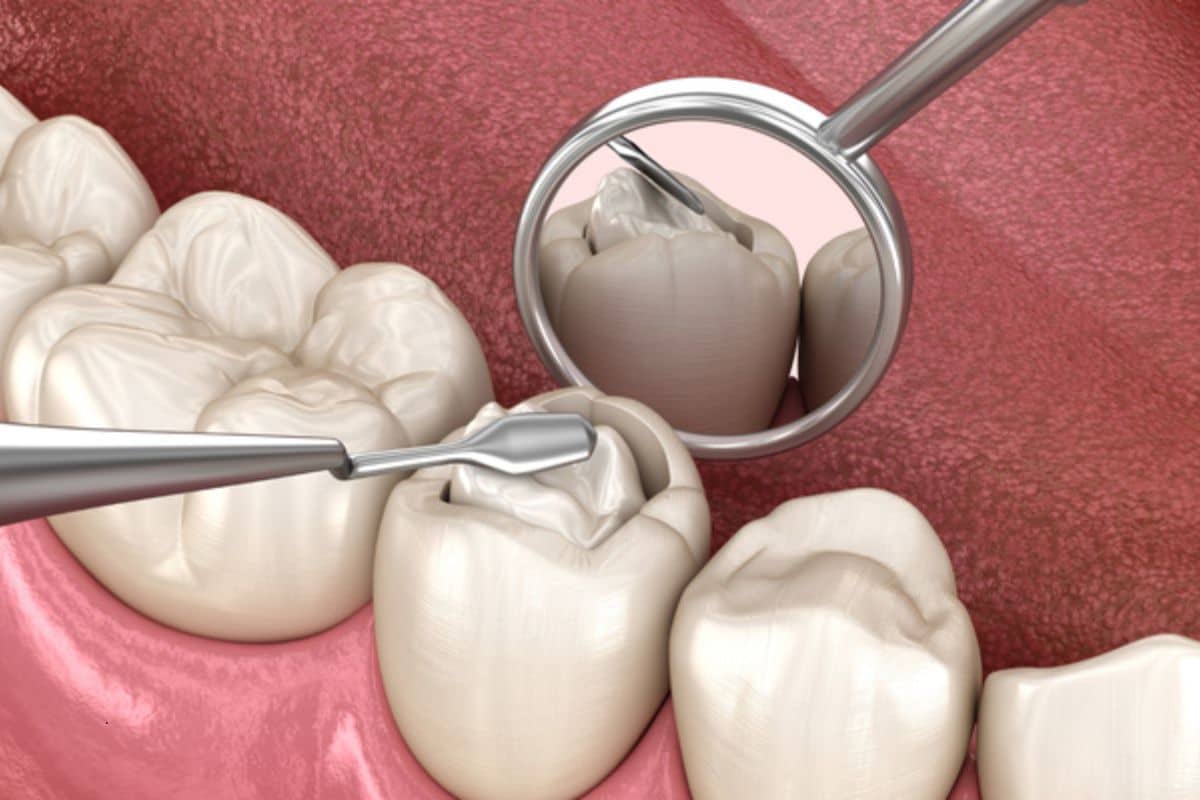
- Bonding: The tooth-colored resin is applied to the prepared tooth. Your dentist will carefully shape and mold the resin to match the natural contours of your teeth.
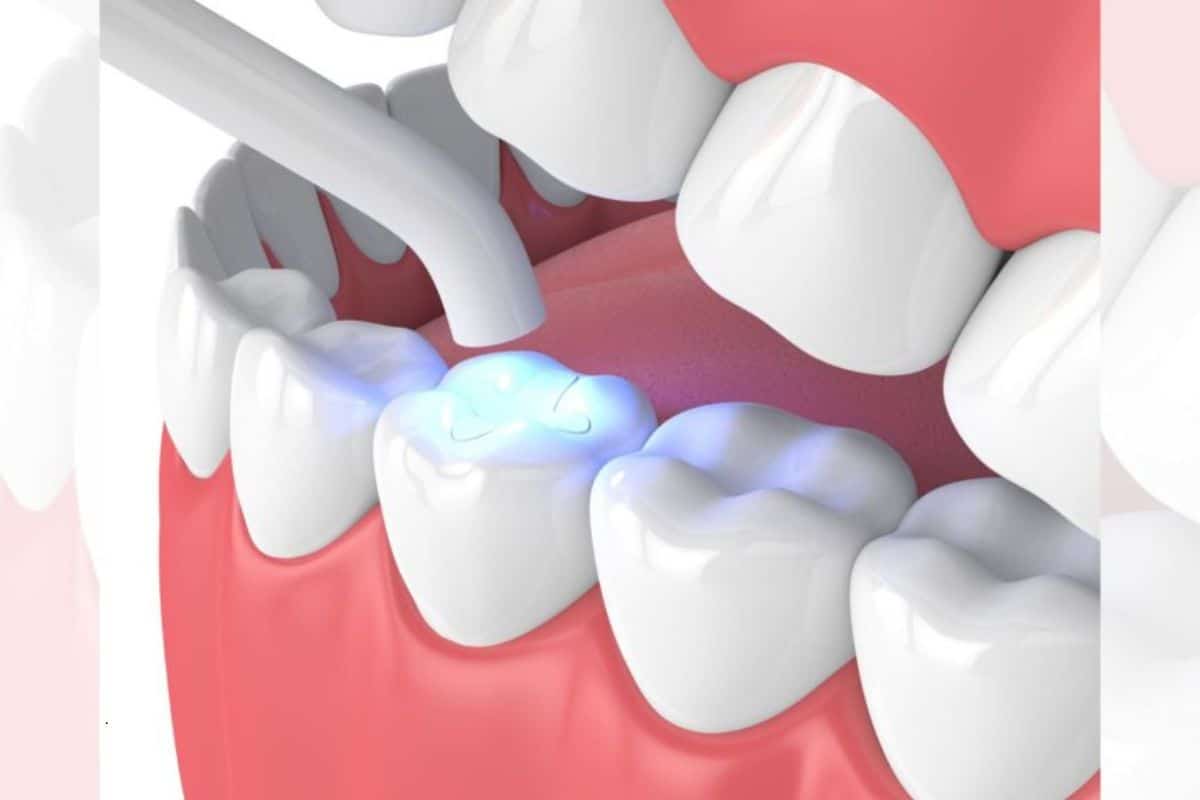
- Curing: A special curing light is used to harden the resin material. This process usually takes just a few minutes per tooth.
- Finishing Touches: After the resin has hardened, your dentist will trim and polish it to ensure it seamlessly blends with your natural teeth and provides a smooth finish.
Advantages of Dental Bonding
Dental bonding offers several advantages, making it a popular choice for many patients:
- Minimally Invasive: Unlike some other dental procedures, dental bonding usually requires little to no removal of the natural tooth structure.
- Quick and Painless: The entire procedure can often be completed in one visit, and most patients experience minimal discomfort.
- Affordable: Dental bonding is a cost-effective option compared to some other cosmetic dentistry procedures.
- Natural Appearance: The tooth-colored resin used in bonding is highly customizable and can be matched to the exact shade of your natural teeth.
Maintenance and Longevity
With proper care, dental bonding can last for several years. However, it’s essential to follow these maintenance tips to ensure the longevity of your bonded teeth:
- Good Oral Hygiene: Brush and floss regularly to prevent staining and maintain the health of your natural teeth.
- Avoid Staining Agents: Minimize consumption of foods and beverages that can stain the resin, such as coffee, tea, and red wine.
- Regular Dental Checkups: Visit your dentist for routine checkups to ensure your bonded teeth remain in excellent condition.
Conclusion
Dental bonding is a versatile and effective solution for enhancing the aesthetics of your smile and addressing various dental imperfections. By understanding the procedure, its advantages, and the necessary maintenance, you can make an informed decision about whether dental bonding is the right choice for you. If you have concerns about your teeth’s appearance, consider scheduling a consultation with a qualified dentist to explore your options for achieving the smile you’ve always wanted.