(203) 272-7271

How Long Does Tooth Bonding Last?


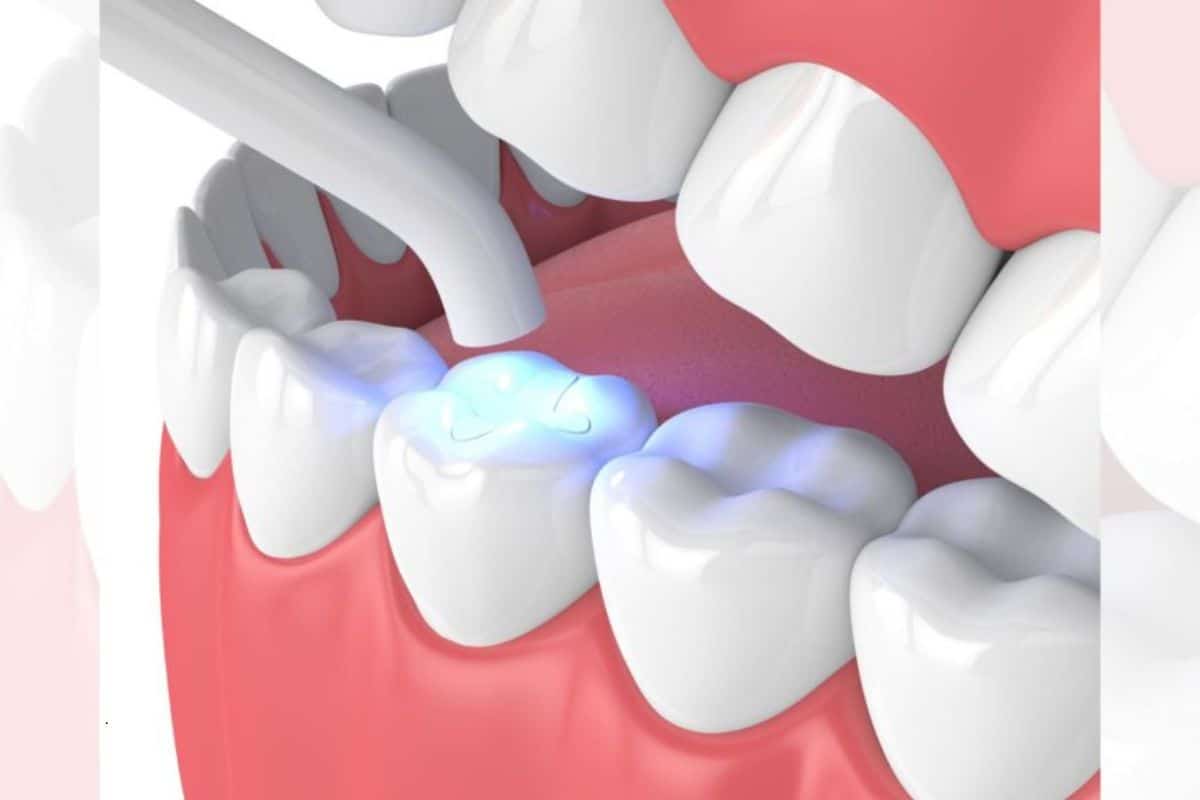
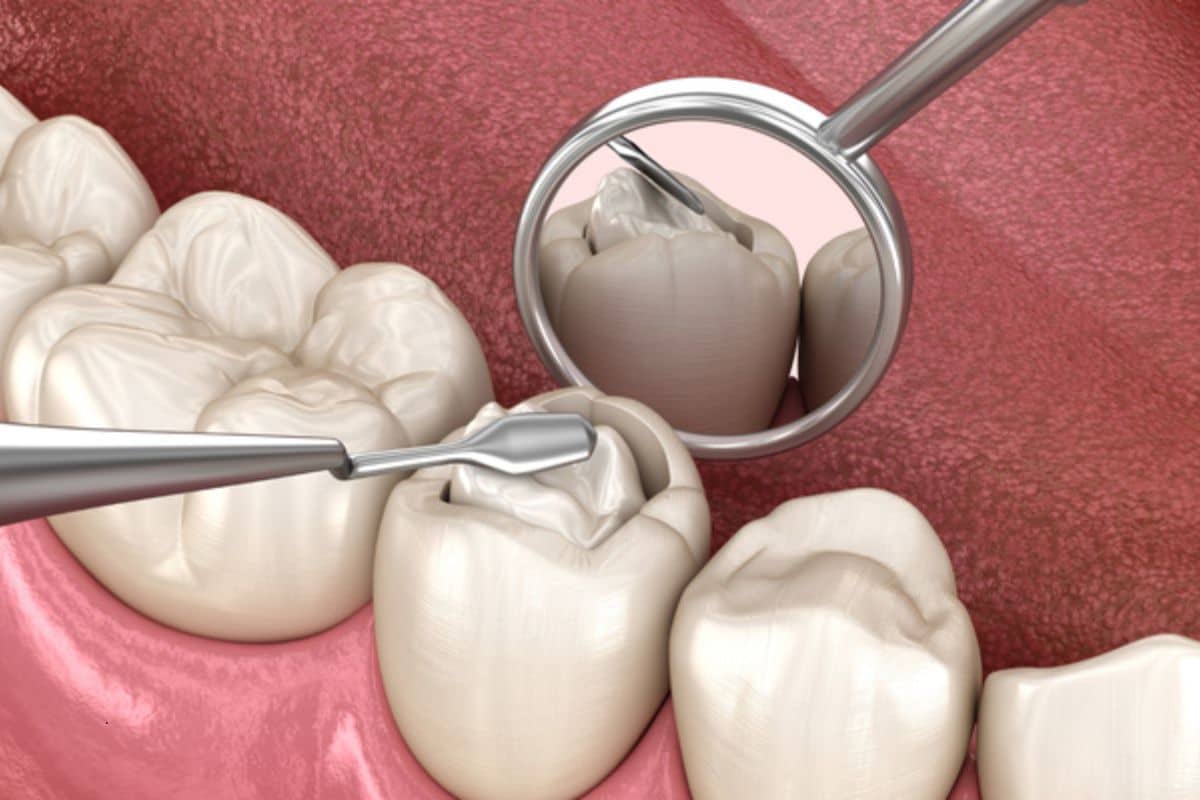
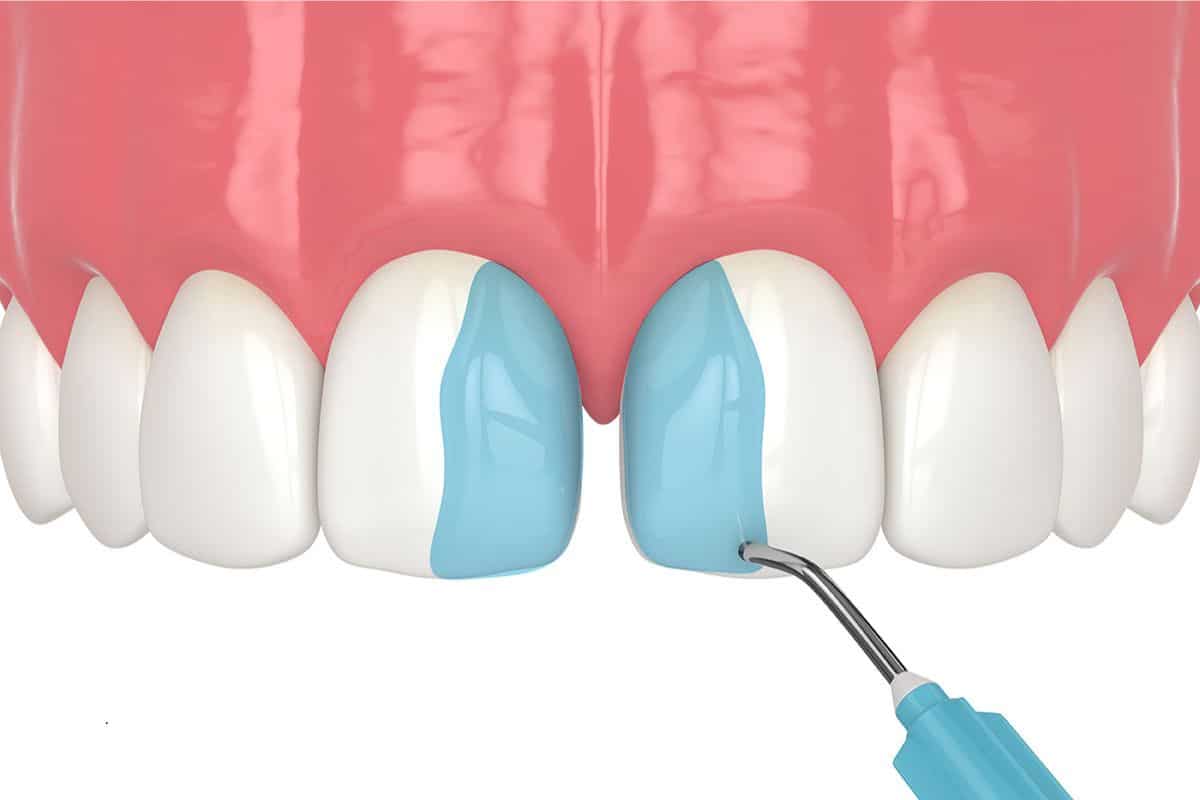
Tooth bonding is a popular cosmetic dental procedure used to fix minor imperfections like chipped, cracked, or discolored teeth. The process involves applying a tooth-colored resin to the affected tooth and shaping it to restore a natural appearance. Many people choose bonding as an affordable and quick solution compared to veneers or crowns. But one common question remains: how long does tooth bonding last?
The Average Lifespan of Tooth Bonding
The durability of tooth bonding depends on various factors, including oral habits, the location of the bonded tooth, and how well it is maintained. On average, dental bonding can last between 3 to 10 years before it needs to be repaired or replaced. The lifespan varies for each person, and proper care plays a crucial role in maintaining its longevity.
Factors That Affect the Longevity of Tooth Bonding
Several factors determine how long tooth bonding will last. Some of the most significant factors include:
1. Location of the Bonded Tooth
Bonding on the front teeth, which experience less pressure, typically lasts longer. However, if bonding is done on the molars or areas where heavy chewing occurs, it may wear down faster due to repeated force.
2. Oral Habits
Certain habits can reduce the lifespan of dental bonding. These include:
- Biting on hard objects like pens, nails, or ice
- Using teeth as tools to open packages
- Chewing hard foods such as nuts and candies
- Grinding or clenching teeth, which puts excessive pressure on the bonded area
3. Oral Hygiene Practices
Good oral hygiene significantly affects the durability of tooth bonding. Brushing twice a day, flossing daily, and visiting the dentist for regular cleanings help maintain both natural teeth and bonded areas.
4. Dietary Choices
Certain foods and drinks can stain the composite resin used in tooth bonding. Beverages like coffee, tea, and red wine, as well as highly pigmented foods, may cause discoloration over time. Limiting these items can help keep bonding looking fresh and natural.
5. Quality of the Bonding Material
Not all dental bonding materials are the same. The quality of the composite resin used by the dentist can impact how long the bonding lasts. Choosing an experienced dental professional for bonding procedures ensures high-quality materials and proper application.
How to Extend the Life of Tooth Bonding
While tooth bonding does not last forever, there are ways to prolong its lifespan and maintain its appearance.
1. Practice Good Oral Hygiene
Brushing and flossing daily help prevent plaque buildup, which can weaken the bonding material over time. Using a soft-bristled toothbrush and non-abrasive toothpaste is recommended to avoid scratching the bonded surface.
2. Avoid Staining Foods and Drinks
Since composite resin can stain, reducing the intake of foods and drinks that cause discoloration can help maintain the bonding’s natural look. If consuming staining beverages, using a straw can minimize direct contact with the teeth.
3. Wear a Mouthguard if Necessary
If you grind your teeth at night, wearing a mouthguard can prevent excessive pressure on the bonded areas, reducing the risk of cracks or damage.
4. Avoid Bad Habits
Refraining from biting on hard objects, such as ice or fingernails, will help prevent unnecessary stress on the bonding material.
5. Schedule Regular Dental Checkups
Routine dental visits allow the dentist to check the condition of the bonding and address any early signs of wear or damage. If needed, they can make minor repairs before more significant issues arise.
When Should Tooth Bonding Be Replaced?
Over time, bonded teeth may develop signs of wear, discoloration, or even minor cracks. If you notice any of the following, it might be time to replace or repair the bonding:
- Visible stains that cannot be removed with brushing
- Chips or cracks in the bonding material
- Rough edges or uneven surfaces
- Sensitivity in the bonded tooth
Consulting a professional can help determine whether a simple touch-up or a full replacement is needed.
Is Tooth Bonding the Right Option for You?
Tooth bonding is an excellent choice for those looking for a cost-effective and minimally invasive way to improve their smile. While it does not last as long as veneers or crowns, it remains a great option for minor cosmetic fixes.For those considering dental bonding in Cheshire, seeking advice from an experienced dental professional is essential. A skilled dentist can provide personalized recommendations based on individual needs and help achieve long-lasting results.
Conclusion
Tooth bonding is a reliable cosmetic solution that can last for several years with proper care. While it is not permanent, following good oral hygiene practices, avoiding harmful habits, and scheduling regular dental checkups can significantly extend its lifespan. If you are considering bonding or need repairs, consulting a trusted dentist can ensure the best outcome for your smile.