(203) 272-7271
Dental Bonding 101: Enhancing Your Smile with a Simple Procedure


Enhancing your smile has never been easier with the simple and effective procedure known as dental bonding. Whether you have chipped, stained, or misaligned teeth, dental bonding can help transform your smile into one you’ll be proud to show off. In this blog post, we will explore what dental bonding is all about, the numerous benefits it offers, and how to properly care for your bonded teeth.
What is Dental Bonding?
Dental bonding is a cosmetic dental procedure that involves the application of a tooth-colored resin material to repair and enhance the appearance of your teeth. It is a popular choice for those looking to improve their smile without undergoing extensive treatments.
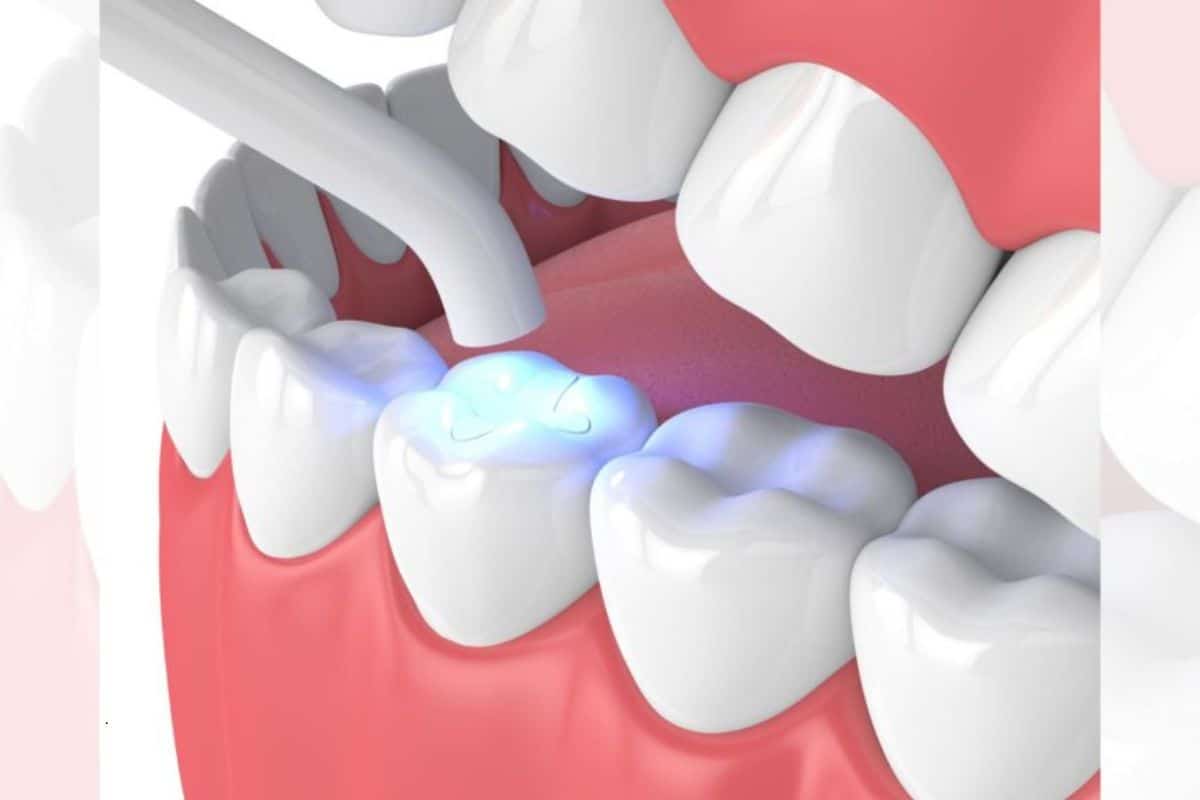
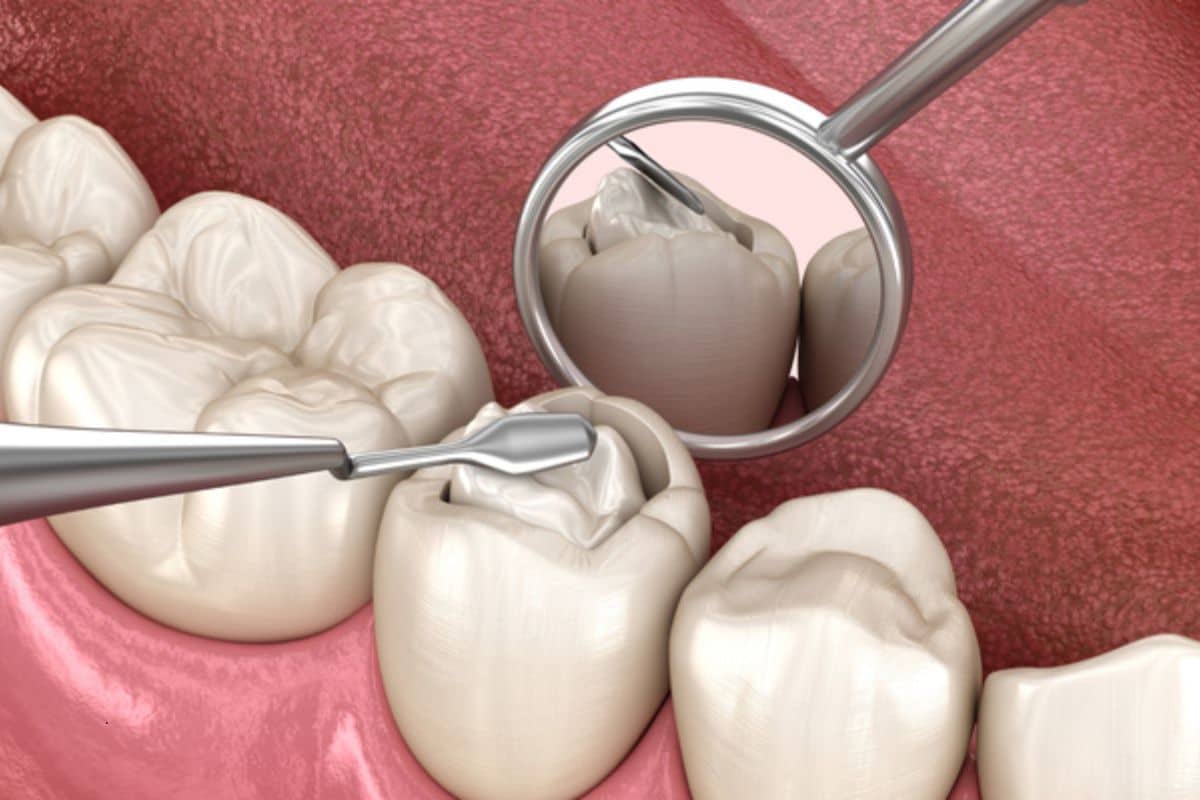
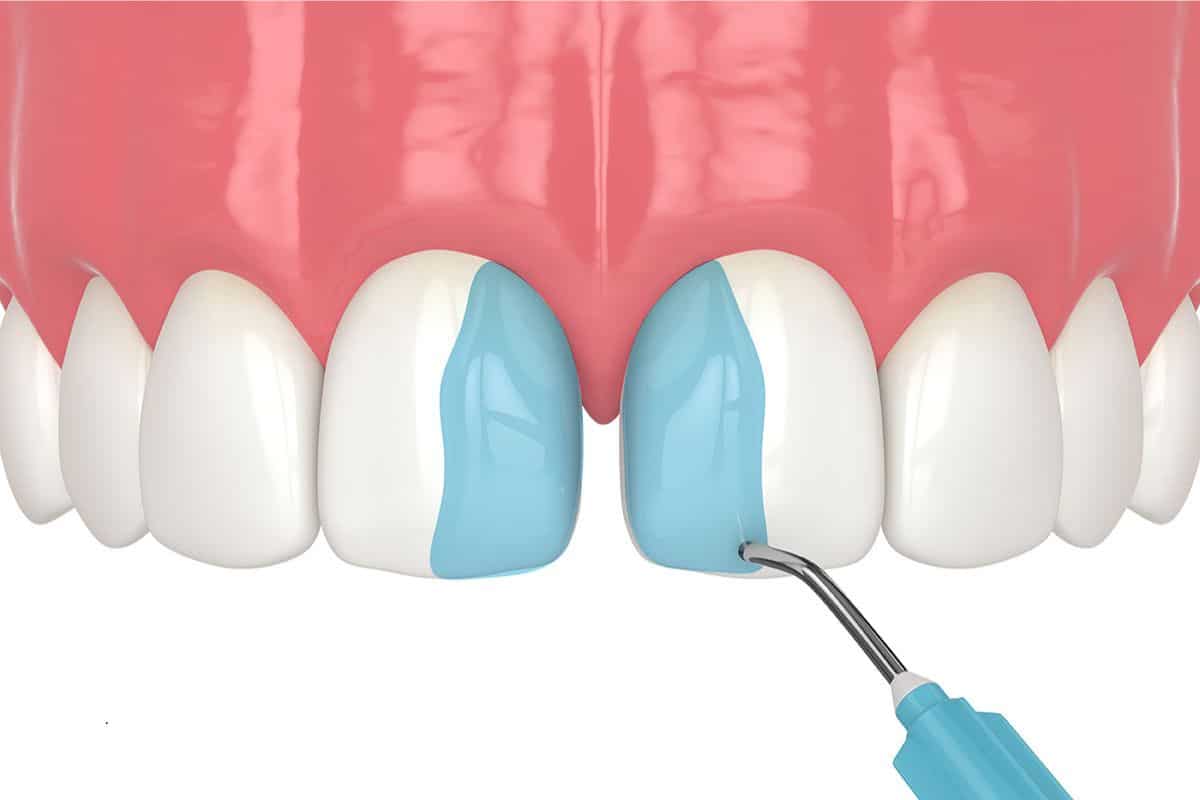
The process starts with your dentist preparing the surface of the tooth by roughening it slightly. This allows for better adhesion of the bonding material. Next, a special adhesive is applied, followed by layers of the composite resin which are carefully sculpted and shaped to match your natural teeth.
One of the main advantages of dental bonding is its versatility. It can be used to address various dental issues such as repairing chips or cracks, filling in gaps between teeth, reshaping uneven or worn-down teeth, and even covering up stains or discoloration.
Not only does dental bonding provide immediate results, but it also requires minimal enamel removal compared to other procedures like veneers or crowns. This makes it a conservative option that preserves more of your natural tooth structure.
In addition to its aesthetic benefits, dental bonding is also relatively affordable when compared to other cosmetic dentistry options. The procedure can usually be completed in just one visit to your dentist’s office, making it convenient for those with busy schedules.
Benefits of Dental Bonding
Dental bonding is a simple, yet effective procedure that can enhance your smile in numerous ways. One of the main benefits of dental bonding is its ability to repair and restore chipped or cracked teeth. By using a tooth-colored resin material, dentists can seamlessly bond it to the affected tooth, creating a natural-looking restoration.
Another advantage of dental bonding is its versatility. Not only can it be used for cosmetic purposes such as changing the shape or color of teeth, but it can also be utilized to fill small cavities. This eliminates the need for more invasive treatments like dental crowns or veneers..
Aftercare and Maintenance
Now that you understand the benefits of dental bonding and how it can enhance your smile, it’s important to know how to properly care for and maintain your bonded teeth. By following a few simple guidelines, you can ensure that your newly transformed smile stays beautiful for years to come.
First and foremost, practicing good oral hygiene is essential. Brushing your teeth at least twice a day with a soft-bristled toothbrush and fluoride toothpaste will help keep your bonded teeth clean. Be sure to pay extra attention to the areas where the bonding material meets your natural tooth to remove any plaque or food particles.
Flossing daily is equally important in maintaining optimal oral health after dental bonding. Gently slide the floss between each tooth, making sure to reach below the gumline. This will help prevent any buildup of bacteria or plaque around the bonded area.
In addition to regular brushing and flossing, it’s crucial to schedule routine check-ups with your dentist. They will be able to monitor the condition of your bonded teeth and address any potential issues before they become major problems. During these visits, professional cleaning may also be recommended to remove any stubborn stains or tartar buildup.
Avoid biting down on hard objects such as ice cubes or pens, as this could potentially damage the bonding material. If you participate in contact sports or other activities that pose a risk of facial injury, consider wearing a mouthguard for added protection.
Limit consumption of foods and beverages that are known for causing staining such as coffee, tea, red wine, and berries. Although dental bonding is stain-resistant compared to natural teeth enamel, excessive exposure over time may still result in discoloration.
By exploring the intricacies of dental bonding, we’ve witnessed its ability to restore confidence and radiance through subtle yet impactful changes. Its non-invasive nature and swift application offer a beacon of hope to those seeking to revitalize their smiles without extensive procedures. Ultimately, dental bonding transcends being a mere dental technique; it becomes a canvas for dentists to artistically sculpt and refine smiles, instilling newfound confidence and joy in every patient. Book your appointment today!