
Can You Get Dental Implants With Gum Disease?

If you have gum disease and are missing one or more teeth, you may wonder whether dental implants are still an option. This matters because gum health plays a major role in the tissues and bone that support both natural teeth and dental implants.
The short answer is that having a history of gum disease does not automatically mean you cannot get dental implants. However, active periodontal disease generally needs to be addressed before implant treatment is considered. Your dentist must also evaluate the condition of your gums, jawbone, remaining teeth, and overall oral health.
For patients considering dental implants in Cheshire, understanding the relationship between periodontal health and implant treatment can help you have a more productive conversation with your dental team.
Why Does Gum Disease Matter for Dental Implants?
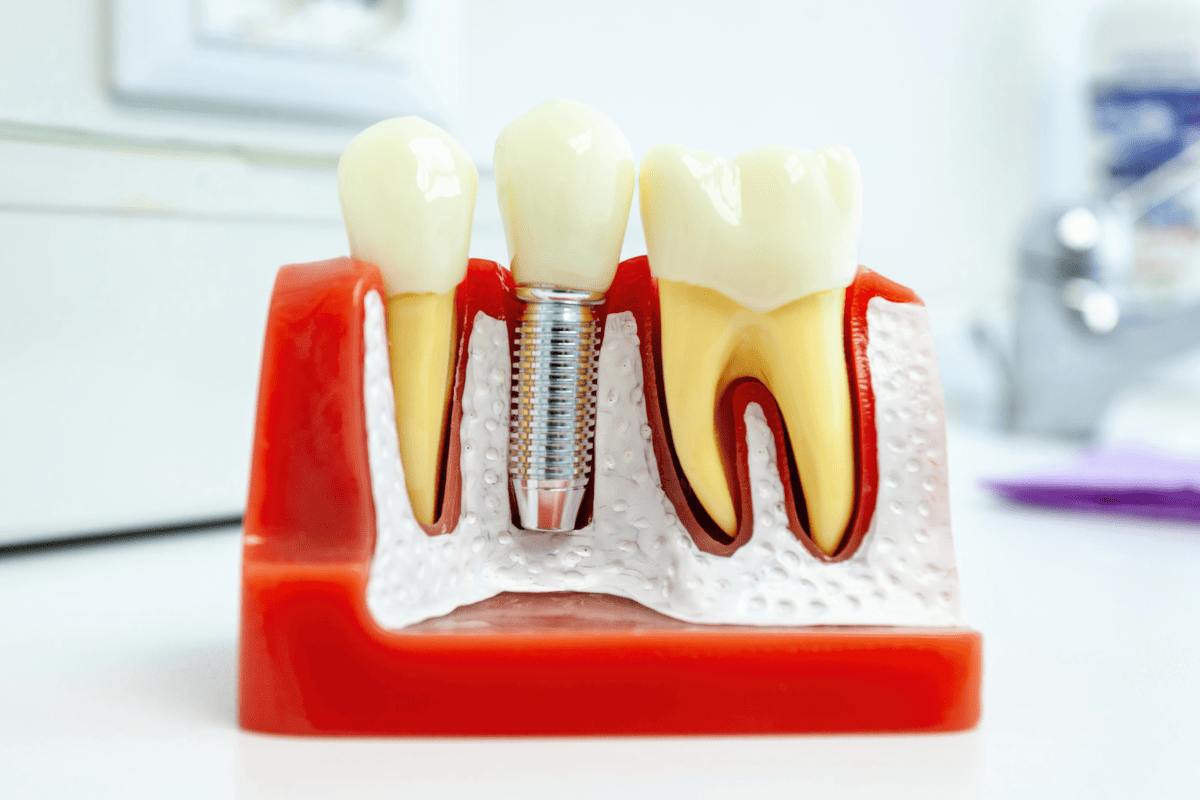
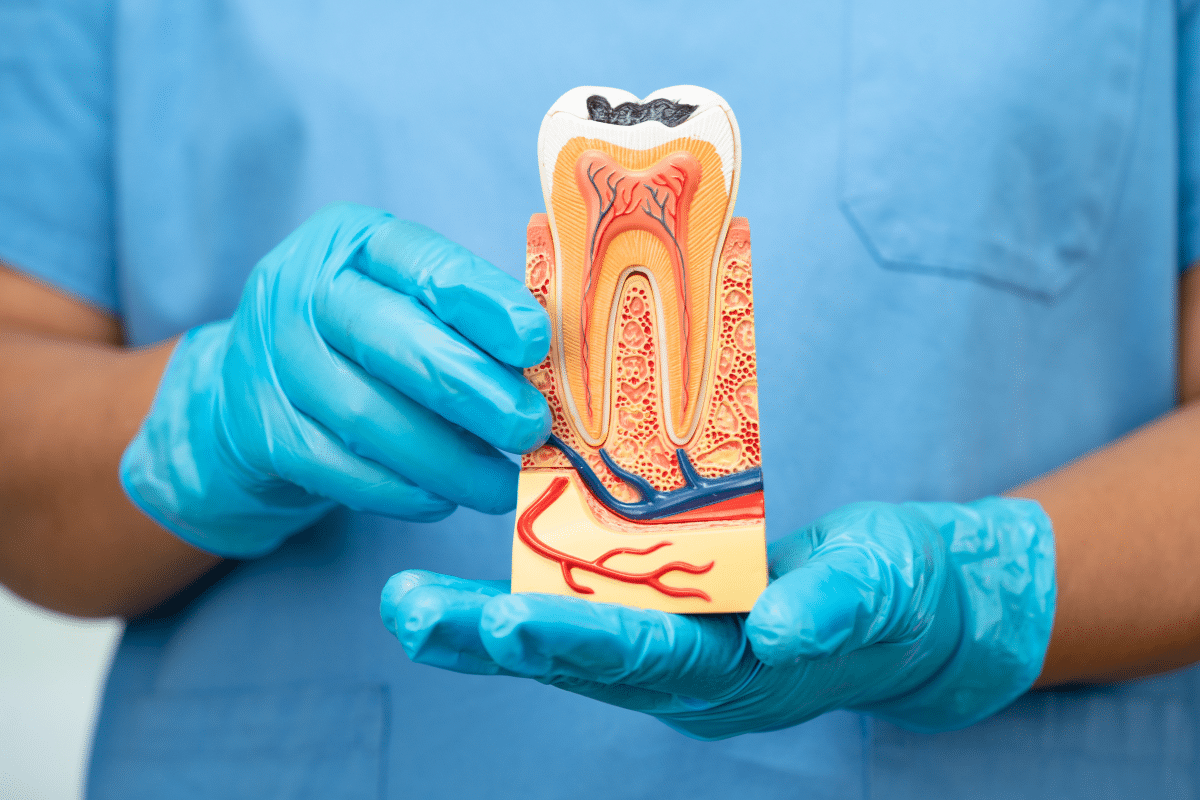
Gum disease, particularly periodontitis, affects more than the visible gum tissue. As the disease progresses, it can damage the structures that support your teeth, including the bone surrounding their roots.
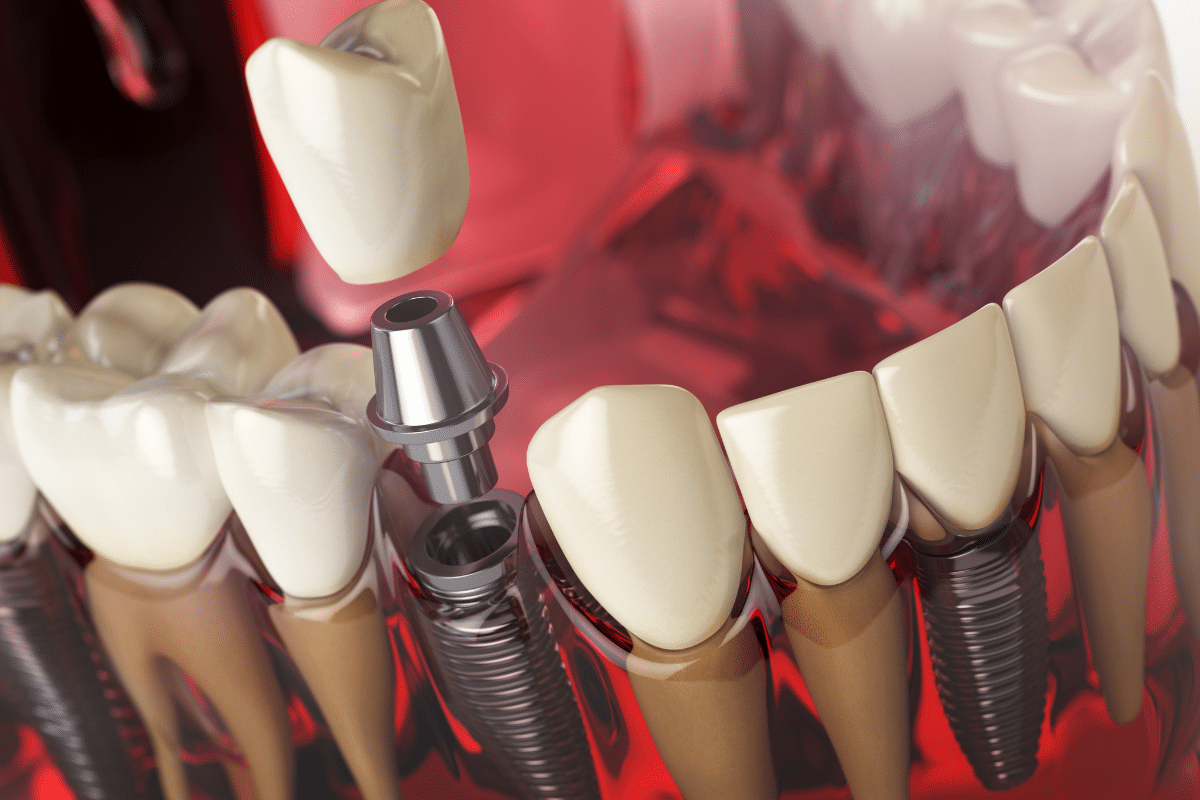
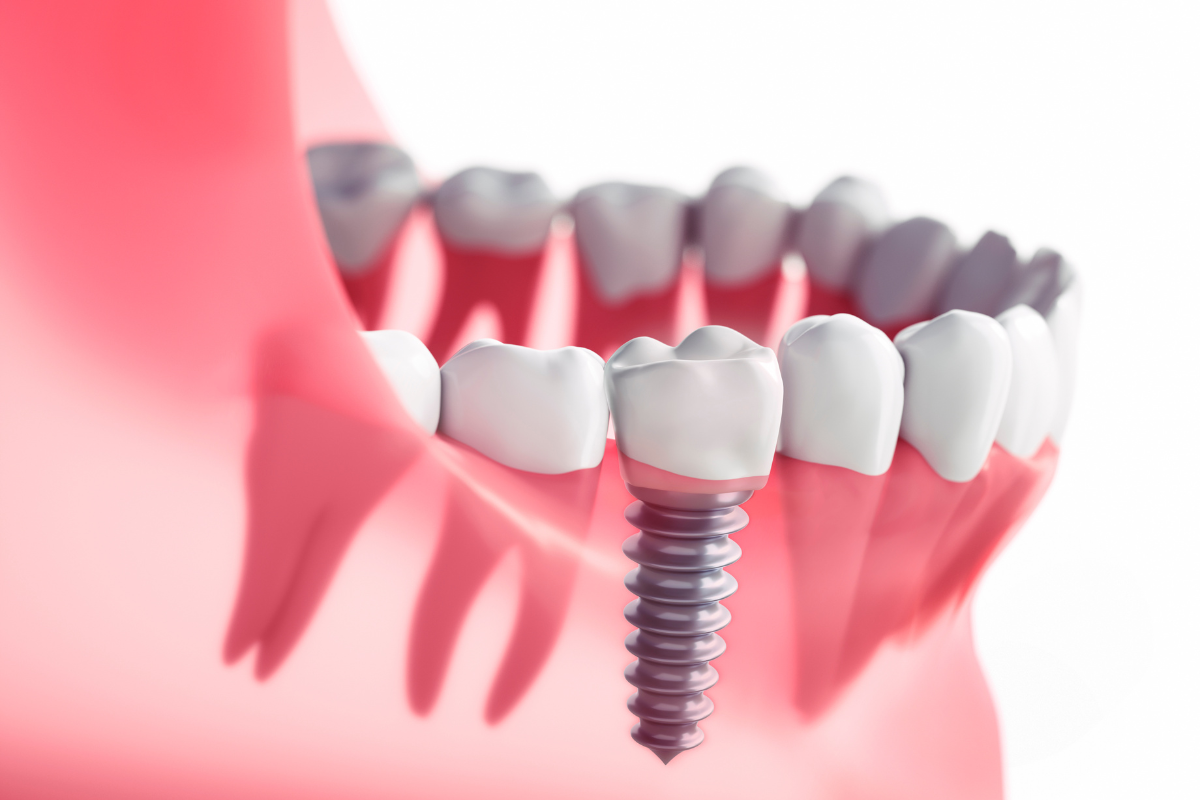
That matters when considering a dental implant because an implant also depends on healthy surrounding tissues and adequate bone for support.
The American Dental Association describes periodontitis as an inflammatory disease that can cause loss of periodontal tissue attachment and alveolar bone. Treatment is designed to control the disease and establish an environment that can be maintained in health.
The American Academy of Periodontology similarly identifies healthy gum tissues and adequate jawbone as important considerations when evaluating someone for dental implants.
So, if you currently have untreated gum disease, the first step may not be implant placement. It may be getting your periodontal health under control.
Can You Get Dental Implants If You Have Gum Disease?
Potentially, yes. but active gum disease may need to be treated first.
There is an important difference between:
- Having a history of gum disease that has been treated and is being maintained
- Having active periodontal disease that is currently causing inflammation, bleeding, infection, attachment loss, or bone loss
A previous diagnosis does not necessarily eliminate implant treatment as an option. In fact, dental implants can be used to replace teeth lost because of periodontal disease. The American Academy of Periodontology lists periodontal disease among the reasons a person may have lost a tooth that could subsequently be replaced with an implant.
However, the disease should be appropriately managed before moving forward.
Your dentist may need to evaluate the health of your gums, measure periodontal pockets, assess bone levels, review your oral hygiene, and determine whether additional periodontal treatment is necessary.
What Happens If You Get an Implant With Active Gum Disease?
One of the biggest concerns is not simply whether an implant can be placed, but whether the tissues around it can remain healthy afterward.
Dental implants can develop inflammatory conditions around the implant, collectively referred to as peri-implant diseases. The American Academy of Periodontology describes two major categories: peri-implant mucositis, involving inflammation of the soft tissue, and peri-implantitis, which also involves deterioration of supporting bone.
A history of periodontal disease is one of the factors associated with increased risk of peri-implant disease. Other factors identified in recent consensus and research include poor plaque control, smoking, uncontrolled diabetes, and certain site-specific factors.
That is why implant treatment should be viewed as more than a surgical procedure. The health of the tissues before treatment and the maintenance afterward both matter.
Do You Have to Treat Gum Disease Before Getting an Implant?
In many cases, active periodontal disease needs to be brought under control before implant placement.
The exact treatment depends on the severity and extent of the disease.
Mild Gum Inflammation
Early gum problems may be addressed through professional cleaning, improved home care, and closer monitoring.
The appropriate treatment depends on what your dental examination shows. Not every patient with gum inflammation requires the same treatment.
Periodontitis
When periodontal disease has progressed beyond simple gum inflammation, treatment may involve more comprehensive periodontal care.
Depending on the individual situation, this can include:
- Scaling and root planing
- Improved daily plaque control
- Periodontal maintenance visits
- Monitoring of gum pocket depths
- Treatment of areas with persistent inflammation
- Additional periodontal procedures when clinically necessary
The goal is to create a healthier environment that can be maintained over time. The ADA notes that periodontal treatment can be nonsurgical or surgical depending on individual patient, site, and systemic factors.
What If Gum Disease Has Caused Bone Loss?
This is where implant planning can become more involved.
Advanced periodontal disease can result in loss of the bone that once supported your natural teeth. Because dental implants are placed into the jawbone, your dentist needs to determine whether there is enough suitable bone at the planned implant site.
That does not necessarily mean implants are impossible.
In some situations, additional procedures may be considered to improve the available foundation for an implant. The American Academy of Periodontology notes that ridge modification and other bone-building procedures may be used when inadequate bone structure makes implant placement difficult.
Your treatment plan may therefore involve:
Periodontal evaluation → disease control → bone assessment → implant planning → implant placement → restoration → ongoing maintenance
The order and timing can vary considerably from one patient to another.
Can You Get Implants After Losing Teeth From Gum Disease?
Yes, tooth loss caused by periodontal disease does not automatically rule out future implant treatment.
The important question is the condition of your mouth now.
For example, a patient who previously had periodontal disease but has successfully completed treatment and maintains healthy gums may have a different implant outlook from someone with active, uncontrolled periodontitis.
Your dentist may evaluate:
- Current gum inflammation
- Periodontal pocket depths
- Gum recession
- Bone levels
- Remaining teeth
- Oral hygiene
- Bite and chewing forces
- Smoking status
- Relevant medical conditions
- Previous periodontal treatment
This individualized assessment is much more useful than determining implant candidacy based solely on whether you have ever had gum disease.
What About Gum Disease Around an Existing Dental Implant?
Gum health remains important after an implant has been placed.
Although an implant is not a natural tooth, the tissues around it can still become inflamed. The American Academy of Periodontology recommends regular brushing, flossing, and professional checkups to help maintain implant health.
Watch for changes such as:
- Red or tender tissue around the implant
- Bleeding during brushing or cleaning
- Persistent swelling
- Changes around the gumline
- Discomfort around the implant
- Increasing difficulty keeping the area clean
These symptoms do not automatically mean an implant is failing, but they should not be ignored.
Early evaluation can help determine whether inflammation is present and what treatment may be appropriate.
How Can You Reduce the Risk of Gum Problems Around Implants?
Once an implant is placed, maintenance becomes part of protecting your investment in your oral health.
Maintain Daily Oral Hygiene
Brush your teeth regularly and clean between your teeth and around the implant as recommended by your dental team.
The goal is to minimize plaque accumulation around the teeth and implant-supported restoration.
Keep Regular Dental Appointments
Professional examinations allow your dental team to monitor the implant, surrounding gums, remaining natural teeth, and overall oral health.
This is particularly important for patients with a history of periodontal disease.
Follow Your Personalized Periodontal Maintenance Plan
If you have previously had periodontitis, your dental team may recommend a maintenance schedule based on your individual needs rather than relying on a one-size-fits-all interval.
Address Risk Factors
Smoking, poor plaque control, and certain systemic health conditions can affect periodontal and peri-implant health. Recent expert consensus identifies these and other patient- and site-related factors as relevant to peri-implant disease risk.
Your dentist can help you understand which factors are relevant to your particular situation.
How Does a Dentist Determine Whether You’re Ready for an Implant?
There is no single test that determines whether someone with gum disease can receive a dental implant.
Instead, your dentist may look at several aspects of your oral health.
Gum Health
Your gums should be evaluated for inflammation, periodontal pockets, bleeding, recession, and other signs of active disease.
Bone Levels
Imaging can help your dental team evaluate the bone surrounding the proposed implant site.
Condition of Your Remaining Teeth
If you still have natural teeth affected by periodontal disease, those teeth may need attention as part of your overall treatment plan.
Your Overall Health
Certain medical conditions and medications can affect healing or implant treatment planning. Your dental team should review your medical history before treatment.
Your Ability to Maintain the Implant
Implant treatment does not eliminate the need for oral hygiene. Your willingness and ability to maintain the implant and attend recommended follow-up appointments are important parts of long-term care.
Does a History of Gum Disease Mean Implants Will Fail?
No.
A history of gum disease should be taken seriously, but it does not mean that implant treatment is automatically unsuccessful.
The more useful question is whether the periodontal disease is currently controlled and whether the patient can maintain healthy tissues around the implant.
Research and professional guidance recognize previous periodontitis as a risk factor for peri-implant disease, which is why periodontal health and ongoing maintenance deserve particular attention in these patients.
This is also why your dentist may recommend treating periodontal problems before moving ahead with implant placement.
Why a Comprehensive Evaluation Matters
It can be tempting to search for a simple answer such as “yes” or “no” when you’re considering implants with gum disease. In reality, the answer depends on your individual oral health.
Two patients can both have a history of gum disease while having very different periodontal conditions today.
One may have stable, well-maintained gums and adequate bone. Another may have active inflammation and significant bone loss that requires treatment before implant placement can be considered.
At Advanced Dentistry in Cheshire, our team evaluates your dental concerns as part of your overall oral health rather than looking at a missing tooth in isolation. Our services include restorative treatment for damaged or missing teeth, and our approach is based on evaluating your individual needs and treatment goals.
Frequently Asked Questions
Can I get dental implants if I currently have gum disease?
It depends on the condition and severity of your gum disease. Active periodontal disease may need to be treated and controlled before implant placement. A dental examination can determine what steps are appropriate.
Can I get implants if gum disease caused my tooth loss?
Possibly. A history of tooth loss from periodontal disease does not automatically rule out implants. Your current gum health, bone levels, remaining teeth, overall health, and ability to maintain good oral hygiene all need to be considered.
Do dental implants prevent gum disease?
No. Dental implants do not make you immune to inflammation or infection around the implant. The tissues surrounding implants can develop peri-implant disease, which is why daily cleaning and regular professional care remain important.
What if gum disease caused bone loss?
Your dentist will need to evaluate the amount and quality of bone available at the proposed implant site. Depending on the situation, additional bone-building or other preparatory treatment may be considered before implant placement.
How do I know if I’m a candidate for dental implants in Cheshire?
A comprehensive dental evaluation is the best way to determine whether implants are appropriate for you. Your dentist can assess your gums, bone, remaining teeth, bite, medical history, and treatment goals before recommending an individualized plan.
Restore Your Smile With a Healthier Foundation
Having gum disease today or having a history of periodontal disease does not necessarily close the door on dental implants. What matters is understanding the condition of your gums and supporting bone and addressing active problems before moving forward when necessary.
If you’re considering dental implants in Cheshire, CT, Advanced Dentistry can evaluate your oral health and discuss appropriate tooth-replacement options. Our team can help you understand what needs to be addressed first and what your next steps may look like.
Schedule a consultation with Advanced Dentistry to discuss your missing teeth, gum health, and whether dental implants may be appropriate for your smile.