(203) 272-7271
Dental Implants vs. Bridges: Which Tooth Replacement Option Is Right for You?

Losing a tooth can affect much more than the appearance of your smile. It can change the way you chew, impact your speech, and even influence your confidence in social or professional settings. While some people delay replacing a missing tooth because it isn’t immediately painful, doing so can lead to additional oral health concerns over time, including shifting teeth, bite changes, and bone loss.
The good news is that modern dentistry offers reliable solutions to restore both the function and appearance of your smile. Two of the most common options are dental implants and dental bridges. Each treatment has its own advantages, and the right choice depends on factors such as your oral health, lifestyle, budget, and long-term goals.
If you’re researching dental implants Cheshire, you’re likely looking for a solution that not only replaces a missing tooth but also feels natural and lasts for years. At Advanced Dentistry, we help patients throughout Cheshire, Connecticut, understand their options and choose a treatment plan that fits their individual needs. Rather than recommending the same solution for everyone, we believe in educating patients so they can make confident decisions about their oral health.
Let’s explore how dental implants and dental bridges compare, and what you should consider before making your choice.
Why Replacing a Missing Tooth Matters
Many people assume that losing a single tooth isn’t a serious problem, especially if it’s toward the back of the mouth. However, every tooth plays an important role in keeping your smile healthy and balanced.
When a tooth is lost and left untreated, neighboring teeth can gradually shift into the space. This movement may affect your bite, make cleaning more difficult, and increase the risk of future dental problems.
Missing teeth can also lead to:
- Difficulty chewing certain foods
- Changes in speech
- Uneven pressure on surrounding teeth
- Jawbone deterioration over time
- A smile that looks older than it should
Replacing a missing tooth isn’t simply about appearance; it’s an important step in maintaining long-term oral health.
Understanding Dental Implants
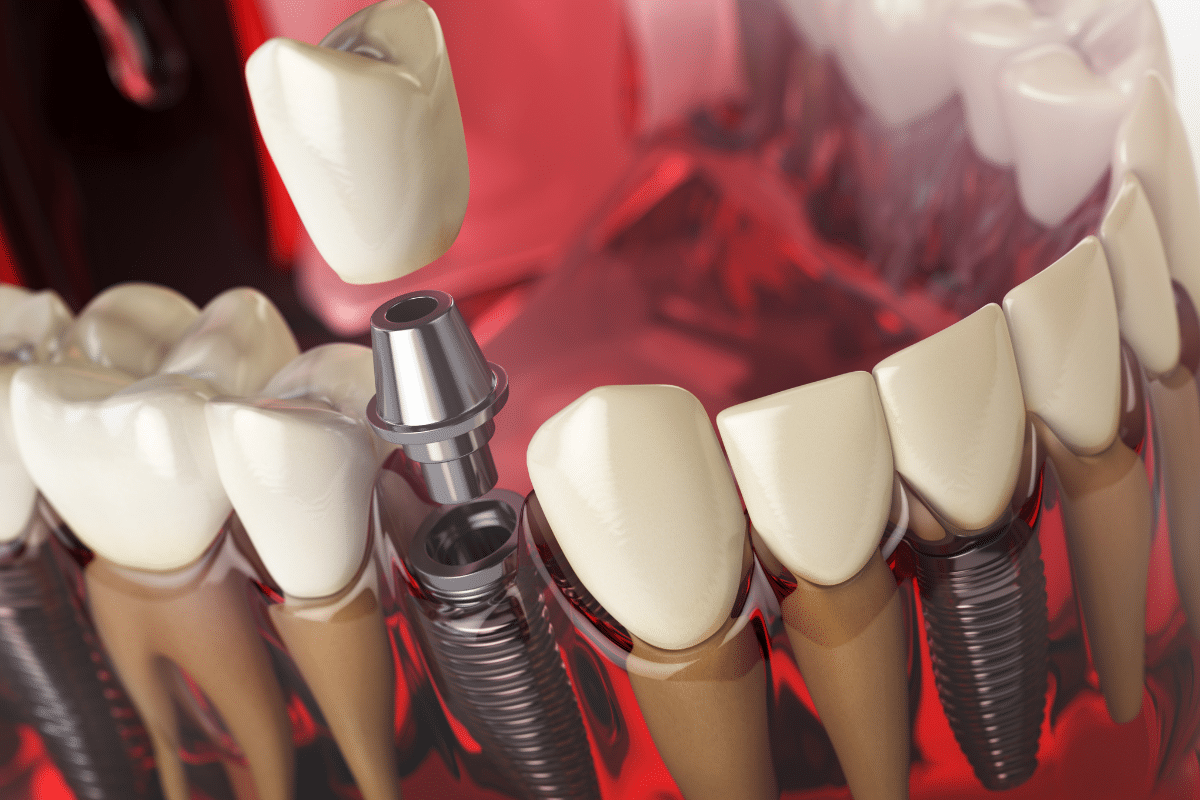
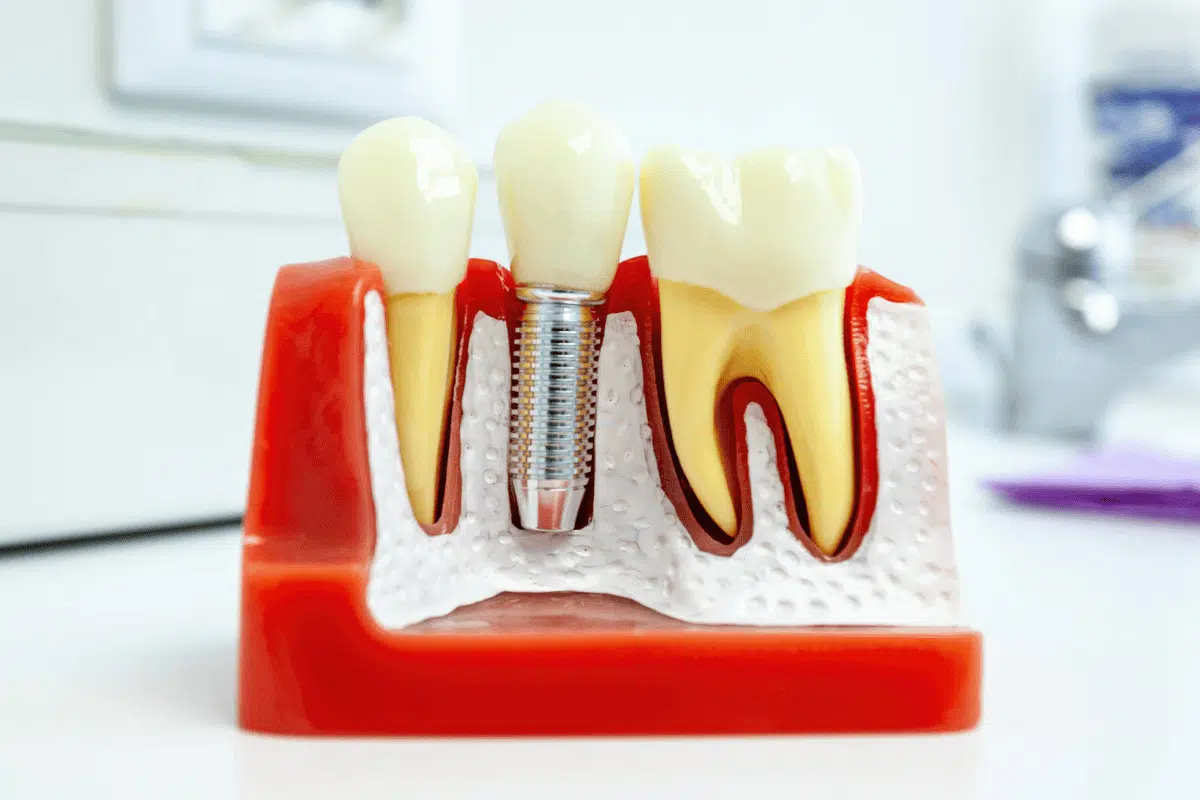
A dental implant is designed to replace both the root and the visible portion of a missing tooth.
The treatment involves placing a small titanium post into the jawbone, where it gradually fuses with the surrounding bone during the healing process. Once the implant has integrated successfully, a custom-made dental crown is attached, creating a replacement that closely resembles a natural tooth.
One of the biggest advantages of implants is that they function independently. Unlike some other tooth replacement options, they don’t rely on neighboring teeth for support.
Patients often choose dental implants because they:
- Look and feel like natural teeth
- Help preserve jawbone density
- Restore strong chewing ability
- Blend naturally with surrounding teeth
- Can last for many years with proper care
For patients with healthy gums and adequate jawbone, dental implants are often considered one of the most predictable long-term solutions for replacing missing teeth.
How Dental Bridges Restore Your Smile
A dental bridge replaces one or more missing teeth by using the healthy teeth on either side of the gap for support.
Instead of placing an artificial root into the jawbone, the replacement tooth is secured between two dental crowns that fit over the neighboring teeth.
Bridges have been used successfully for many years and remain an excellent option for many patients.
A dental bridge may be recommended when:
- The teeth beside the gap are already restored with crowns.
- An implant isn’t suitable because of medical or anatomical reasons.
- A patient prefers a treatment that doesn’t involve surgery.
- The missing tooth needs to be replaced within a shorter treatment timeline.
When properly maintained, a dental bridge can restore both appearance and function while helping prevent nearby teeth from shifting.
Comparing Dental Implants and Bridges
Although both treatments replace missing teeth, they work in different ways and offer different long-term benefits.
Appearance
Both dental implants and bridges are designed to blend naturally with your smile. Modern materials closely match the color and shape of surrounding teeth, making either option aesthetically pleasing.
Stability
Dental implants are anchored directly into the jawbone, giving them a secure and natural feel during everyday activities like eating and speaking.
Bridges rely on neighboring teeth for support, making them stable as well, but they don’t replace the missing tooth root.
Jawbone Health
One of the biggest differences between these treatments is what happens beneath the gums.
Because an implant replaces the tooth root, it continues to stimulate the jawbone during chewing. This helps maintain bone density over time.
A bridge restores the visible tooth but doesn’t stimulate the underlying bone, which means gradual bone loss may still occur in the area where the tooth is missing.
Longevity
With good oral hygiene and regular dental visits, dental implants often last for decades.
Dental bridges are also durable but may require replacement sooner due to normal wear or changes affecting the supporting teeth.
Rather than asking which option is “better,” it’s more helpful to ask which treatment is better for your specific situation.
Which Option Is Right for You?
Every patient’s smile is unique, which is why there isn’t a one-size-fits-all answer.
A dentist will consider several factors before recommending treatment, including:
- The condition of your surrounding teeth
- Your gum health
- Bone density in the jaw
- Number of missing teeth
- Overall medical history
- Long-term oral health goals
For example, someone with excellent bone support may benefit greatly from dental implants, while another patient may be better served by a bridge because of existing restorations or personal preferences.
The best decision comes after a comprehensive examination and a discussion about your priorities.
The Importance of Early Treatment
It’s common for patients to postpone replacing a missing tooth, especially if the gap isn’t visible when they smile.
However, waiting too long can create additional challenges.
Over time, surrounding teeth may shift, making replacement more complicated. Bone loss can also reduce the support available for future treatment, particularly for dental implants.
Seeking care sooner rather than later often provides more treatment options and can help preserve your long-term oral health.
Personalized Tooth Replacement at Advanced Dentistry
Choosing between a dental implant and a bridge is an important decision, and having the guidance of an experienced dental team can make the process much easier.
At Advanced Dentistry, we provide personalized treatment plans based on your oral health, lifestyle, and long-term goals. Rather than recommending a standard solution, we carefully evaluate your smile and explain the advantages of each option so you can make an informed decision.
Serving patients throughout Cheshire, Connecticut, our team is committed to restoring healthy, functional smiles with modern techniques and compassionate care. Whether you’re replacing one missing tooth or exploring options for multiple teeth, we’re here to help you move forward with confidence.
Frequently Asked Questions
Are dental implants better than dental bridges?
Neither treatment is universally better. Dental implants often provide greater long-term benefits for eligible patients, while bridges remain an excellent solution in many situations. The right choice depends on your individual oral health and treatment goals.
How long do dental implants last?
With proper care, good oral hygiene, and regular dental checkups, dental implants can last for decades. Their longevity depends on factors such as overall health, bone support, and daily maintenance.
Does getting a dental implant hurt?
The implant procedure is performed using local anesthesia, and many patients are surprised that it’s more comfortable than they expected. Some soreness during healing is normal and can usually be managed with recommended aftercare.
Can everyone get dental implants?
Not always. Healthy gums and sufficient jawbone are important for successful implant treatment. During your consultation, your dentist will determine whether you’re a suitable candidate or recommend alternative solutions if needed.
How do I know which option is right for me?
The best way to decide is through a comprehensive dental evaluation. Your dentist will assess your oral health, discuss your goals, and recommend the treatment that offers the best long-term outcome for your smile.
Restore Your Smile with Confidence
Living with a missing tooth can affect more than your appearance; it can influence your oral health, confidence, and quality of life. Whether a dental implant or a bridge is the right solution, replacing a missing tooth is an investment in your long-term well-being.
If you’re considering dental implants Cheshire, the team at Advanced Dentistry is here to help. We provide comprehensive tooth replacement solutions and personalized guidance to help you choose the option that best fits your smile and lifestyle.
Book Now to schedule your consultation and take the first step toward restoring a healthy, confident smile.