(203) 272-7271

Dental Fillings vs. Crowns: What’s the Difference?

When a tooth becomes damaged by decay, a crack, or everyday wear, one of the first questions patients ask us is, “Do I need a filling, or will I need a crown?”
At Advanced Dentistry, we know that hearing different treatment options can sometimes feel overwhelming. While both dental fillings and crowns are designed to restore damaged teeth, they serve different purposes depending on the condition of your tooth. Choosing the right treatment at the right time can help preserve your natural smile, restore comfortable chewing, and prevent more extensive dental problems in the future.
If you’re researching dental fillings Cheshire, understanding how fillings and crowns differ is a great first step. During your visit, we’ll carefully evaluate your tooth, explain your treatment options, and recommend the solution that best supports your long-term oral health.
What Is a Dental Filling?
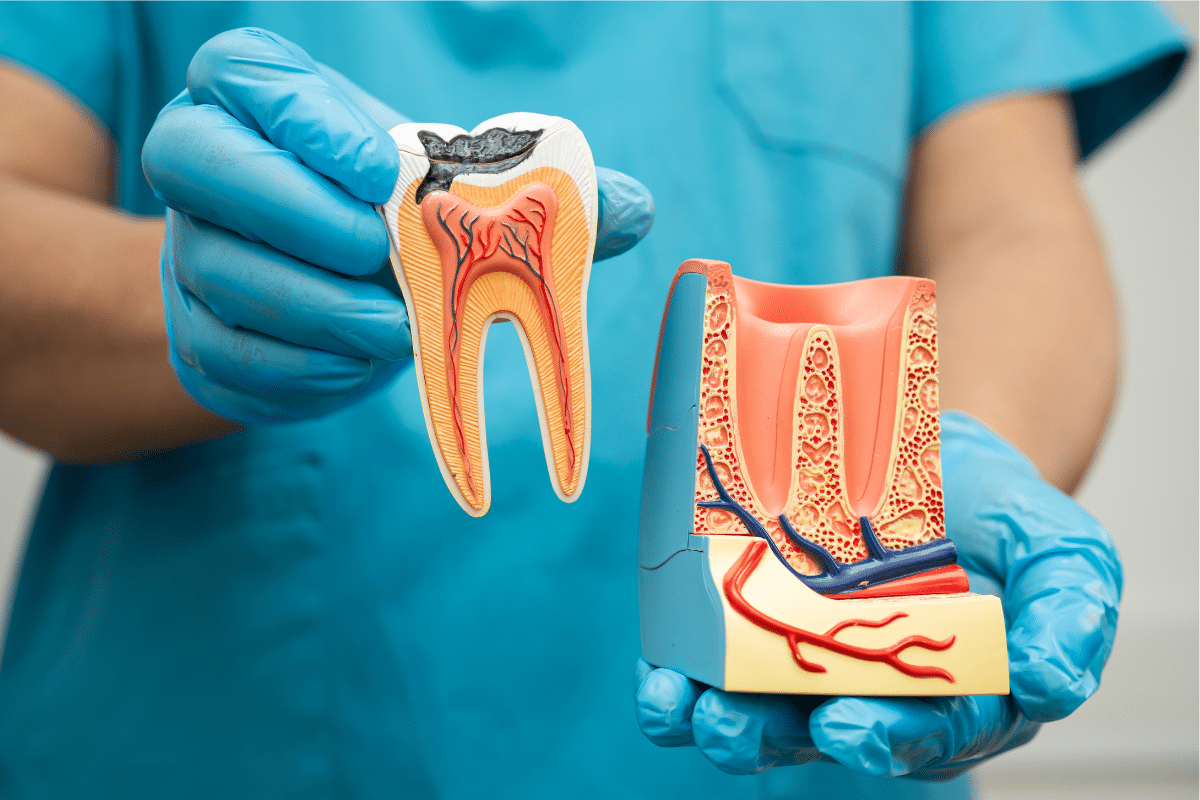
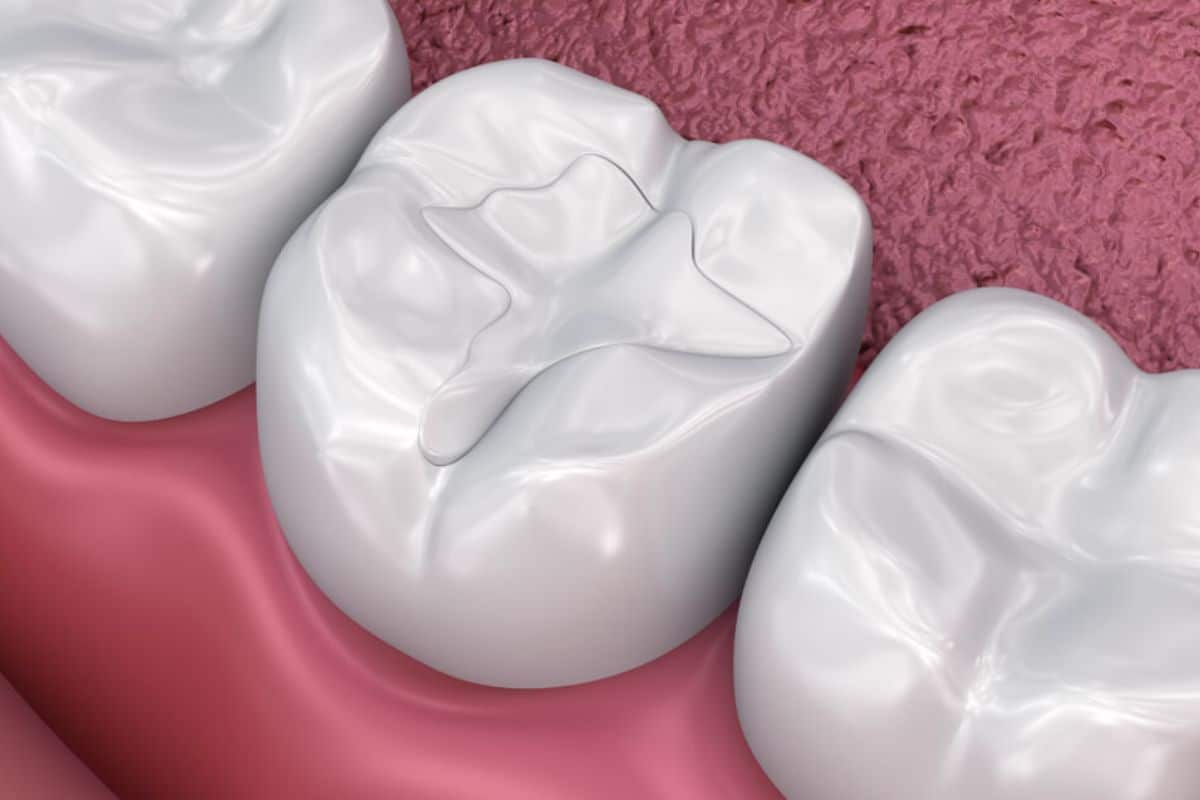
A dental filling is one of the most common restorative treatments we provide. Fillings are typically used when a tooth has been affected by a cavity, a small fracture, or minor wear, but still has enough healthy structure to remain strong.
During treatment, we remove the damaged or decayed portion of the tooth before restoring it with a durable filling material. This helps protect the tooth while restoring its strength and function.
Depending on your individual needs, filling materials may include:
- Composite resin
- Ceramic
- Glass ionomer
- Amalgam
- Gold
For many patients, we recommend tooth-colored composite fillings because they blend naturally with surrounding teeth while providing dependable support.
What Is a Dental Crown?
A dental crown is different from a filling because it covers the entire visible portion of the tooth rather than repairing only one section.
We often recommend crowns when a tooth has lost too much structure to be safely restored with a filling alone. By covering the tooth completely, a crown helps restore strength while protecting it from additional damage.
Dental crowns may be made from:
- Porcelain
- Ceramic
- Zirconia
- Porcelain fused to metal
- Metal alloys
Modern crowns are designed to look and feel like natural teeth while providing long-lasting protection.
The Biggest Difference Between Fillings and Crowns
Although both treatments restore damaged teeth, the amount of remaining healthy tooth structure usually determines which option is best.
When a Filling Is the Better Choice
We typically recommend a filling when:
- The cavity is relatively small.
- Most of the tooth remains healthy.
- The tooth is still structurally strong.
- Damage is limited to one area.
Because fillings preserve more of your natural tooth, they’re often the most conservative treatment whenever possible.
When a Crown Is the Better Choice
A crown may be the better solution if:
- The tooth is severely decayed.
- A large portion of the tooth has broken away.
- The tooth has significant cracks.
- A previous large filling has weakened the tooth.
- Root canal treatment has been completed.
Every smile is unique, which is why we always evaluate your individual situation before recommending treatment.
When Do We Recommend Dental Fillings?
One of our goals is to preserve as much healthy tooth structure as possible. When decay is detected early, a filling is often all that’s needed to restore the tooth.
We commonly recommend fillings for:
- Cavities
- Small chips
- Minor fractures
- Worn enamel
- Replacing old or damaged fillings
Treating these problems early helps prevent them from progressing into larger issues that may eventually require crowns or more extensive restorative care.
Benefits of Dental Fillings
Many of our patients appreciate fillings because they’re both effective and conservative.
Some of the biggest advantages include:
Preserves More of Your Natural Tooth
Since we only remove the damaged portion of the tooth, most of the healthy structure remains intact.
Completed in One Visit
In many cases, fillings can be placed during a single appointment, allowing you to return to your normal routine quickly.
Natural Appearance
Composite fillings are carefully matched to the shade of your natural teeth, making them difficult to notice when you smile.
Cost-Effective Treatment
Because fillings require less preparation and fewer materials than crowns, they’re generally a more affordable restorative option.
Stops Decay from Progressing
Removing decay early helps protect the remaining healthy tooth structure and reduces the likelihood of more complex treatment later.
For many patients searching for dental fillings Cheshire, early treatment provides an opportunity to restore their smile while avoiding larger restorative procedures.
When Do We Recommend Dental Crowns?
While fillings are ideal for smaller areas of damage, some teeth require additional protection.
We may recommend a dental crown when a tooth has:
- Extensive decay
- A large fracture
- Significant wear
- Structural weakness
- Been treated with root canal therapy
- Cosmetic concerns affecting its appearance
Rather than simply repairing one portion of the tooth, a crown reinforces the entire visible surface, helping protect it during everyday biting and chewing.
Benefits of Dental Crowns
Crowns provide several important advantages for teeth that need greater support.
Stronger Protection
Because the crown covers the entire tooth, it helps distribute chewing forces more evenly and reduces the risk of future fractures.
Long-Term Durability
With proper care and regular dental visits, crowns can continue protecting your tooth for many years.
Restores Natural Appearance
Today’s crowns are carefully designed to match the shape, color, and contours of your surrounding teeth, allowing them to blend naturally into your smile.
Helps Preserve Your Natural Tooth
Whenever possible, we’d rather restore your existing tooth than remove it. A crown often provides the reinforcement needed to keep a weakened tooth healthy and functional for years to come.
Choosing between a filling and a crown isn’t about selecting the “better” treatment—it’s about selecting the treatment that’s right for your specific dental needs.
How We Decide Between a Filling and a Crown
Every tooth is different, which means there’s no one-size-fits-all solution. Before recommending treatment, we perform a thorough examination to evaluate the condition of your tooth, your bite, and your overall oral health.
Here are some of the key factors we consider.
How Much Healthy Tooth Structure Remains
One of the most important considerations is how much of the natural tooth is still intact.
If most of the tooth is healthy and only a small area has been affected by decay or damage, a filling is often enough to restore its strength and function.
However, if a significant portion of the tooth has been lost, a crown may provide the protection needed to prevent future fractures.
Which Tooth Is Affected
The location of the tooth also plays an important role.
Back teeth, such as molars, absorb much greater chewing pressure than front teeth. Even if two teeth have similar-sized cavities, a molar may benefit from a crown because it experiences significantly more force during everyday chewing.
Whether the Tooth Has Cracks
Cracked teeth can be unpredictable. While a filling repairs areas affected by decay, it doesn’t always provide enough support for a tooth with structural cracks.
In many cases, a crown helps hold the tooth together while reducing the risk of the crack spreading further.
Previous Dental Work
We also consider your tooth’s history.
If you’ve had several fillings placed over the years, the remaining tooth structure may become weaker. Replacing another large filling with an even larger one isn’t always the best long-term solution.
Instead, a crown may provide better protection and improve the tooth’s overall stability.
Your Smile Goals
While restoring your oral health is always our priority, appearance matters too.
If a tooth has noticeable discoloration, an unusual shape, or extensive wear, a crown may improve both its function and its appearance, creating a healthier-looking smile.
During your consultation, we’ll explain our findings, answer your questions, and help you understand why a particular treatment is recommended.
What to Expect During Treatment
Although fillings and crowns both restore damaged teeth, the treatment process is different.
Receiving a Dental Filling
Getting a filling is usually a straightforward procedure that can often be completed in a single visit.
Your appointment generally includes:
- Numbing the treatment area
- Removing the damaged or decayed portion of the tooth
- Cleaning the tooth thoroughly
- Placing the filling material
- Shaping and polishing the restoration
Once completed, your tooth is ready to function normally again, and the filling blends naturally with your smile.
Receiving a Dental Crown
Because a crown covers the entire tooth, the process requires additional planning.
Treatment typically includes:
- A comprehensive examination
- Digital imaging or impressions
- Carefully reshaping the tooth
- Placing a temporary crown if needed
- Seating your custom-made permanent crown
We ensure that every crown fits comfortably, functions properly, and complements the appearance of your surrounding teeth before completing your treatment.
Which Restoration Lasts Longer?
Both fillings and crowns are designed to be durable, but their lifespan depends on several factors, including the material used, your oral hygiene habits, and the amount of pressure placed on the tooth.
With proper care:
- Composite fillings often last several years before they may need replacement.
- Crowns can protect a tooth for many years when maintained with regular dental visits and good oral hygiene.
The best way to extend the life of any restoration is by brushing twice daily, flossing every day, and scheduling routine dental checkups so we can monitor your oral health.
Can a Filling Become a Crown Later?
Yes. This is something we see fairly often.
A tooth that initially receives a filling may eventually require a crown if:
- New decay develops around the filling.
- The filling wears down over time.
- The tooth becomes cracked.
- Additional tooth structure is lost.
That doesn’t mean the original filling failed. It simply means the tooth’s condition changed over time.
Regular dental examinations allow us to monitor existing restorations and recommend treatment before a small concern becomes a larger problem.
How You Can Reduce the Need for Restorative Treatment
Preventive care remains the best way to protect your smile and minimize the need for fillings or crowns in the future.
We encourage our patients to:
- Brush twice a day with fluoride toothpaste.
- Floss every day.
- Limit sugary foods and drinks.
- Wear a mouthguard if they grind their teeth.
- Visit us regularly for professional cleanings and examinations.
By identifying cavities early, we can often treat them with smaller, more conservative restorations before significant damage occurs.
Why Patients Choose Advanced Dentistry
At Advanced Dentistry, we believe restorative dentistry is about more than repairing damaged teeth; it’s about helping you maintain a healthy, comfortable smile for years to come.
When you visit our office, we take the time to understand your concerns, evaluate your oral health, and explain your treatment options clearly. We never recommend unnecessary procedures. Instead, we focus on providing personalized care based on what’s best for your individual smile.
Whether your tooth can be restored with a simple dental fillings Cheshire or requires the added protection of a crown, we’ll work with you to create a treatment plan that supports both your oral health and your long-term goals.
Frequently Asked Questions
Are dental fillings better than crowns?
Neither treatment is inherently better. Fillings are ideal for repairing small to moderate areas of damage, while crowns are better suited for teeth that have lost significant structure or require additional protection.
How do I know whether I need a filling or a crown?
The only way to know for sure is through a dental examination. We’ll evaluate the amount of remaining tooth structure, the location of the damage, and the overall strength of the tooth before recommending treatment.
Do crowns look like natural teeth?
Yes. Modern crowns are carefully crafted to match the color, shape, and appearance of your surrounding teeth, allowing them to blend naturally with your smile.
Can a dental filling fall out?
Although fillings are durable, they can wear down or become loose over time. Regular dental checkups allow us to monitor existing restorations and replace them if necessary.
Is getting a dental crown uncomfortable?
Most patients experience very little discomfort during treatment. We use local anesthesia to help keep you comfortable throughout the procedure and ensure your restoration fits properly before you leave.
Protect Your Smile with the Right Restorative Treatment
Both fillings and crowns play an important role in restoring damaged teeth, but choosing the right treatment depends on the condition of your tooth and your long-term oral health needs. Addressing decay or damage early often allows us to preserve more of your natural tooth while helping you avoid more extensive treatment in the future.
At Advanced Dentistry, we’re committed to providing personalized restorative care that helps you smile, eat, and speak with confidence. Whether you need a small filling or a custom dental crown, we’ll guide you through every step of the process and recommend the solution that’s right for you.
If you’re experiencing tooth sensitivity, discomfort, or think you may have a cavity or damaged tooth, don’t wait for the problem to become more serious. Book Now to schedule your appointment with our team and let us help you restore your smile’s health, strength, and appearance.