(203) 272-7271
Why Treating a Small Cavity Early Can Save You Bigger Dental Trouble in Cheshire

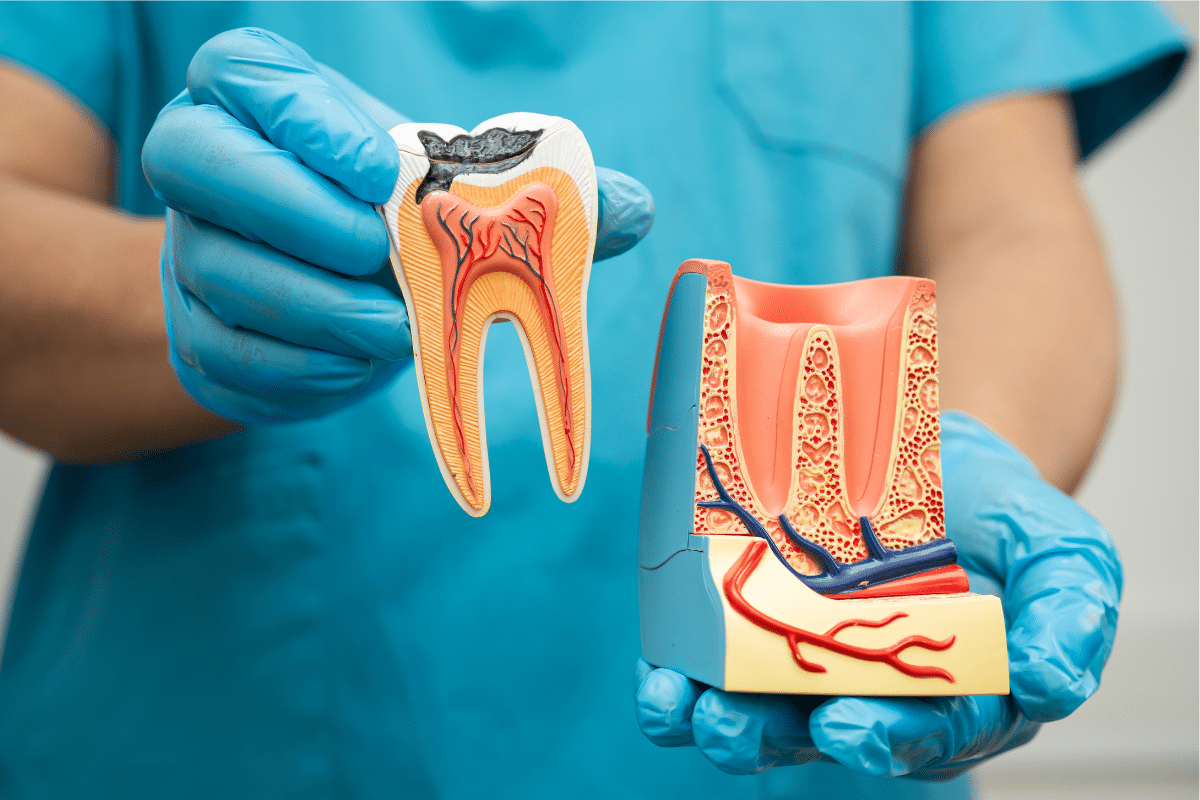
It’s surprisingly common for people to overlook a small cavity, especially when it doesn’t cause pain. A tiny dark spot on a tooth or mild sensitivity might not seem urgent, and many patients assume it can wait until their next routine dental visit. However, cavities rarely stay small for long. Tooth decay is a progressive condition, meaning it gradually worsens over time if left untreated.
For many residents in Cheshire, busy schedules and mild symptoms often lead to delays in treatment. Unfortunately, what begins as a minor cavity can slowly spread deeper into the tooth structure, leading to sensitivity, infection, and sometimes even tooth loss. Whether you’re near the scenic Main Street or enjoying a stroll through the local Cheshire Park, the thought of dealing with dental trouble is the last thing anyone wants to experience.
Dentists frequently emphasize that early intervention is the easiest and most effective way to stop decay before it causes serious problems. One of the most common treatments used to restore teeth affected by early decay is dental fillings in Cheshire, which seal the damaged area and prevent bacteria from spreading further.
By addressing cavities early, patients can preserve their natural teeth, avoid more complex dental procedures, and maintain a healthy smile for years to come.
How Cavities Start and Why They Spread
Cavities develop when plaque, a sticky film of bacteria, builds up on the surface of teeth. These bacteria feed on sugars from food and beverages, producing acids that gradually erode the enamel, which is the protective outer layer of the tooth.
At first, this erosion may only create a small, weak spot in the enamel. Over time, however, the acid continues to wear away the tooth structure. If the cavity is not treated, the decay spreads into the deeper layers of the tooth, including the dentin and eventually the pulp.
Once the decay reaches these inner layers, patients often begin to experience symptoms such as tooth sensitivity, discomfort while chewing, or persistent toothaches. If you’re enjoying a meal at one of the town’s local favorite spots like Baci or the Cheshire Diner, you definitely don’t want that sudden pain ruining your day.
This progression highlights why dentists strongly recommend treating cavities as early as possible.
Why Patients Often Delay Treating Cavities
Some assume that if a tooth doesn’t hurt, the cavity is not serious. Others may worry about the cost or time involved in dental procedures. In reality, early cavity treatment is usually quick, simple, and far less expensive than treating advanced decay.
Another reason for the delay is that early cavities may not be visible or noticeable without a professional dental exam. Dentists use specialized tools and digital X-rays to detect cavities in areas that patients cannot easily see.
Regular dental checkups, which are easy to fit into your schedule even while visiting popular local spots in Cheshire, such as Cheshire Park or the Linear Trail, play a critical role in catching these small issues before they become significant problems.
What Happens When Cavities Are Left Untreated
When cavities continue to grow without treatment, they can lead to several complications.
One of the most common outcomes is increased tooth sensitivity. As decay progresses deeper into the tooth, the protective enamel becomes thinner, allowing hot, cold, or sweet foods to trigger discomfort.
Over time, patients may develop persistent tooth pain, especially while chewing or biting down.
In more advanced cases, bacteria may reach the pulp of the tooth, causing an infection. At this stage, patients may require more extensive treatments such as root canal therapy or even tooth extraction. Ignoring cavities can also weaken the tooth structure, increasing the risk of fractures or breaks.
These complications are far more complex to treat than a simple filling, which is why early dental care is always recommended.
How Dental Fillings Stop Decay
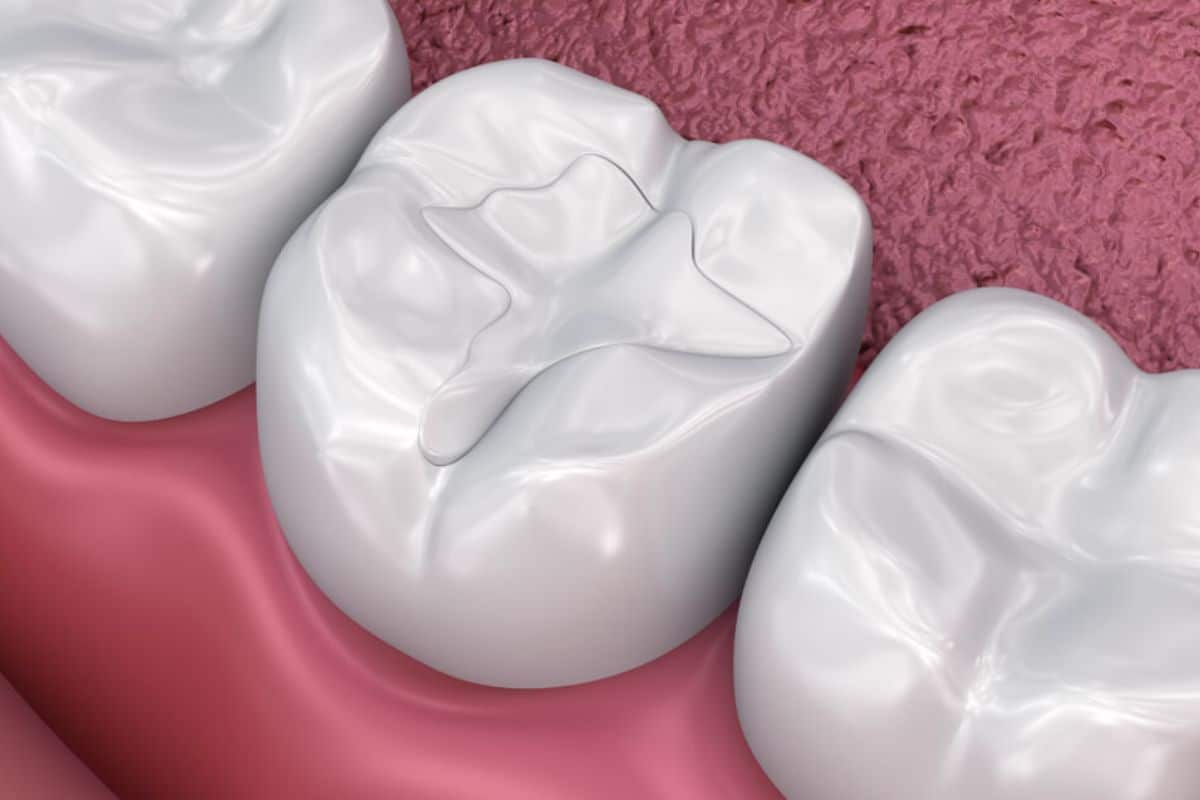
Dental fillings are designed to restore teeth affected by cavities while preventing further damage. The treatment works by removing the decayed portion of the tooth and sealing the space with a durable material.
At dental offices like Advanced Dentistry in Cheshire, the process begins with a careful examination to identify areas of decay. Dentists may use digital imaging or X-rays to determine the size and location of the cavity.
Once the cavity is identified, the area is gently numbed to ensure comfort during the procedure. The decayed portion of the tooth is then removed, leaving behind healthy tooth structure.
After cleaning the cavity, the dentist places a filling material into the prepared space. The filling restores the tooth’s shape and protects it from further bacterial damage. This simple procedure stops the cavity from growing and helps preserve the natural tooth.
Types of Dental Fillings Used Today
Modern dentistry offers several types of filling materials, each with unique advantages.
One of the most commonly used options today is composite resin, a tooth-colored material that blends naturally with surrounding teeth. These fillings are popular because they provide both durability and aesthetic appeal.
Another traditional option is amalgam fillings, which are silver in color and known for their strength and longevity. They are often used for back teeth that experience heavy chewing pressure.
Some dentists also use glass ionomer fillings, which release fluoride and can help protect the surrounding tooth structure from future decay.
Your dentist will recommend the most appropriate filling material based on the location and size of the cavity.
Benefits of Treating Cavities Early
Early cavity treatment offers several important benefits for patients.
First and foremost, it prevents pain and discomfort from developing. Addressing decay before it reaches deeper layers of the tooth helps patients avoid toothaches and sensitivity.
Early treatment also helps preserve more of the natural tooth structure. The smaller the cavity, the less tooth material needs to be removed during treatment.
Another advantage is cost savings. Treating a small cavity with a filling is significantly less expensive than more advanced procedures like crowns or root canals.
Finally, early treatment helps maintain overall oral health by preventing bacteria from spreading to other teeth or gums.
Maintaining Fillings and Preventing New Cavities
After receiving a filling, maintaining good oral hygiene is essential for protecting the restored tooth and preventing future decay.
Brushing twice a day with fluoride toothpaste helps remove plaque and strengthen tooth enamel. Daily flossing is equally important because it removes food particles and bacteria from between teeth, where cavities often develop.
Regular dental visits allow dentists to monitor existing fillings and detect new cavities early.
Diet also plays a role in cavity prevention. Limiting sugary snacks and beverages helps reduce the amount of acid produced by oral bacteria.
By combining good hygiene habits with regular dental care, patients can significantly reduce their risk of developing additional cavities.
Dental Care for Families in Cheshire
Many local families in this town understand the importance of preventive dental care. Routine dental exams help identify small cavities before they become serious problems.
At Advanced Dentistry, dentists focus on early detection and patient education to help individuals maintain healthy smiles. Treatments such as dental fillings in Cheshire allow patients to address tooth decay quickly and effectively, restoring strength and preventing further complications.
For both adults and children, timely dental care is one of the best ways to protect natural teeth and maintain long-term oral health.
Do Not Ignore the Signs of a Cavity! Take Action Today
Small cavities may not seem like a big concern at first, but they rarely stay small if left untreated. Tooth decay naturally progresses over time, leading to sensitivity, infection, and more extensive dental procedures.
Treating cavities early with dental fillings in Cheshire helps prevent decay from spreading, preserves natural tooth structure, and prevents unnecessary discomfort.
If you suspect a cavity or haven’t had a dental checkup in a while, scheduling a visit with Advanced Dentistry in Cheshire, Connecticut, can help protect your smile. Early treatment is the simplest and most effective way to maintain strong, healthy teeth for years to come.