(203) 272-7271
No Dairy After Dental Implants: What You Need to Know
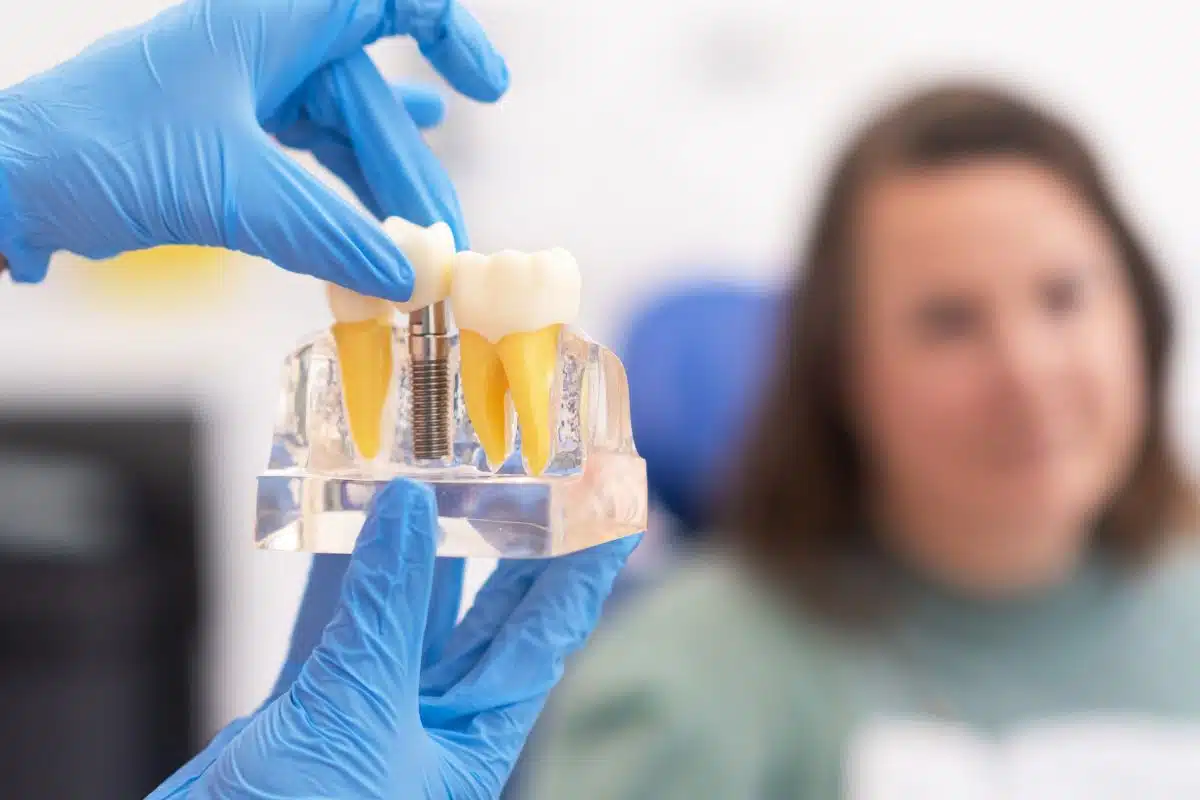
After dental implant surgery, most patients focus on managing discomfort and getting back to normal routines as soon as possible. While rest and oral hygiene are often discussed, diet plays an equally important role in healing. One of the most common—and confusing—recommendations patients hear is to avoid dairy products during early recovery.
Understanding why this guideline exists and how long it applies can help protect your healing implant and reduce the risk of complications. Whether you’re preparing for treatment or already in recovery, knowing what to eat—and what to avoid—can make a meaningful difference.
Why Diet Matters After Implant Surgery
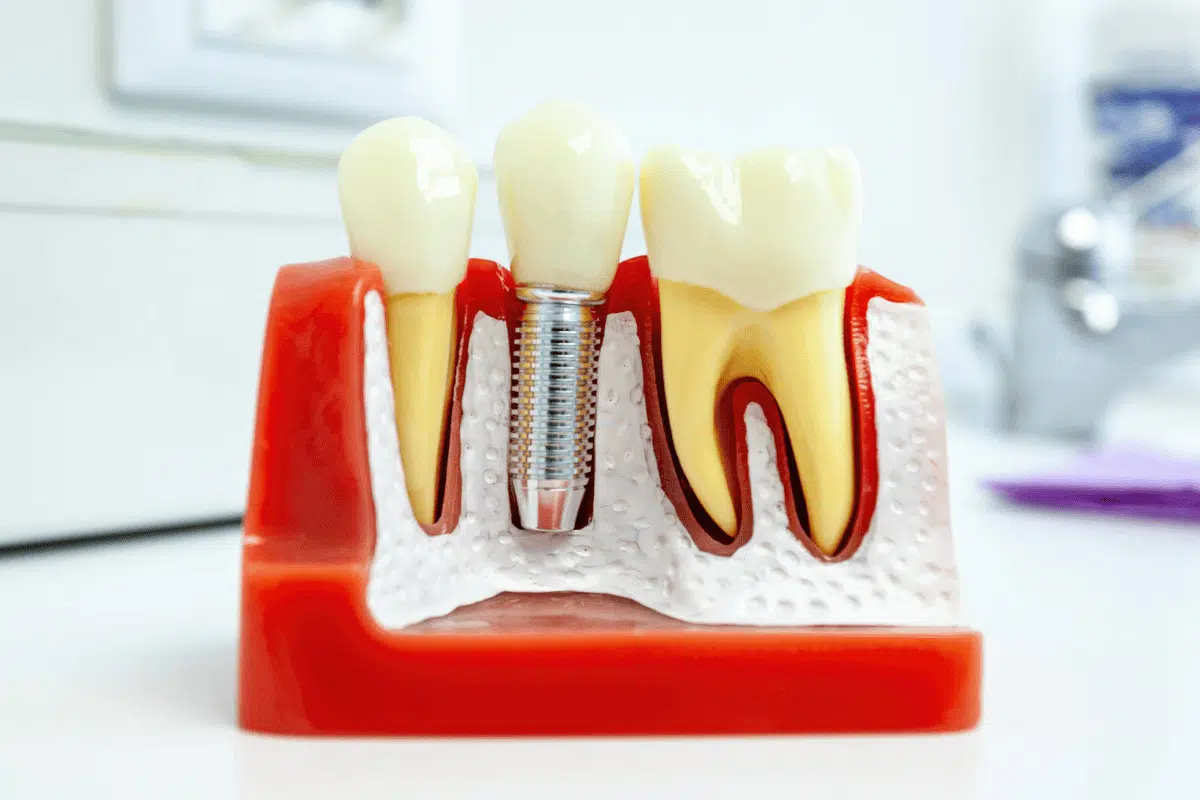
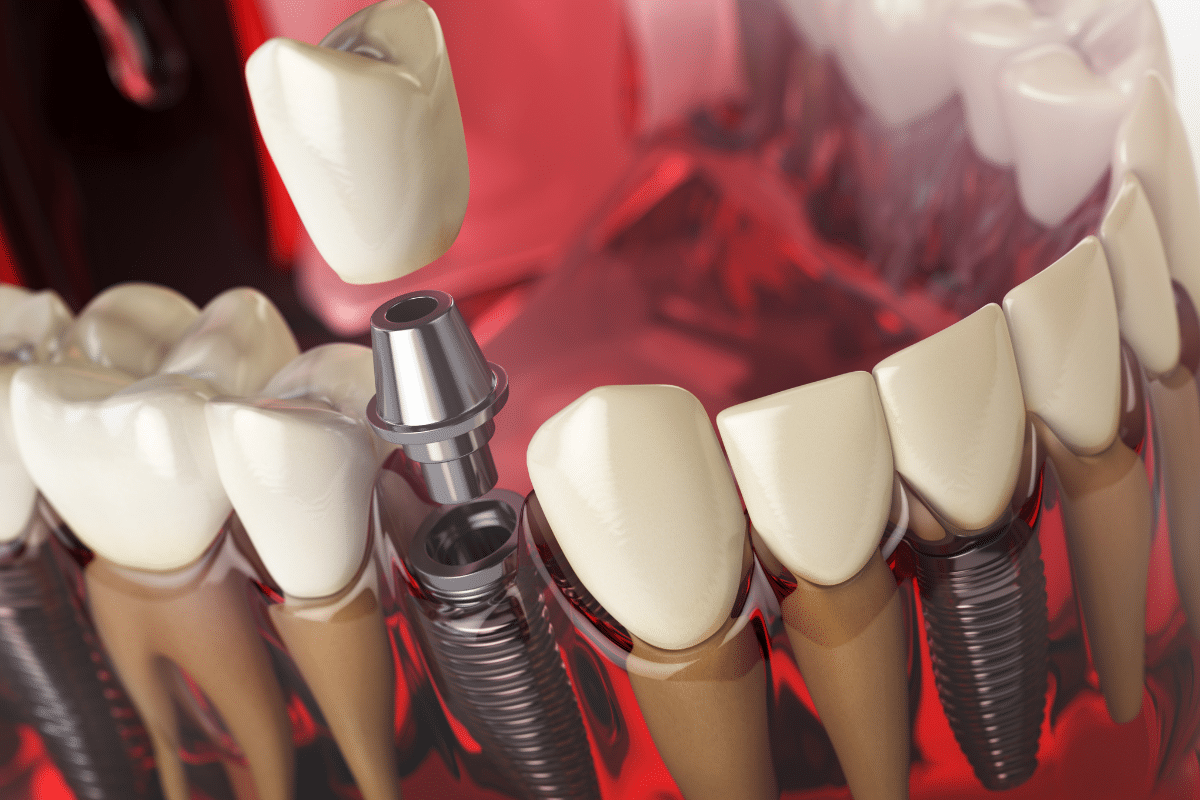
Dental implant placement is a surgical procedure that allows the implant post to integrate with the jawbone. This healing phase requires a stable environment free from irritation, infection, or unnecessary inflammation.
Certain foods can interfere with this process, either by increasing bacteria levels in the mouth, triggering inflammation, or slowing tissue repair. That’s why dietary restrictions are often recommended during the first stage of healing.
Why Dairy Is Often Restricted After Surgery
Dairy products aren’t harmful in general, but they can pose challenges immediately after implant placement.
1. Increased Bacterial Growth
Milk, yogurt, and cheese contain natural sugars that can encourage bacterial growth in the mouth. During early healing, this increases the risk of infection around the surgical site.
2. Interference With Medications
Many patients are prescribed antibiotics or pain relievers after surgery. Dairy can reduce the effectiveness of certain medications, particularly antibiotics, by interfering with absorption.
3. Thick Texture and Residue
Some dairy products leave a coating in the mouth that’s difficult to clean thoroughly without disturbing the implant area. This residue can create an environment where bacteria thrive.
4. Inflammation Concerns
For some individuals, dairy can promote mild inflammation, which may slow tissue healing when the body is already under stress.
For patients receiving Dental Implants in Cheshire, these precautions are meant to support predictable healing and long-term success—not to create unnecessary restrictions.
How Long Should You Avoid Dairy?
The restriction is usually temporary. Most dental professionals recommend avoiding dairy for the first 24 to 72 hours following surgery. In some cases, especially if healing is slower or additional procedures were involved, your provider may suggest waiting a bit longer.
Always follow the specific guidance given by your dental team, as recovery timelines can vary.
What You Can Eat Instead
Avoiding dairy doesn’t mean limiting nutrition. In fact, the right foods can actively support healing.
Safe options during early recovery include:
- Smooth soups (not hot)
- Mashed vegetables
- Applesauce
- Soft scrambled eggs
- Oatmeal made with water
- Protein shakes made without dairy
Hydration is equally important. Water helps flush bacteria from the mouth and supports overall healing.
Other Aftercare Tips That Support Healing
Diet is just one part of a successful recovery. These additional habits also matter:
Avoid Hot Foods and Drinks
Heat can increase swelling and disrupt clot formation in the early stages.
Skip Smoking and Alcohol
Both slow healing and increase the risk of implant failure.
Maintain Gentle Oral Hygiene
Clean surrounding teeth carefully while avoiding direct contact with the surgical site during early healing.
Follow All Post-Op Instructions
Your dentist in Cheshire CT provides personalized instructions based on your procedure and health history.
When Can Dairy Be Reintroduced?
Once the initial healing phase has passed and your dental provider confirms proper progress, dairy can usually be reintroduced gradually. Start with small amounts and avoid products that are sticky or require heavy chewing.
Listening to your body is important. If discomfort or irritation occurs, pause and consult your provider.
Why Professional Guidance Matters
Every patient heals differently. Factors like bone density, overall health, and whether bone grafting was involved can influence recovery. That’s why aftercare instructions should never be one-size-fits-all.
Working with an experienced provider ensures your recovery plan is designed around your specific needs. At Advanced Dentistry in Cheshire, CT, patient education is a key part of helping implants heal properly and last for years to come.
Conclusion
Avoiding dairy after implant surgery may feel inconvenient, but it’s a short-term step that supports long-term success. By reducing bacterial exposure, avoiding medication interference, and promoting healthy healing conditions, this simple dietary adjustment can help protect your investment in your smile. Following professional guidance and being mindful during recovery plays a crucial role in achieving lasting results.
If you’re planning implant treatment or have questions about recovery and aftercare, schedule a consultation with Advanced Dentistry in Cheshire, CT. Their team is committed to helping patients understand every step of the process so they can heal confidently and comfortably.