(203) 272-7271
Replacing Old Dental Fillings: Signs, Options & Timing

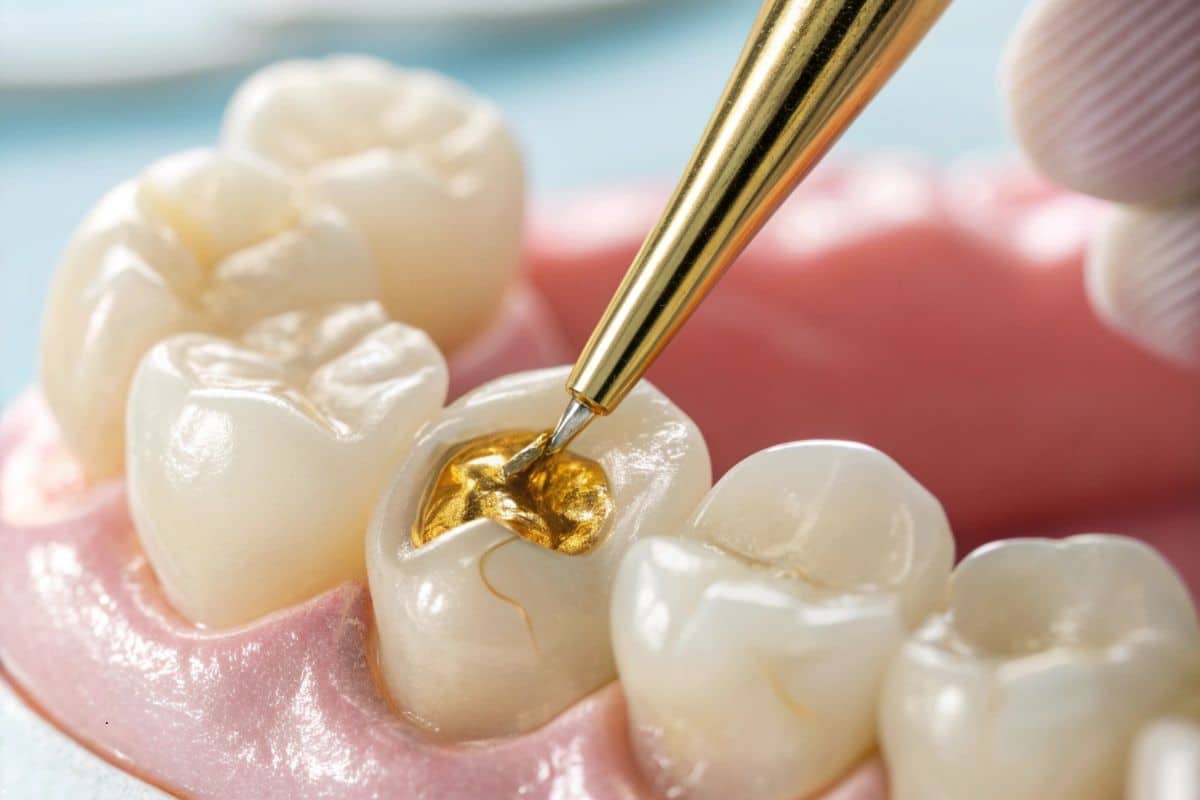
Dental fillings play a vital role in restoring teeth damaged by decay, but like most dental work, they aren’t meant to last forever. Over time, fillings can wear down, crack, or even separate from the tooth, leaving space for bacteria to enter. When this happens, timely replacement becomes essential to protect your oral health and prevent more serious issues.
For patients in Cheshire, CT, understanding when and how to replace old fillings can help maintain a strong, healthy smile. This guide covers the key signs of worn fillings, your replacement options, and why proper timing matters.
Why Dental Fillings Don’t Last Forever
Even the most durable fillings have a lifespan. Factors like the material used, your oral hygiene habits, and the amount of pressure you place on your teeth can all affect how long they last.
- Amalgam fillings (silver-colored) often last between 10–15 years.
- Composite fillings (tooth-colored) typically last 7–10 years.
Chewing, grinding, and exposure to temperature changes can cause small movements in the filling material. Over time, this leads to wear and tear or even fractures that compromise the tooth’s structure.
Common Signs You Need to Replace Old Fillings
Recognizing the early warning signs can save you from discomfort and future dental complications. Here’s what to look for:
- Tooth Sensitivity or Pain – If you feel sharp pain or sensitivity when eating hot, cold, or sweet foods, your filling might be deteriorating.
- Visible Cracks or Gaps – Worn edges or visible lines around your filling indicate that it’s no longer sealing the tooth properly.
- Discoloration Around the Filling – Dark spots may suggest decay forming under or around the filling.
- Rough or Uneven Texture – If the surface feels uneven when you run your tongue over it, the filling may have worn down.
- Food Getting Stuck Frequently – Gaps or small spaces between the tooth and filling can trap food particles and bacteria.
If you notice any of these signs, scheduling a visit with your Cheshire dentist ensures early evaluation and appropriate treatment.
Your Options for Replacing Old Fillings
Modern dentistry offers several advanced materials and techniques to restore both function and appearance. When replacing dental fillings in Cheshire, your dentist will consider factors such as the size and location of the cavity, your bite, and your aesthetic preferences.
1. Composite Resin Fillings
Made to match your natural tooth color, composite fillings are ideal for visible areas. They bond directly to the tooth, offering strength and a seamless appearance.
2. Amalgam Fillings
Though less common today, silver amalgam fillings remain a strong and cost-effective choice for back teeth that endure heavy chewing.
3. Ceramic Fillings (Porcelain)
Durable and stain-resistant, ceramic fillings are an excellent long-term solution for patients who prefer a natural look with added resilience.
4. Gold Fillings
Known for their longevity and strength, gold fillings can last decades when well maintained, though they are less discreet and more expensive.
During your appointment, your dentist will recommend the most suitable material based on your needs and goals.
Timing Matters: Why You Shouldn’t Wait
Delaying the replacement of a damaged filling can lead to serious consequences. When bacteria seep into tiny cracks, they can cause decay under the filling, sometimes reaching the tooth’s nerve. This could result in the need for more complex treatments, such as a root canal or crown.
Replacing a filling at the right time not only saves the tooth but also helps you avoid discomfort and additional costs. Regular check-ups at Advanced Dentistry allow your dentist to spot early signs of filling failure before problems escalate.
Caring for New Dental Fillings
Once your fillings are replaced, maintaining them properly is essential for long-lasting results. Here are a few helpful tips:
- Brush twice daily with fluoride toothpaste.
- Floss regularly to remove plaque between teeth.
- Avoid biting down on hard foods or objects.
- Visit your dentist twice a year for cleanings and exams.
Following these simple habits helps protect your new fillings and keep your smile healthy.
Conclusion
Old fillings can wear out without you even realizing it, but paying attention to subtle signs can make all the difference. Replacing damaged or worn dental fillings promptly helps preserve the health and function of your teeth while preventing future complications.
If you live in Cheshire, CT, regular visits to your Cheshire dentist ensure that any issues are caught early and treated with precision and care.
Not sure if your fillings are due for replacement? Schedule an evaluation with Advanced Dentistry in Cheshire, CT. Our experienced dental team can assess the condition of your fillings and recommend the best, most comfortable solution to keep your smile strong and healthy for years to come.