(203) 272-7271
Dental Bonding Longevity: How Long Does It Last?

Dental bonding is a popular cosmetic dental procedure designed to improve the appearance of teeth by repairing chips, gaps, discoloration, or minor imperfections. Many patients in Cheshire, CT choose this treatment for its affordability, speed, and minimally invasive nature. But one common question is: how long does dental bonding last? Understanding its longevity and the factors that influence it can help you enjoy a bright, healthy smile for years to come.
What Is Dental Bonding?
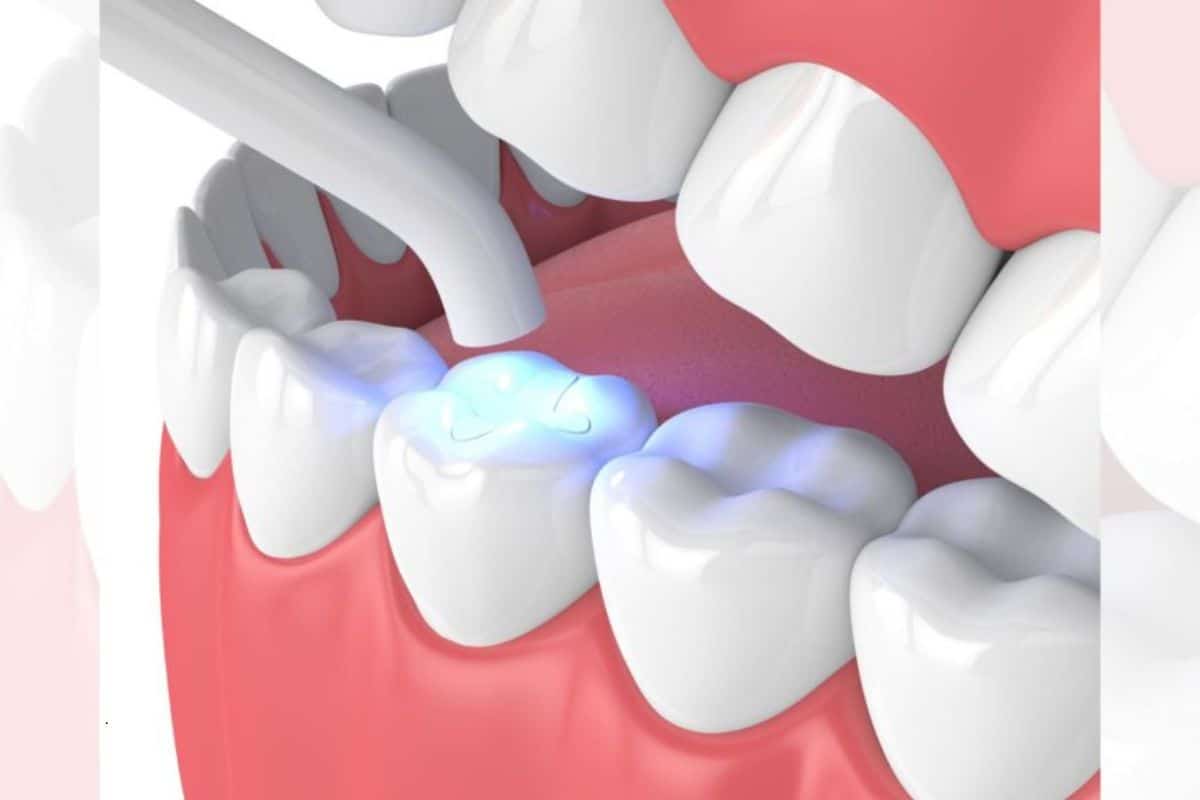
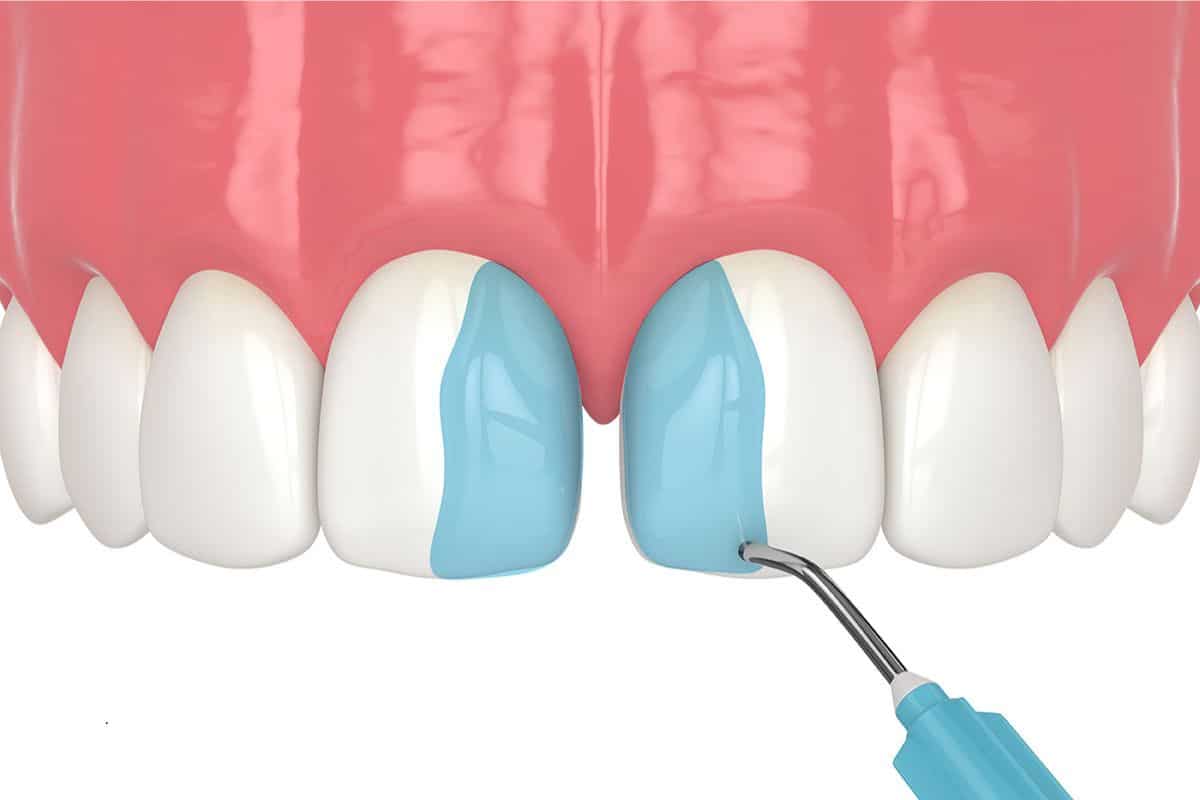
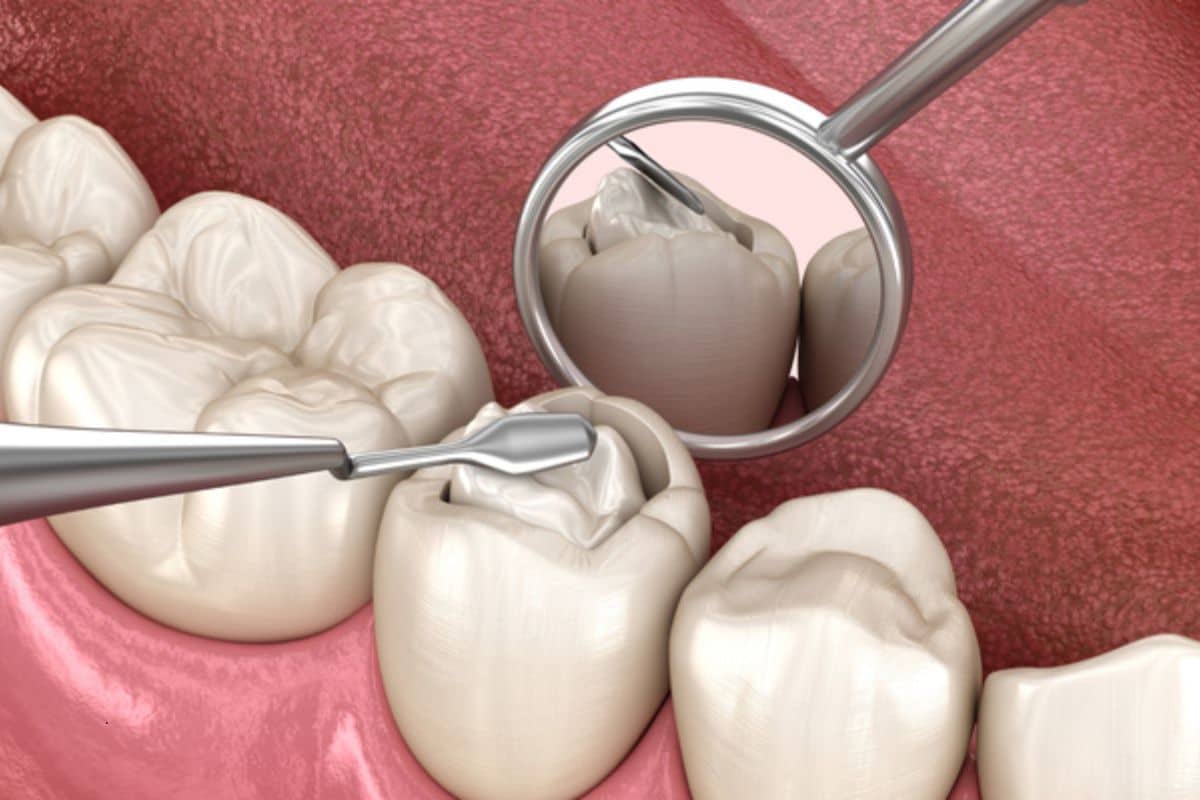
Dental bonding involves applying a tooth-colored resin to the affected area of a tooth. The resin is carefully molded, shaped, and hardened with a special light to create a smooth, natural-looking finish. While it offers immediate aesthetic improvement, its lifespan varies depending on several key factors.
Average Lifespan of Dental Bonding
On average, dental bonding can last 3 to 10 years. The variation depends on oral hygiene habits, diet, lifestyle, and the location of the bonded tooth. Front teeth generally experience less pressure than back teeth, making the bonding on front teeth slightly longer-lasting.
Factors Affecting Dental Bonding Longevity
1. Oral Hygiene Practices
Maintaining proper oral hygiene is critical. Brushing twice daily, flossing, and using mouthwash helps prevent staining and decay around the bonded area. Neglecting oral care can lead to discoloration or weakening of the bonding material.
2. Diet and Eating Habits
Certain foods and beverages, such as coffee, tea, red wine, and highly pigmented sauces, can stain dental bonding over time. Hard foods or habits like chewing ice, biting nails, or using teeth as tools can chip or damage the resin.
3. Teeth Grinding or Clenching
Patients who grind or clench their teeth put extra pressure on bonded teeth. This can lead to cracks or premature wear. Using a nightguard, if recommended by your Cheshire dentist, can help protect your dental bonding and prolong its lifespan.
4. Location of the Bonding
Bonding on molars or teeth that endure more pressure may wear faster than bonding on front teeth. Your dentist in Cheshire, CT can advise on areas that may require extra care.
5. Quality of Materials and Procedure
The longevity of dental bonding also depends on the quality of the resin used and the expertise of the dental professional. Advanced Dentistry uses high-quality materials and precise techniques to ensure results that last as long as possible.
Tips to Make Dental Bonding Last Longer
- Brush gently with a soft-bristled toothbrush and non-abrasive toothpaste.
- Floss daily to prevent plaque buildup around bonded teeth.
- Limit consumption of staining foods and drinks.
- Avoid chewing on hard objects or using teeth as tools.
- Visit your dentist Cheshire CT regularly for checkups and cleanings.
- Consider professional touch-ups if minor chips or discoloration occur.
Following these steps can significantly extend the life of your dental bonding and maintain a natural, beautiful smile.
Conclusion
Dental bonding is a reliable and versatile solution for enhancing your smile, but its longevity depends on careful maintenance, healthy habits, and professional guidance. With proper care, most patients enjoy their bonded teeth for several years before minor repairs or touch-ups become necessary.
For anyone in Cheshire, CT, consulting a trusted Cheshire dentist ensures personalized care tailored to your oral health needs and lifestyle, helping you enjoy the full benefits of dental bonding for as long as possible.
If you’re considering dental bonding or want to learn how to extend the life of your current dental work, schedule a consultation with Advanced Dentistry in Cheshire, CT. Our experienced team will provide expert guidance to keep your smile healthy, strong, and radiant.