(203) 272-7271
How Many Teeth Can You Fix with Composite Bonding?

If you’re unhappy with chips, cracks, gaps, or discoloration in your smile, composite bonding may be the solution you’re looking for. This simple and effective treatment can restore a natural look to your teeth in just one visit. Many patients ask, “How many teeth can you fix with dental bonding?” The answer depends on your smile goals, the condition of your teeth, and how much time you’re willing to spend in the dental chair.
At Advanced Dentistry in Cheshire, CT, we often recommend bonding to patients who want quick, minimally invasive results without the commitment of veneers or crowns. Let’s break down what dental bonding is, how many teeth can be treated, and what you can expect from the process.
What Is Dental Bonding?
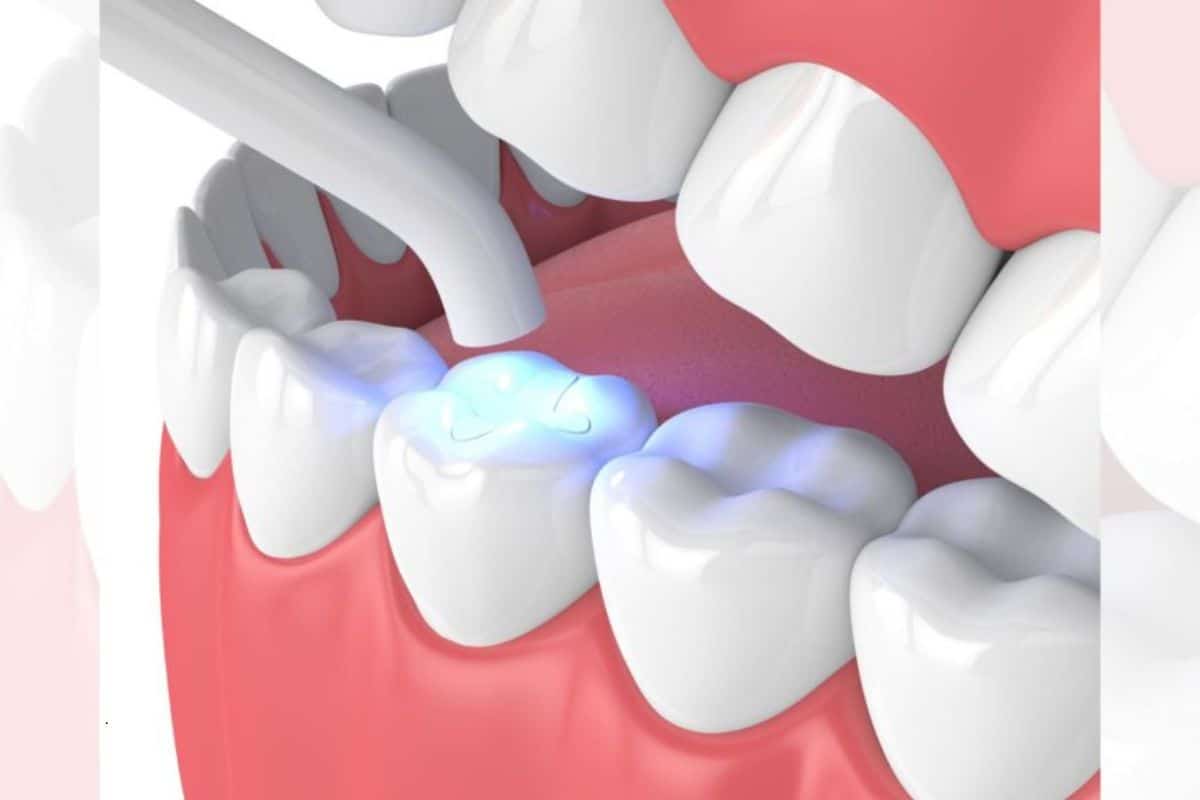
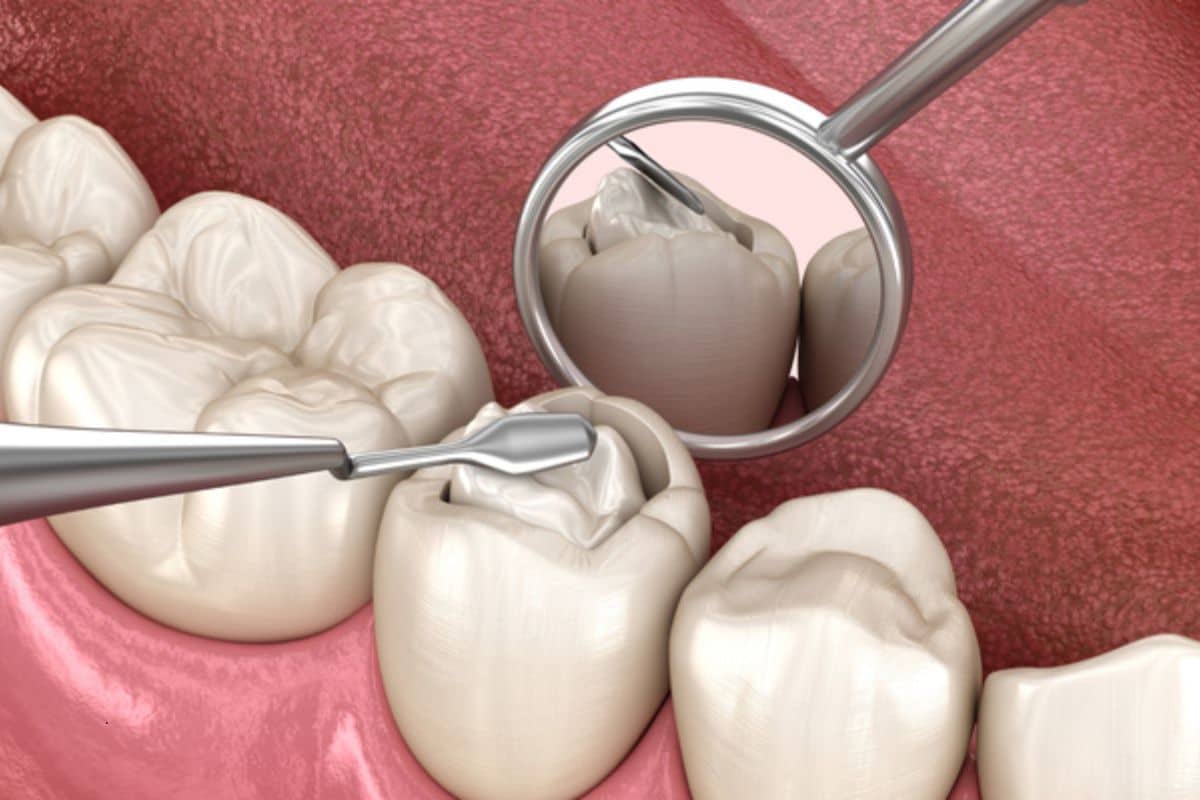
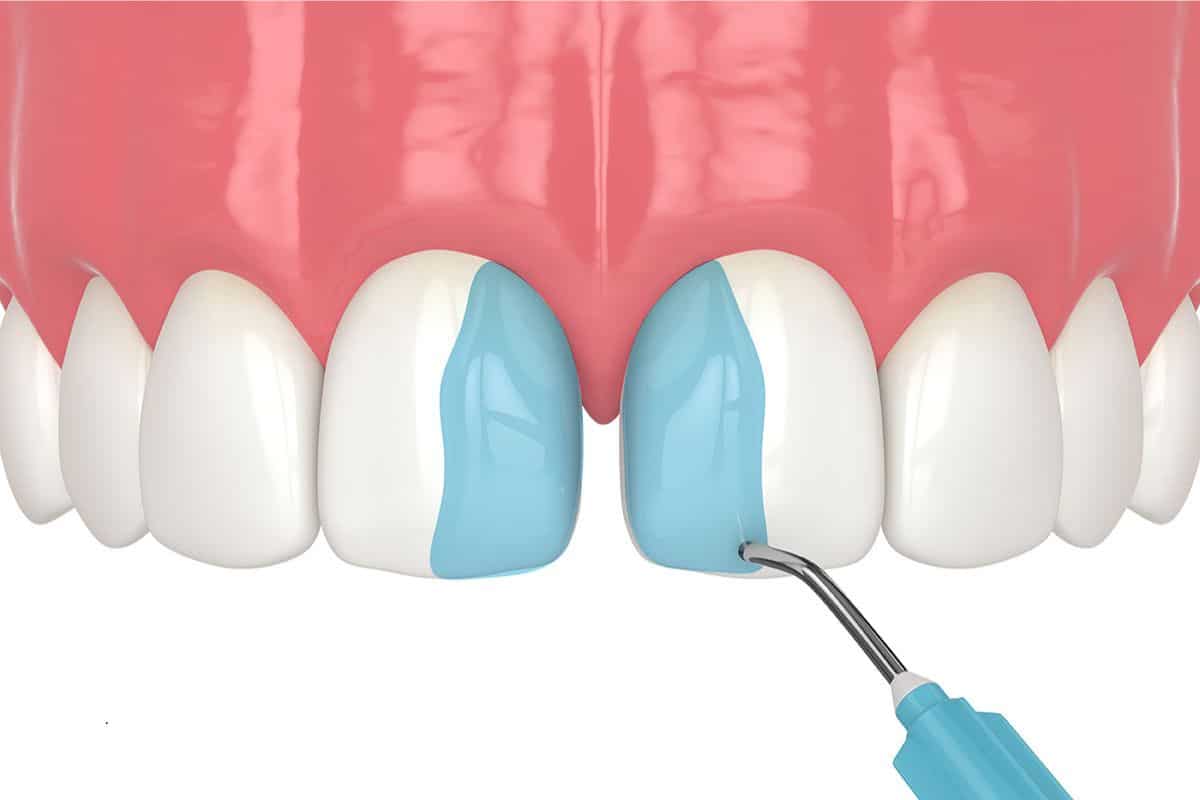
Dental bonding is a cosmetic treatment that uses a tooth-colored resin to repair or enhance teeth. Your dentist carefully applies the resin, shapes it to match your natural tooth, and hardens it with a special curing light. This treatment can fix small chips, smooth rough edges, close small gaps, or cover deep discoloration.
One of the biggest advantages of dental bonding is how conservative it is — very little natural tooth structure needs to be removed, making it a preferred option for many patients.
How Many Teeth Can Be Bonded?
In most cases, dental bonding can be used on a single tooth or multiple teeth. It’s common for patients to treat just one tooth to fix a chip or stain, but you can also have several teeth bonded during the same appointment.
For example, if you want to close small spaces between several front teeth, your Cheshire dentist can apply bonding material to all of them in a single session. The number of teeth that can be treated depends mainly on the amount of work needed and the time available during your appointment.
For a full smile enhancement, some patients choose to bond six to eight teeth across the upper front arch — the ones most visible when smiling. This can create a balanced, uniform look without the need for more extensive procedures.
How Long Does the Process Take?
Dental bonding is usually completed in just one visit. Each tooth typically takes 30 to 60 minutes to treat, depending on the amount of reshaping and polishing needed. If you’re bonding multiple teeth, you may need to set aside more time or schedule a second appointment to complete the work.
Benefits of Treating Multiple Teeth at Once
Choosing to bond several teeth in a single visit can be an efficient way to transform your smile. Benefits include:
- Consistent results: Your dentist can shape and color-match all treated teeth at the same time for a seamless look.
- Time savings: Treating multiple teeth in one session reduces the number of visits you need.
- Immediate improvement: You’ll leave the office with a visibly enhanced smile the same day.
Caring for Bonded Teeth
After bonding, it’s important to take care of your teeth to maintain the results. Avoid biting on hard objects like ice or pens, as this could chip the bonding material. Brush and floss daily, and see your dentist regularly for checkups and cleanings. If you grind your teeth at night, ask about a night guard to protect your new smile.
Conclusion
Dental bonding is a versatile treatment that can address one tooth or several at once, depending on your needs. Whether you’re repairing a single chip or reshaping your entire smile, bonding offers a quick, affordable way to achieve natural-looking results.
If you’re ready to improve your smile with dental bonding, schedule a consultation with Advanced Dentistry in Cheshire, CT. Our experienced team will discuss your goals, recommend how many teeth to treat, and create a plan to help you achieve a beautiful, confident smile.