(203) 272-7271

How to Identify and Treat Gumline Cavities Early


Gumline cavities, sometimes called cervical caries, are a common dental issue that often goes unnoticed until they progress. These cavities form at the junction where the tooth meets the gum, making them challenging to detect in their early stages. Addressing gumline cavities promptly is essential to prevent more severe dental problems, such as tooth decay, sensitivity, and potential tooth loss.
What Are Gumline Cavities?
Gumline cavities occur along the base of the tooth near the gum tissue. Unlike cavities on chewing surfaces, they often develop gradually and may not cause immediate discomfort. Factors contributing to gumline cavities include:
- Poor oral hygiene: Plaque accumulation near the gumline can lead to enamel breakdown.
- Gum recession: Exposed root surfaces are more susceptible to decay.
- Dietary habits: Frequent consumption of sugary or acidic foods increases the risk.
- Aging: Enamel naturally thins over time, making teeth more vulnerable.
Signs and Symptoms of Gumline Cavities
Early detection of gumline cavities is critical. Common signs include:
- Increased tooth sensitivity to hot, cold, or sweet foods.
- Visible discoloration or dark spots near the gumline.
- Mild gum irritation or inflammation.
- A rough texture along the base of the tooth.
Regular dental checkups with a dentist in Cheshire, CT are vital, as some cavities may be too small to notice without professional examination.
How a Dentist Diagnoses Gumline Cavities
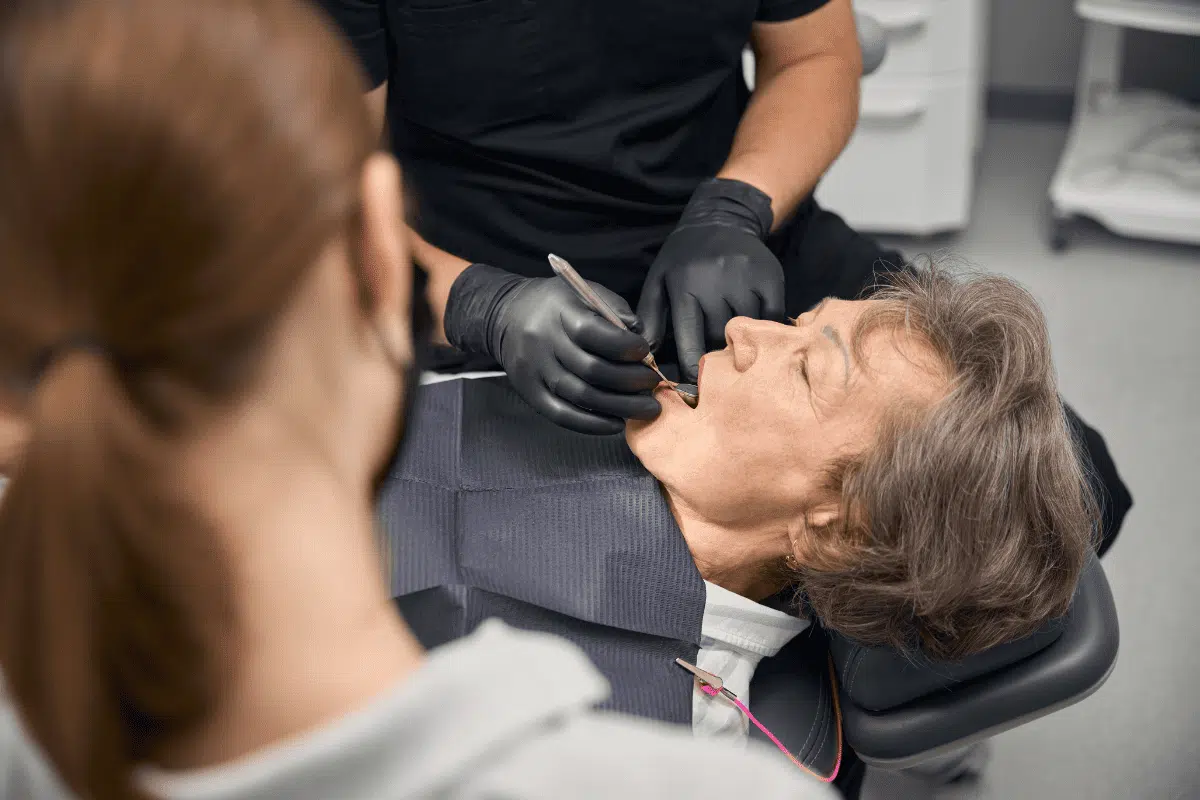
A cheshire dentist will conduct a thorough oral exam, including:
- Visual inspection: Checking for discoloration or enamel breakdown.
- Dental X-rays: Detecting cavities that are hidden beneath the gumline.
- Probing: Assessing the depth and severity of decay.
Early diagnosis allows for more conservative treatment options, reducing the need for extensive procedures.
Treatment Options for Gumline Cavities
Treatment depends on the severity of the cavity:
- Fluoride Treatments: Small cavities may respond to professional fluoride applications to strengthen enamel.
- Dental Fillings: Composite or tooth-colored fillings restore the tooth structure and prevent further decay.
- Gum Care: Treating gum recession with specialized dental care helps protect exposed roots.
- Crowns or Inlays: Severe decay may require restorative procedures to preserve the tooth.
Preventive care, combined with professional guidance from a dentist in Cheshire, ensures long-term dental health.
Preventing Gumline Cavities
Maintaining good oral hygiene is key to preventing gumline cavities:
- Brush twice daily with fluoride toothpaste, paying close attention to the gumline.
- Floss daily to remove plaque buildup between teeth and along the gums.
- Limit sugary and acidic foods that accelerate enamel erosion.
- Schedule regular dental exams every six months for early detection.
Conclusion
Gumline cavities may start small, but if left untreated, they can lead to significant dental issues. Identifying early signs and seeking prompt treatment from a dentist in Cheshire, CT, helps preserve your natural teeth and maintain a healthy smile. By combining professional care with consistent at-home hygiene, you can prevent these cavities from developing or worsening.
Don’t wait for discomfort to appear. Schedule your next dental checkup at Advanced Dentistry in Cheshire, CT, and ensure your gumline stays healthy.