(203) 272-7271
Can Veneers Be Taken Off? Key Facts to Know First

If you’re considering enhancing your smile with dental veneers in Cheshire, it’s important to understand not just the benefits—but also the long-term commitment. One common question patients ask is: Can veneers be taken off? The answer isn’t as simple as yes or no. This blog breaks down everything you need to know about the removal of veneers, how the process works, and what it means for your teeth in the long run.
What Are Dental Veneers?
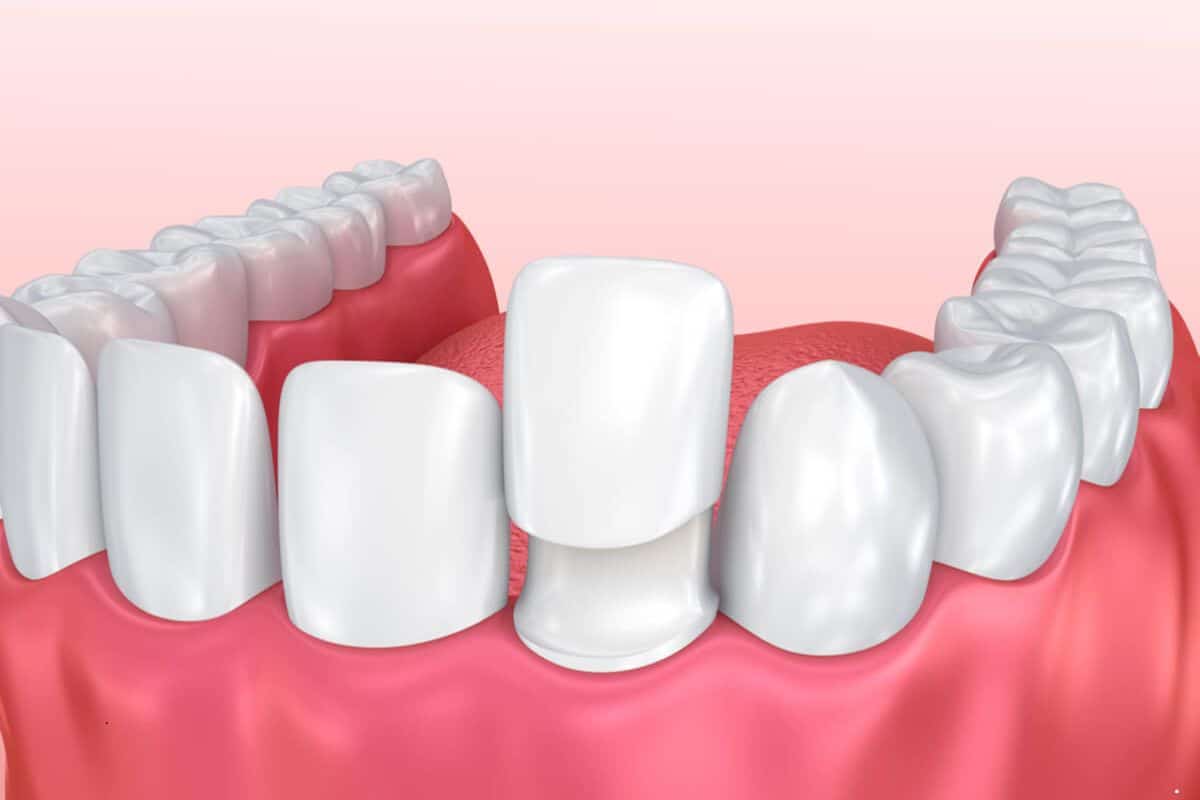
Dental veneers are thin, custom-made shells bonded to the front of your teeth to improve their appearance. They’re typically made from porcelain or composite resin and are known for transforming the shape, color, and overall look of a smile.
Veneers are a popular cosmetic option because they offer immediate results and can address multiple issues at once—discoloration, chipped teeth, minor misalignments, and more.
Can Veneers Be Removed?
Technically, yes—veneers can be removed. However, it’s not as straightforward as taking off a pair of glasses. Here’s why:
1. Veneers Are Usually Irreversible
To properly place veneers, a small portion of enamel is often removed from the surface of the tooth. This makes space for the veneer to sit flush and look natural. Once enamel is removed, it doesn’t grow back. That means the tooth will always need some form of protection—either a new veneer or another restoration—moving forward.
2. They’re Designed to Be Permanent
Veneers are bonded with strong dental adhesive meant to last for many years. Although they can be taken off by a dentist, they are not meant to be a temporary solution. Most patients who “remove” veneers are actually replacing them due to wear, damage, or changes in their smile.
3. Removal Requires Professional Expertise
If you ever need to have your veneers taken off, the process must be done by an experienced dental professional. It involves careful removal to avoid damaging the underlying tooth structure. You can’t just decide to stop using them without a replacement plan in place.
Reasons Someone Might Remove or Replace Veneers
There are several scenarios where veneer removal or replacement might be necessary:
- Veneers are worn out – Most veneers last between 10 to 15 years. Over time, they may chip, stain, or loosen.
- Gum recession – As gums recede with age, veneers may no longer fit properly, revealing the tooth underneath.
- Tooth damage underneath – If a cavity or fracture develops beneath a veneer, it must be removed for treatment.
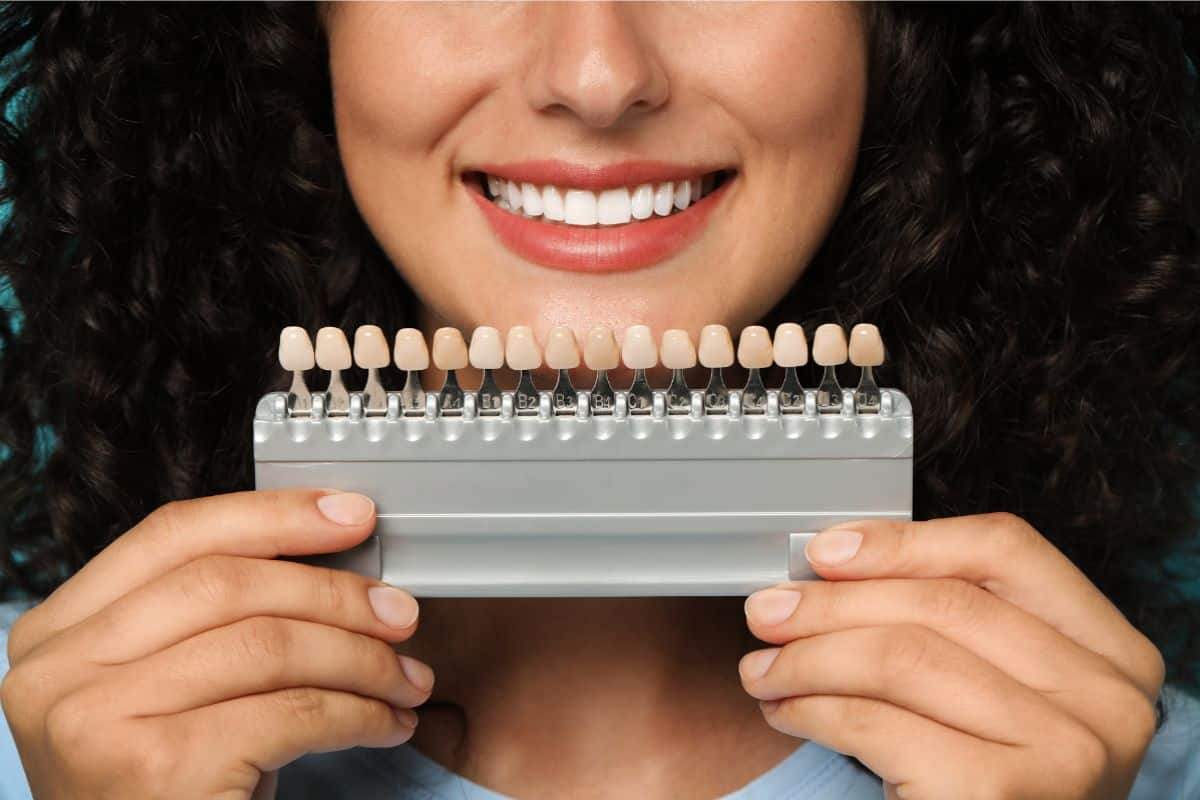
- Aesthetic preferences – Some patients later choose to change the shape or shade of their veneers for a different look.
What Happens After Veneer Removal?
If you and your dentist decide to remove a veneer, you’ll likely need a new one placed immediately. Since some of your natural enamel has been removed, leaving the tooth exposed is not a safe or healthy option.
In rare cases where minimal or no enamel reduction was done (such as with no-prep veneers), there may be the option to return to your natural teeth—but this is the exception, not the rule.
Are Veneers Right for You?
Before committing to dental veneers in Cheshire, it’s important to understand they’re a long-term solution. While they offer beautiful and durable results, they also require ongoing maintenance and periodic replacement.
A thorough consultation with a skilled provider—like those at Advanced Dentistry—can help you decide if veneers align with your dental goals and lifestyle.
Conclusion: Make an Informed Decision
Veneers can indeed be taken off, but they are not a reversible procedure in the traditional sense. Because the natural tooth is often altered to fit the veneer, removal usually means replacement. Before choosing dental veneers in Cheshire, weigh the long-term commitment and maintenance involved.
If you’re exploring cosmetic options to improve your smile, take the time to discuss your goals with a qualified dental professional. Ask about alternatives, long-term implications, and what happens if your needs change in the future. The more informed you are now, the more confident you’ll feel in your decision.