(203) 272-7271
Common Problems with Dental Veneers and How to Avoid Them

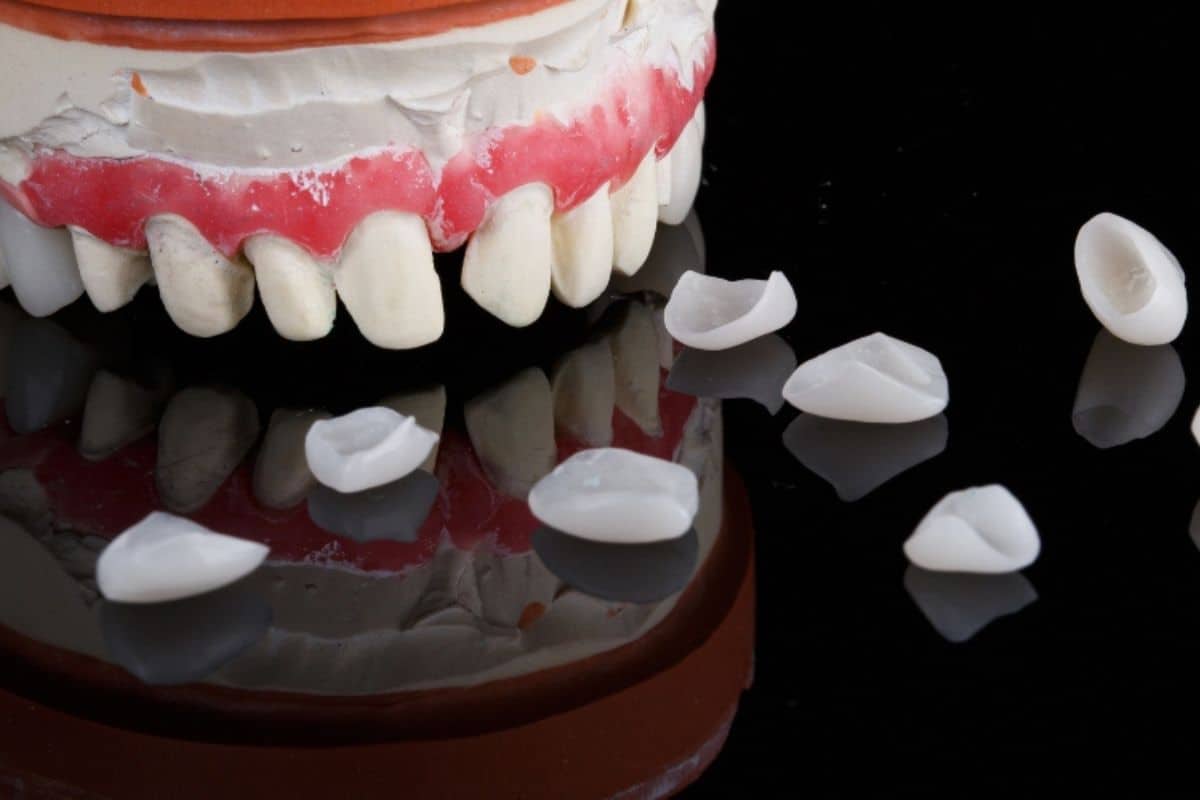
A confident smile is one of the most noticeable features we present to the world. For many people looking to enhance their appearance, dental veneers offer a reliable way to achieve that flawless look. While veneers are designed to be long-lasting and aesthetically pleasing, they aren’t entirely immune to problems. Knowing what could go wrong—and how to avoid it—can save time, money, and discomfort.
At Advanced Dentistry in Cheshire, CT, we believe that education is key to successful dental treatments. In this blog, we’ll break down the most common dental veneer issues and share tips to help you keep your smile in great shape for years to come.
1. Veneer Cracking or Chipping
What Can Happen:
Although dental veneers are made from durable materials like porcelain or composite resin, they can still crack or chip under pressure. Common causes include chewing on hard foods (like ice or hard candy), grinding your teeth, or accidental trauma.
How to Prevent It:
- Avoid using your teeth as tools (e.g., opening packages).
- Refrain from chewing on hard objects.
- Wear a custom night guard if you grind your teeth while sleeping.
2. Veneer Discoloration
What Can Happen:
Porcelain veneers are stain-resistant, but the bonding material and surrounding teeth can still change color over time. Inconsistent coloration may become noticeable.
How to Prevent It:
- Limit foods and drinks that stain (coffee, tea, red wine).
- Maintain a consistent oral hygiene routine with proper brushing and flossing.
- Visit your dentist regularly for professional cleanings.
3. Veneer Detachment or Loosening
What Can Happen:
Over time, the adhesive that bonds the veneer to your natural tooth can weaken, causing the veneer to loosen or even fall off.
How to Prevent It:
- Avoid excessive force while brushing.
- Don’t bite into very hard or sticky foods.
- Schedule routine dental checkups to catch early signs of detachment.
4. Gum Irritation or Recession
What Can Happen:
Poorly fitted veneers or improper placement can irritate your gums, leading to inflammation or even recession. When gums recede, they expose the veneer edges, which may look unnatural.
How to Prevent It:
- Choose a trusted, experienced dentist for your veneers.
- Follow proper brushing techniques to avoid aggravating the gumline.
- Use a soft-bristled toothbrush to prevent mechanical irritation.
5. Tooth Sensitivity
What Can Happen:
Some people experience tooth sensitivity after getting veneers. This usually results from enamel being removed during the preparation process, exposing the dentin layer.
How to Prevent It:
- Discuss sensitivity concerns with your dentist before treatment.
- Use toothpaste designed for sensitive teeth if needed.
- Avoid overly hot or cold foods during the initial adjustment period.
6. Poor Fit or Appearance
What Can Happen:
If veneers are not custom-designed or properly placed, they can appear bulky, misaligned, or unnatural. This can affect both appearance and comfort.
How to Prevent It:
- Ensure that your provider uses custom impressions and designs.
- Ask for a preview or mock-up before final placement.
- Work with a skilled provider who understands facial symmetry and natural aesthetics.
7. Uneven Wear
What Can Happen:
Veneers can wear down unevenly, especially if the bite is off or if they’re exposed to frequent grinding or clenching.
How to Prevent It:
- Get your bite checked after veneer placement.
- Wear a night guard if bruxism is a concern.
- Report any discomfort or bite changes to your dentist right away.
Conclusion
Dental veneers offer an incredible way to improve your smile, but like any dental procedure, they require proper care and attention. Understanding potential issues—from veneer detachment to discoloration—can help you take proactive steps to keep your smile looking and feeling its best.
If you’re considering veneers or already have them, staying informed and committed to good oral hygiene and routine checkups makes all the difference. An experienced dentist will ensure your veneers not only look great but also function well for years to come.
Have questions about maintaining your veneers or considering getting them in Cheshire, CT? Contact Advanced Dentistry today to schedule a consultation. Our experienced team is here to help you achieve a healthy, lasting smile with care that’s tailored to you.