(203) 272-7271
How Long Does Dental Bonding Last on Teeth?

Dental bonding is a popular cosmetic treatment that helps fix chips, cracks, discoloration, and small gaps in teeth. It’s often chosen for its simplicity, affordability, and natural appearance. But one question patients at Advanced Dentistry in Cheshire, CT, often ask is: how long does dental bonding actually last?
Understanding the lifespan of bonding and how to maintain it can help you get the most out of this treatment. If you’re considering dental bonding in Cheshire, this guide will walk you through everything you need to know.
What Is Dental Bonding?
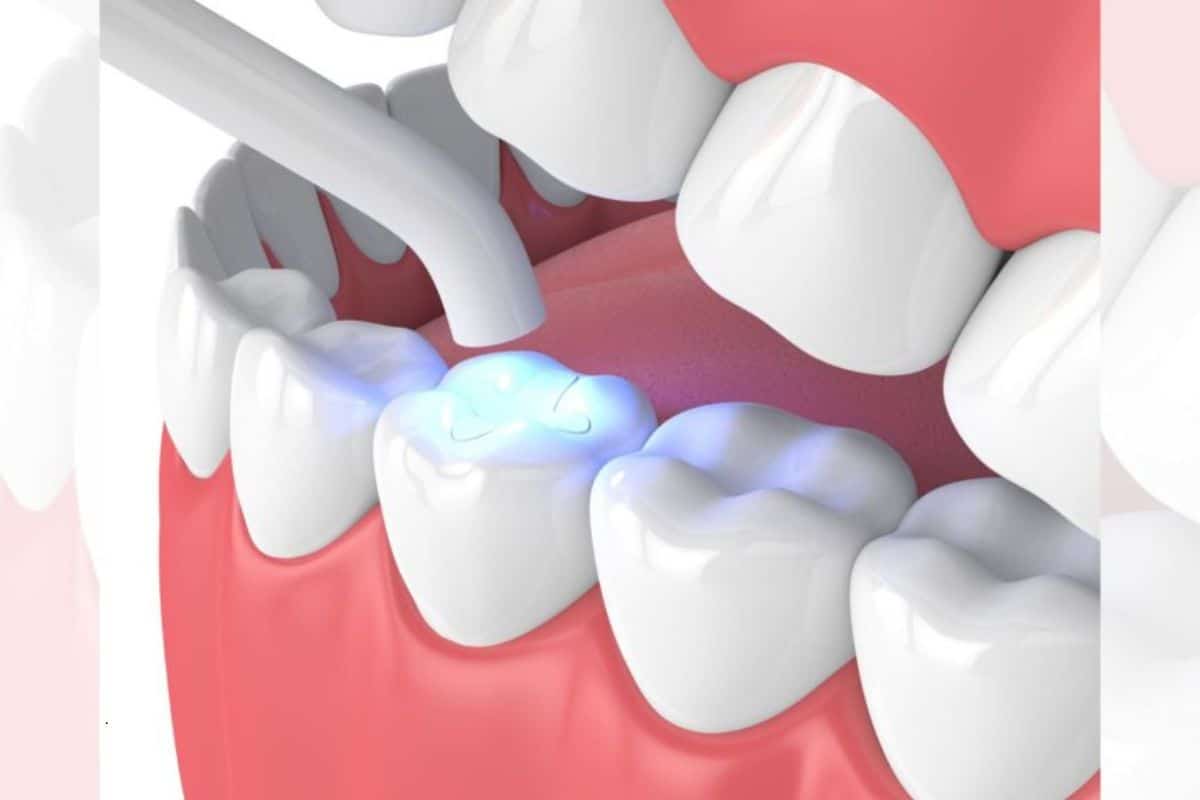
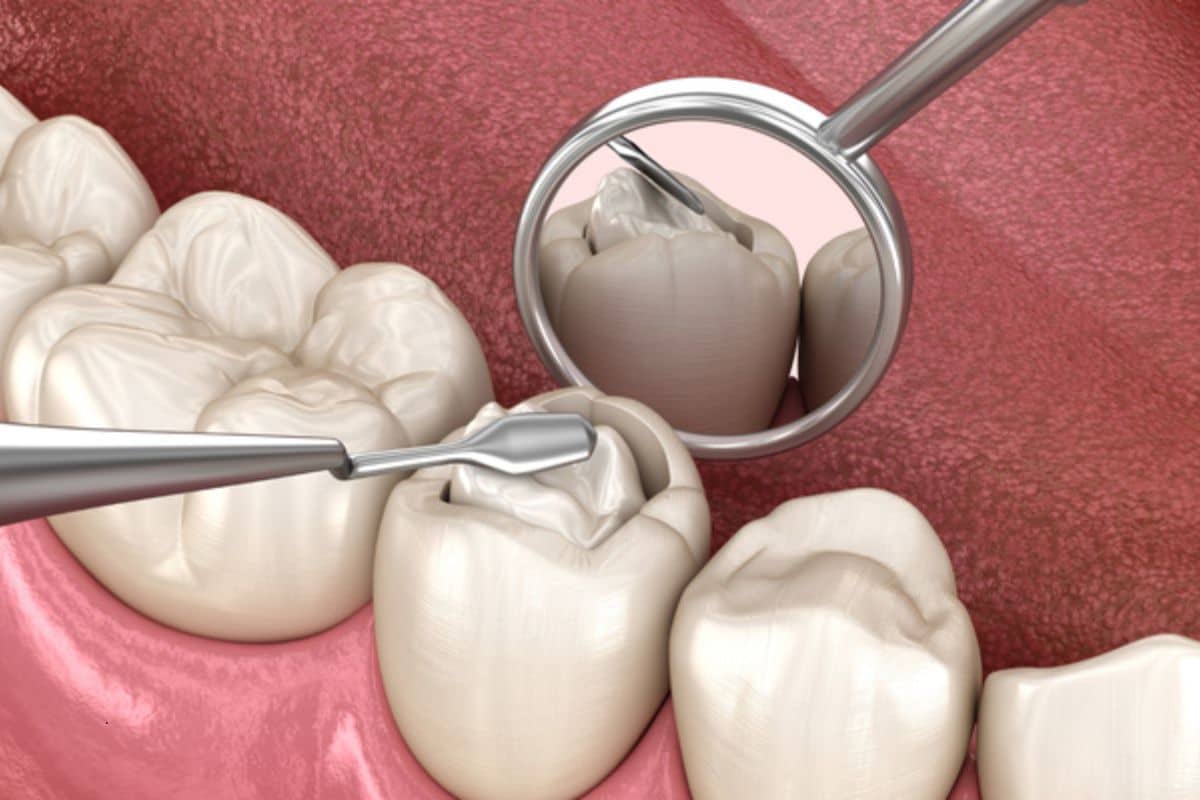
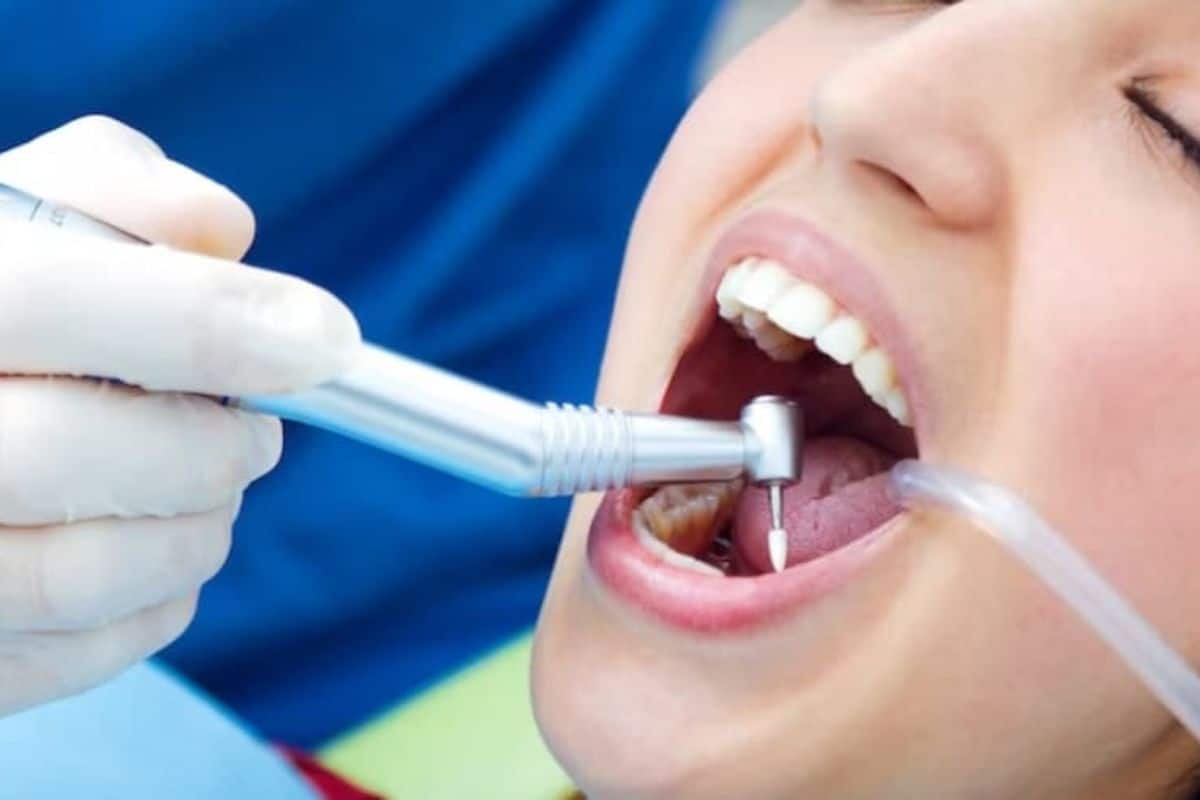
Dental bonding is a process where a tooth-colored resin material is applied to the surface of the tooth, shaped, and then hardened with a special light. It’s commonly used to:
- Repair minor chips and cracks
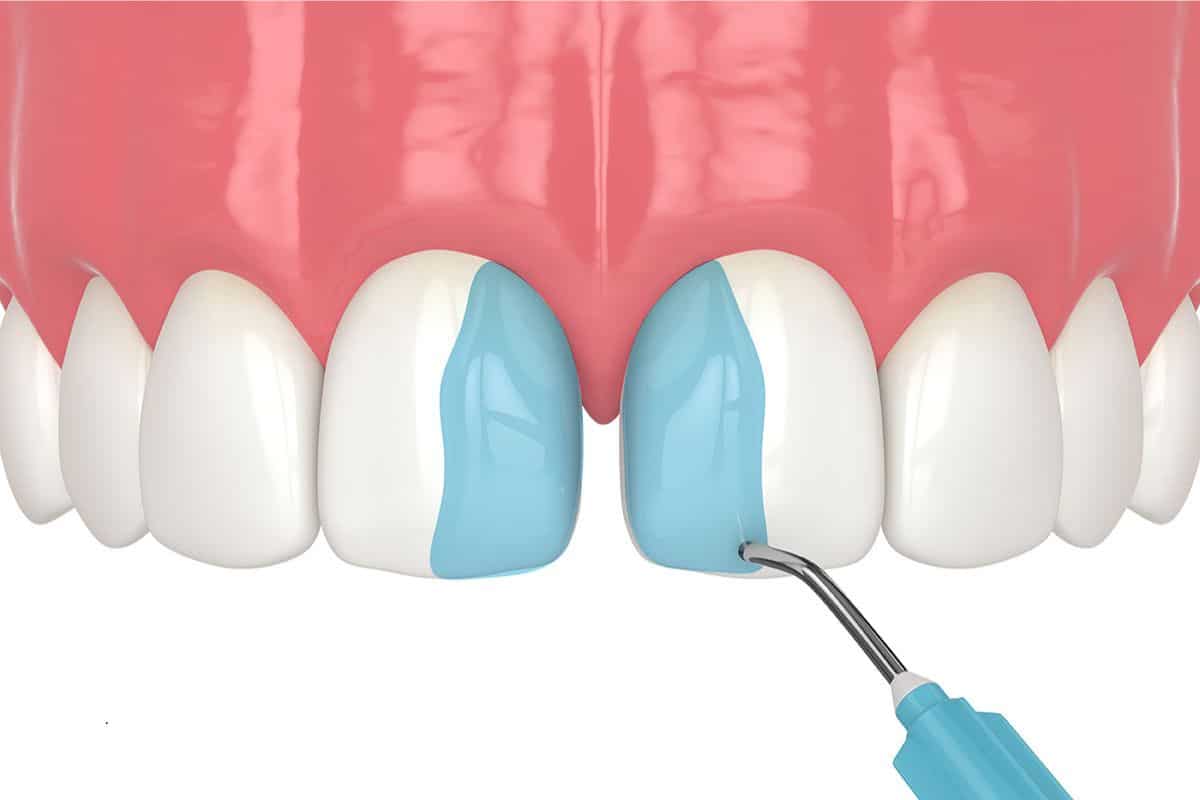
- Close small gaps between teeth
- Improve the shape or length of teeth
- Cover discoloration
Because it’s minimally invasive and typically requires no anesthesia, bonding is a great solution for many patients looking for quick cosmetic improvements.
So, How Long Does Dental Bonding Last?
On average, dental bonding lasts 3 to 10 years. However, this range can vary depending on a few key factors:
1. Location of the Bonded Tooth
Bonding on front teeth generally lasts longer than bonding on molars, which are more exposed to chewing pressure. If the bonded area is subject to heavy biting or grinding, it may wear down faster.
2. Daily Habits
The way you care for your teeth plays a big role in how long bonding lasts. Chewing ice, biting fingernails, or using your teeth to open packages can weaken the bonding material over time.
3. Oral Hygiene
Consistent brushing, flossing, and dental cleanings help extend the lifespan of bonded teeth. Bonding can stain over time, especially from coffee, tea, red wine, or tobacco use.
4. Skill of the Dentist
A well-done bonding procedure by an experienced dentist in Cheshire CT is more likely to last longer and look more natural. Technique and attention to detail matter.
Tips to Extend the Life of Dental Bonding
If you want your bonding to last as long as possible, here are some practical steps to follow:
- Avoid Hard or Sticky Foods: These can crack or loosen the bonded area.
- Wear a Night Guard if Needed: If you grind your teeth at night, a custom mouth guard can protect your bonding.
- Keep Up with Dental Visits: Regular checkups allow your Cheshire dentist to spot early signs of wear and fix them before they worsen.
- Limit Staining Foods and Drinks: Rinse your mouth or brush your teeth after consuming items known to stain enamel.
Can Bonding Be Repaired or Replaced?
Yes, dental bonding can be touched up or fully redone when needed. Over time, the resin may discolor or chip, but in most cases, the repair is simple. If the bonding is no longer effective or if your dental goals change, your dentist can discuss alternatives like veneers or crowns.
Dental Bonding vs. Other Options
While dental bonding is cost-effective and quick, it’s not as durable as porcelain veneers or crowns. If you’re looking for a longer-lasting solution and are willing to invest more upfront, your dentist in Cheshire CT can help compare your options.
Still, for many patients—especially those seeking small to moderate improvements—bonding remains a reliable choice.
Conclusion
Dental bonding is an effective and conservative cosmetic treatment that can enhance your smile in just one visit. While it doesn’t last forever, it can provide years of benefits when properly cared for. The key is understanding the factors that impact its lifespan and making choices that protect your bonded teeth from wear and damage.
If you’re thinking about improving your smile with dental bonding in Cheshire, the experienced team at Advanced Dentistry is here to help. Schedule a consultation today to see if bonding is the right solution for your needs, and get personalized guidance on how to keep your smile looking its best.