(203) 272-7271
Are Dental Bridges Safe for Seniors? A Guide to Restorative Options

As we age, maintaining oral health becomes more important than ever. Missing teeth can impact not only our ability to chew and speak clearly but also our overall quality of life. One of the most trusted solutions for tooth loss is dental bridges. But are they safe and effective for seniors? In this blog, we’ll explore what dental bridges are, how they work for older adults, and what seniors in Cheshire should consider before moving forward with this treatment.
Understanding Dental Bridges
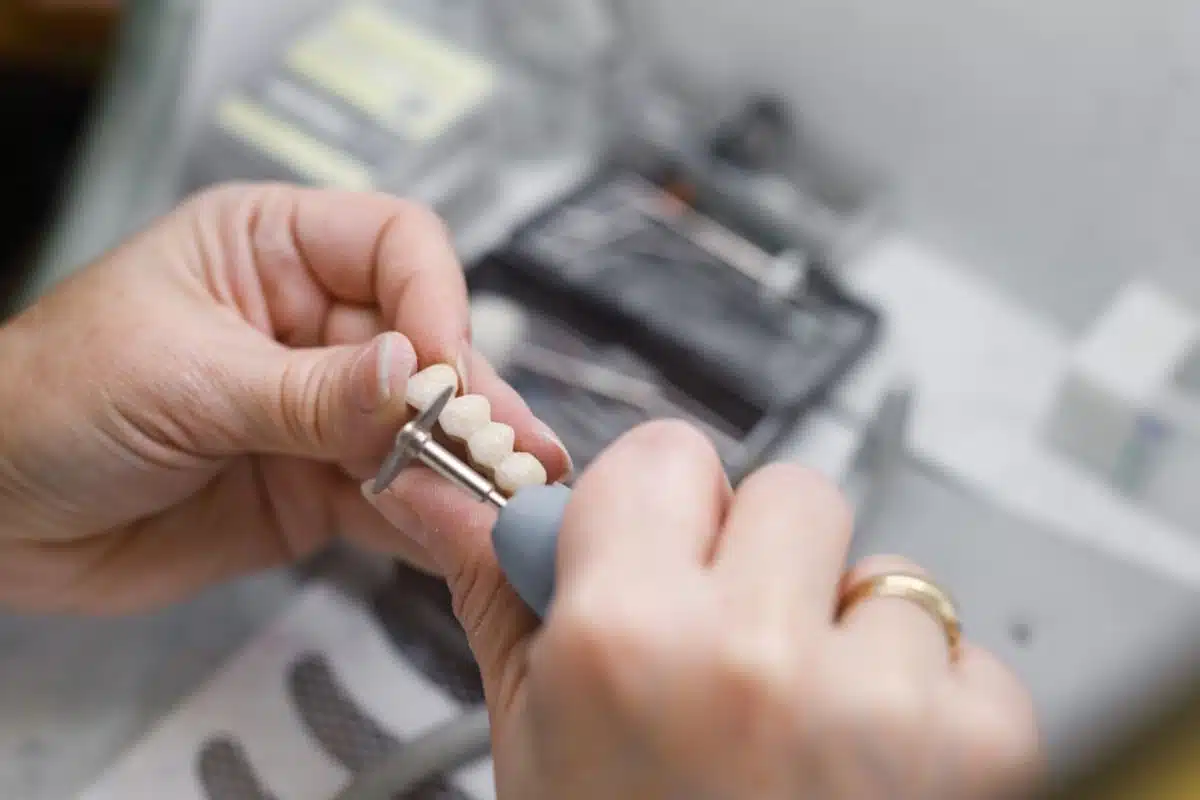
Dental bridges are a type of restorative dental solution used to fill the gap left by one or more missing teeth. A typical bridge consists of artificial teeth (called pontics) that are held in place by crowns attached to the adjacent natural teeth or implants. The goal is to restore function, improve appearance, and maintain the structure of the jaw and surrounding teeth.
For seniors, dental bridges can offer a practical, non-invasive solution, especially when dental implants may not be suitable due to bone loss, medical history, or budget considerations.
Why Seniors May Need Dental Bridges
Tooth loss is common in older adults due to gum disease, decay, or trauma. While dentures are often the go-to choice, they may not offer the stability or comfort some seniors are looking for. Dental bridges, on the other hand, are fixed in place and feel more like natural teeth.
Here’s why many seniors choose dental bridges in Cheshire:
- Improved chewing and speech: Missing teeth can make it difficult to eat comfortably or speak clearly. Bridges help restore these basic functions.
- Support for facial structure: Losing teeth can lead to a sunken appearance. Dental bridges help maintain facial volume.
- Prevent shifting of other teeth: When a tooth is missing, nearby teeth can drift out of place. A bridge keeps the alignment intact.
Are Dental Bridges Safe for Seniors?
The short answer is yes, dental bridges are generally safe for seniors. However, the decision to get a bridge should be based on several personal and medical factors.
Factors That Influence Safety:
1. Overall Oral Health
Healthy gums and surrounding teeth are essential for a bridge to be successful. If gum disease or severe decay is present, these issues need to be addressed before treatment.
2. Bone Density
While bridges don’t rely directly on jawbone support like implants, they do need a solid foundation in the form of healthy neighboring teeth. Seniors with weakened jawbone structures might still be good candidates for bridges, especially if their adjacent teeth are stable.
3. Medical Conditions
Seniors with chronic conditions like diabetes or heart disease should inform their dental provider. While these conditions don’t always prevent dental treatment, they may affect healing and long-term outcomes.
4. Manual Dexterity
Keeping a bridge clean requires regular brushing and flossing. Seniors with limited hand mobility might need assistance or alternatives like floss threaders or water flossers to maintain hygiene.
How Long Do Dental Bridges Last for Seniors?
With proper care, dental bridges can last anywhere from 7 to 15 years or more. Regular dental checkups, a healthy diet, and good oral hygiene habits are key to ensuring longevity.
It’s worth noting that seniors who grind their teeth or have untreated bite issues might wear down their bridges more quickly. Discussing habits like night-time clenching with your dentist in Cheshire can help avoid premature damage.
Alternatives to Dental Bridges for Seniors
While dental bridges are a great option for many, they aren’t the only solution. Other restorative choices include:
- Partial dentures: Removable and typically less expensive, but may not offer the same stability.
- Dental implants: A long-term option that involves surgically placing a post in the jaw. Not ideal for all seniors due to healing time or bone loss.
- Bonded bridges: These are less invasive and don’t require crowns on adjacent teeth but are best for lower-pressure areas like the front teeth.
Your dentist in Cheshire will assess your needs and help you decide on the most appropriate treatment.
Conclusion
Dental bridges are a reliable, safe, and often recommended option for seniors dealing with tooth loss. While every patient is unique, many older adults benefit from the stability, comfort, and aesthetics that bridges provide. With a thorough evaluation and proper care, dental bridges can significantly enhance a senior’s quality of life.
Always consult with a qualified dentist in Cheshire who understands the specific needs of senior patients and can guide you through your restorative options.
If you’re a senior exploring your options for tooth replacement, schedule a consultation with Advanced Dentistry in Cheshire. Our team is experienced in helping older adults find comfortable and lasting solutions like dental bridges that support both function and confidence. Let us help you make an informed choice for your smile.