(203) 272-7271
How Dentists Treat Gum Disease Before It Gets Worse


Gum disease is more common than many people think—and more dangerous when left untreated. It often begins with subtle symptoms like bleeding gums or mild irritation, but it can progress into a serious infection that affects the bones supporting your teeth. The good news is that early intervention can make a big difference. If you’re noticing changes in your gums, it’s worth understanding how a dentist handles gum disease before it reaches an advanced stage.
At Advanced Dentistry in Cheshire, CT, identifying and treating gum issues early is a key part of maintaining lifelong oral health. This blog explores the process dental professionals follow to stop gum disease in its tracks—before it becomes a more serious problem.
Understanding the Stages of Gum Disease
Gum disease, also known as periodontal disease, typically progresses through two stages:
- Gingivitis: The earliest stage, marked by red, swollen, or bleeding gums.
- Periodontitis: A more advanced stage, where the gums pull away from the teeth and bone loss can occur.
Catching gum disease in the gingivitis phase offers the best chance for reversal without permanent damage. That’s why early diagnosis and prompt treatment from a qualified Cheshire dentist is crucial.
Step 1: Early Detection Through Dental Exams
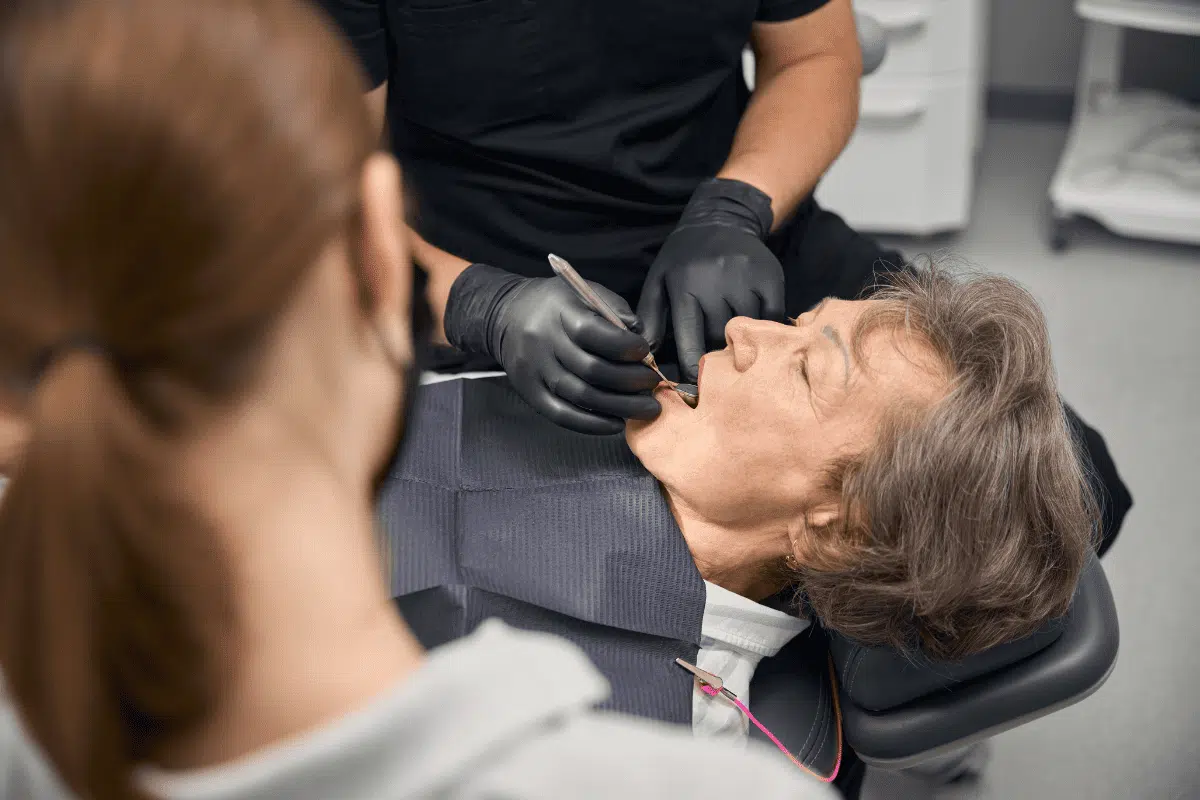
Routine dental checkups allow your dentist in Cheshire, CT to identify gum disease early—even before you notice symptoms. During an exam, your dentist checks for:
- Gum inflammation and bleeding
- Gum pocket depth using a periodontal probe
- Plaque and tartar buildup
- Signs of gum recession or tooth mobility
These indicators help the dental team determine the stage of the disease and build a personalized treatment plan.
Step 2: Professional Dental Cleaning
If the gum disease is still in its early stages, a thorough professional cleaning might be enough to reverse it. During this visit:
- Plaque and tartar are removed from above and below the gumline
- Special tools are used to clean hard-to-reach areas
- Antibacterial rinses may be applied to reduce inflammation
This cleaning helps reduce bacteria that contribute to gum irritation, giving your gums a chance to heal.
Step 3: Scaling and Root Planing (Deep Cleaning)
If the condition has progressed beyond gingivitis, the dentist may recommend scaling and root planing—a non-surgical deep cleaning procedure that targets bacteria beneath the gumline.
- Scaling removes hardened tartar deposits from tooth surfaces and beneath the gums
- Root planing smooths the roots to help gums reattach to teeth and reduce future buildup
This procedure is typically done in sections over multiple appointments and may require local anesthesia for comfort.
Step 4: Antibiotic Therapy
In some cases, your Cheshire dentist might supplement treatment with localized antibiotics. These may come in the form of:
- Oral antibiotics
- Antimicrobial mouth rinses
- Antibiotic gels placed directly into gum pockets
These treatments help control infection and support healing, especially when bacteria are deeply embedded in gum tissue.
Step 5: Ongoing Maintenance and Follow-Ups
Gum disease requires long-term management. After initial treatment, your dentist will set up a maintenance schedule that might include:
- More frequent cleanings (every 3-4 months)
- At-home care guidance, including proper brushing and flossing
- Monitoring for any changes in gum health
These follow-up appointments help ensure that gum disease doesn’t return or progress further.
Step 6: Surgical Options for Advanced Cases
If the disease is not managed with non-surgical methods, your dentist in Cheshire, CT may refer you to a specialist for procedures such as:
- Flap surgery to clean deeper gum pockets
- Bone grafts to rebuild lost bone
- Tissue grafts to restore gum tissue
These surgical treatments are typically reserved for advanced periodontitis cases, but many can be avoided with early care and monitoring.
Conclusion
Gum disease is a progressive condition, but with timely treatment from a knowledgeable Cheshire dentist, it can often be stopped or even reversed. From preventive cleanings to deep scaling procedures and antibiotic therapy, your dental team has several tools to keep your gums healthy and your smile intact.
Even if your gums seem fine now, it’s important to prioritize regular checkups and act on early symptoms. Remember—gum disease doesn’t go away on its own, but professional care can make a world of difference.
If you’re noticing bleeding gums, bad breath, or gum tenderness, don’t wait. Schedule an exam with Advanced Dentistry in Cheshire, CT to protect your oral health before the problem worsens. Early action leads to better outcomes—and a healthier smile for years to come.