(203) 272-7271
How to Spot and Handle Common Dental Implant Complications
Dental implants are a highly reliable and long-lasting solution for missing teeth. When placed correctly and cared for properly, they can last decades. However, like any surgical procedure, complications can occasionally occur. Understanding the signs and knowing how to respond early can make a significant difference in treatment outcomes. If you’ve received or are considering dental implants, this guide will help you recognize and handle potential issues effectively.
Understanding the Basics of Dental Implants
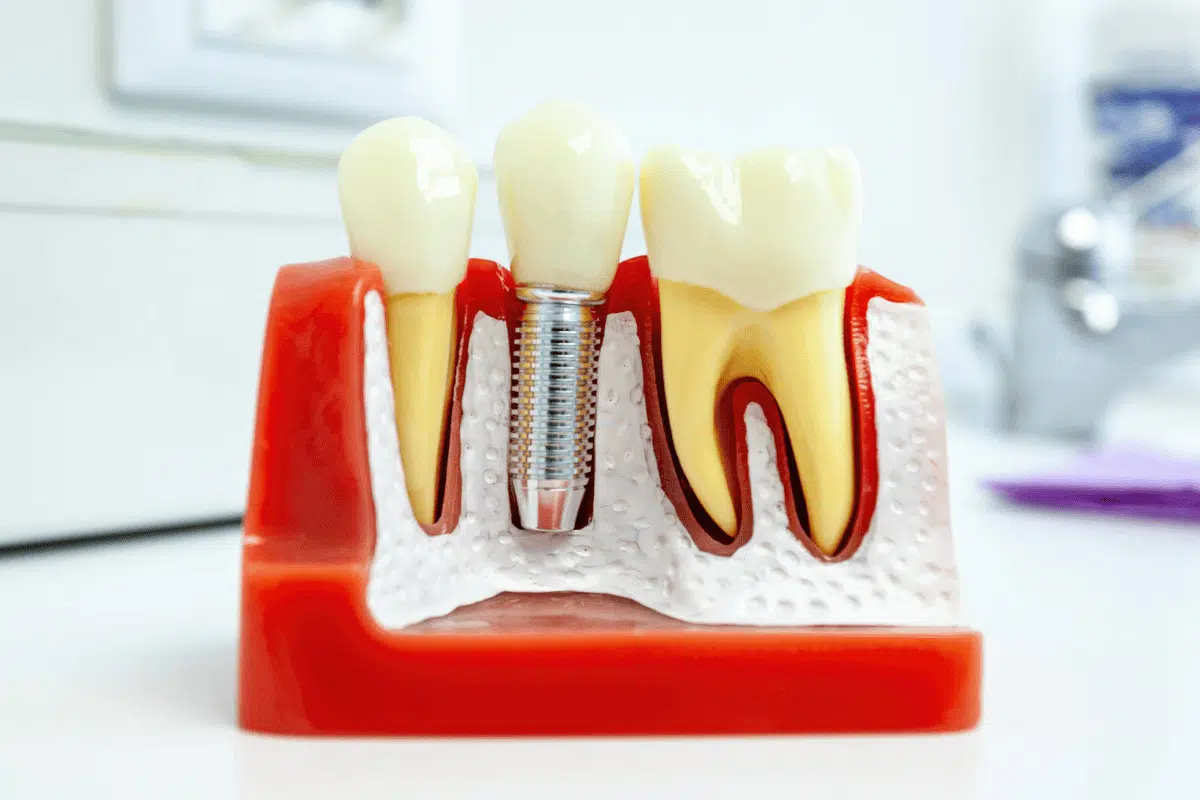
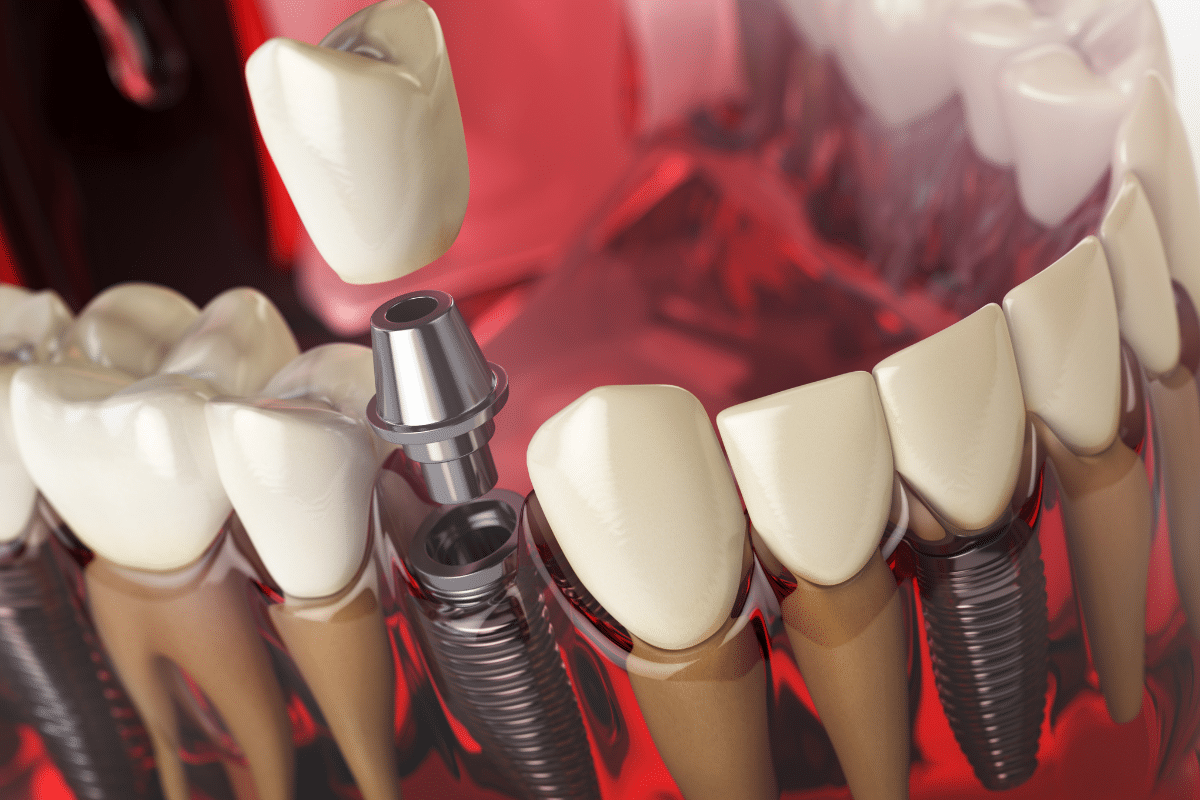
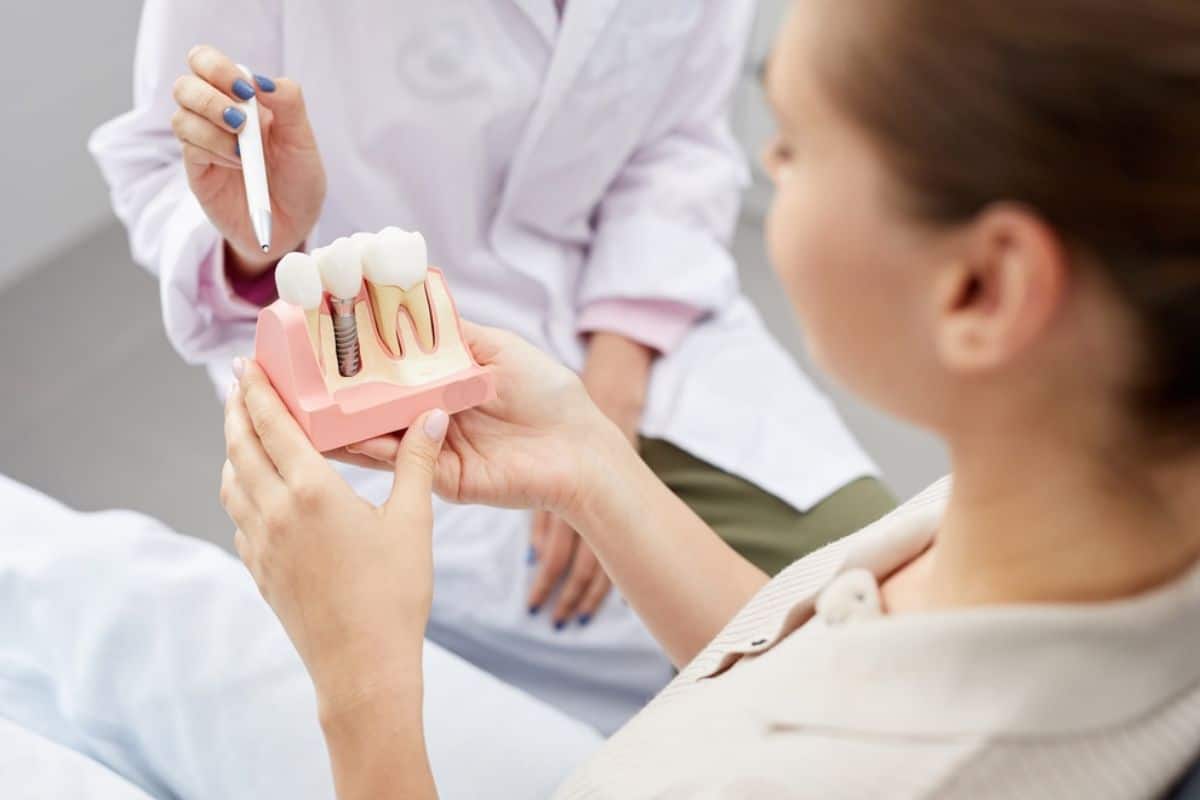
Dental implants are small titanium posts surgically placed into the jawbone to support crowns, bridges, or dentures. They function much like natural tooth roots, offering both stability and long-term durability. At Advanced Dentistry in Cheshire, implants are a popular choice due to their natural appearance and high success rate.
Early Warning Signs of Implant Complications
Complications can arise shortly after the procedure or even years later. Being vigilant about changes in your mouth is key. Here are some early signs to watch for:
1. Persistent Pain or Discomfort
Some soreness is normal after implant placement, but lingering or worsening pain could indicate an issue like infection or nerve irritation. A Cheshire dentist will evaluate the source and recommend treatment.
2. Swelling or Inflammation Around the Implant
Mild swelling is typical for a few days post-surgery. However, if the swelling worsens or is accompanied by redness and heat, it might signal peri-implantitis, a condition similar to gum disease.
3. Loose Implant
An implant should feel secure. If it moves when touched or feels unstable, it could be a sign of implant failure or bone loss around the site.
4. Gum Recession
If you notice that the gum tissue is pulling back from the implant, exposing more of the crown or post, this might indicate a problem. Gum recession can increase sensitivity and risk of infection.
5. Difficulty Chewing or Biting
Pain or pressure while eating may be a sign that the implant isn’t integrating properly or is being overloaded. This should be checked quickly by your dental provider.
Common Causes of Implant Complications
Several factors can lead to complications, including:
- Poor Oral Hygiene: Even though implants can’t decay, the surrounding gums and bone are still vulnerable.
- Smoking: Tobacco use can slow healing and increase the risk of implant failure.
- Medical Conditions: Diseases such as diabetes or osteoporosis can affect bone integration.
- Improper Placement: If the implant isn’t positioned correctly, it may fail to bond with the bone.
How to Handle Implant Complications
If you notice any of the symptoms above, don’t ignore them. Here’s what you should do:
1. Contact Your Dentist Promptly
The earlier you seek help, the more successful the intervention. A qualified dentist in Cheshire will perform an exam and may take X-rays to assess the implant.
2. Practice Excellent Oral Hygiene
Brush twice daily, floss regularly, and use an antimicrobial mouth rinse if advised. Regular cleaning helps prevent infection and supports long-term success.
3. Attend Regular Checkups
Routine dental visits allow your Cheshire dentist to monitor the implant and surrounding tissues. Early signs of issues can be detected and addressed before they become serious.
4. Follow Aftercare Instructions
After implant surgery, follow all care guidelines provided by your dental team. This includes dietary restrictions, cleaning routines, and activity limitations.
Long-Term Implant Maintenance Tips
Once your implant has healed, long-term maintenance is straightforward with a few key habits:
- Use a soft-bristled toothbrush and non-abrasive toothpaste.
- Floss with implant-safe products or use an interdental brush.
- Avoid chewing hard objects like ice or pens.
- Quit smoking to protect your oral and overall health.
Conclusion
While dental implants are one of the most dependable solutions for replacing teeth, complications can occur if early warning signs are overlooked. By staying informed, practicing good oral hygiene, and keeping up with routine dental visits, you can minimize risks and enjoy the full benefits of your implants.