(203) 272-7271
Top 5 Problems Dental Bonding Can Solve Without Surgery
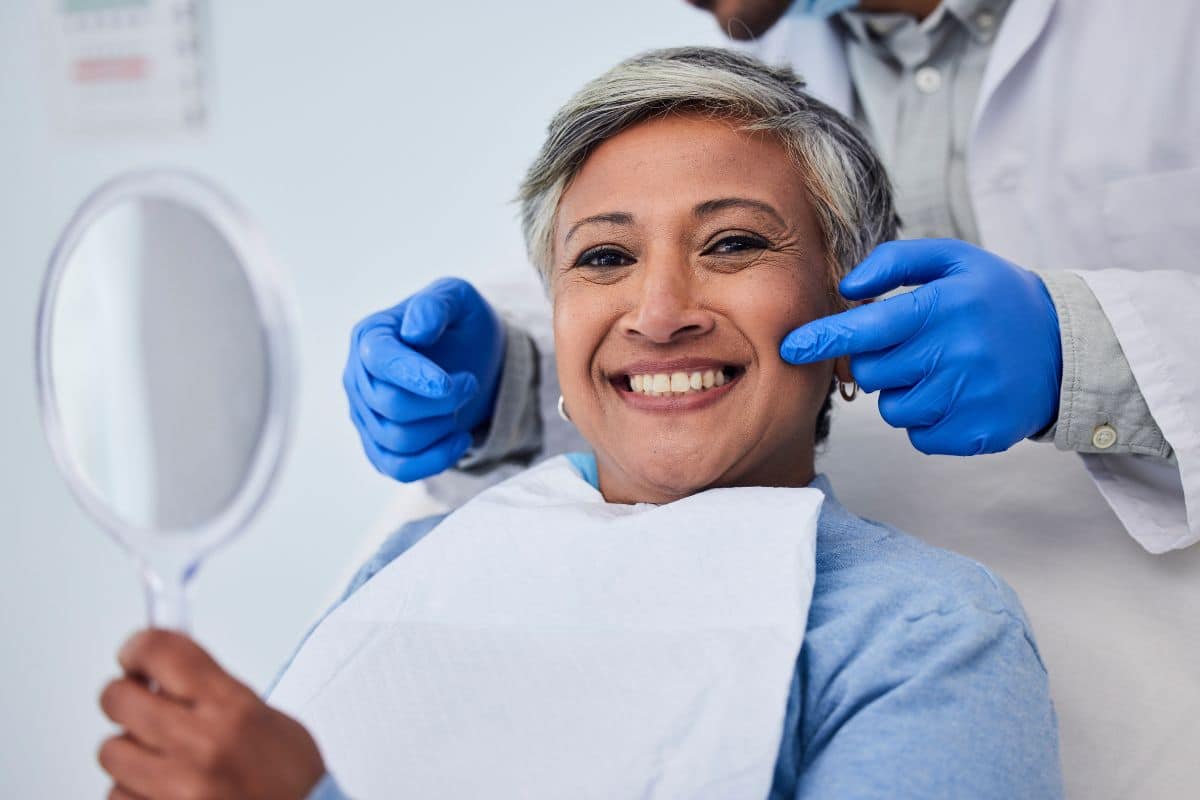
A confident smile can make all the difference, but chips, gaps, and discoloration can quickly take away from it. Fortunately, not every dental issue requires invasive procedures or a long recovery time. One versatile, non-surgical solution gaining popularity is dental bonding—a quick and affordable fix for many common cosmetic concerns. At Advanced Dentistry in Cheshire CT, patients are turning to this method for its simplicity and natural-looking results.
This blog explores the top five problems that dental bonding can correct without surgery, helping you better understand whether it’s the right option for your smile.
1. Chipped or Cracked Teeth
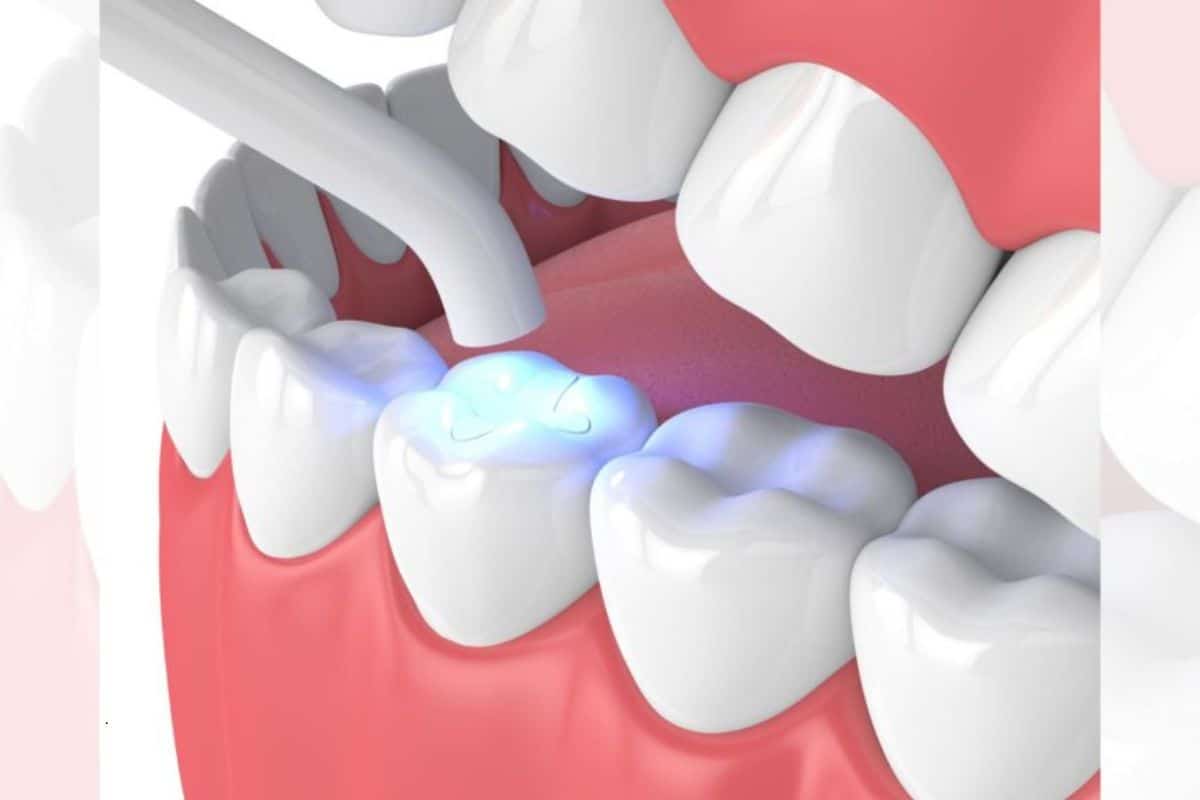
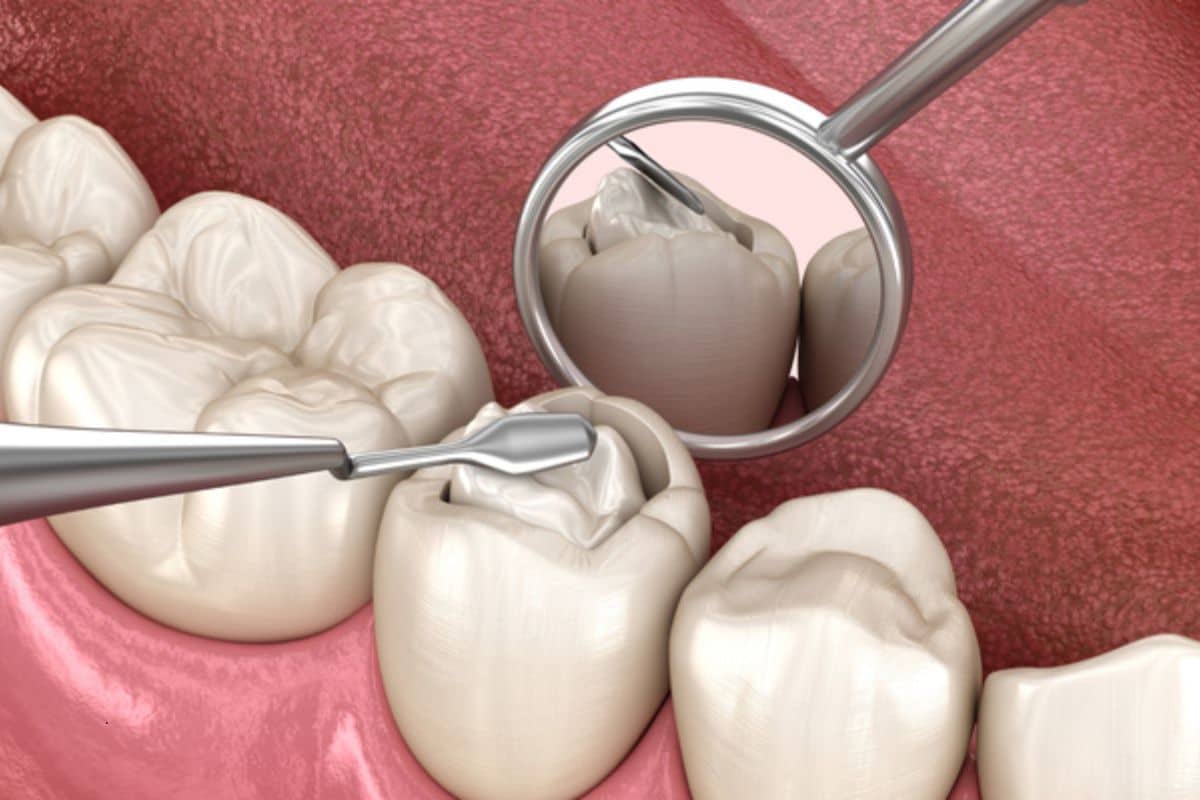
Accidents happen—whether from biting into something hard or a minor injury, a chipped tooth can leave you self-conscious. Dental bonding is a quick, painless way to restore the natural shape of your tooth. The dentist applies a tooth-colored resin and molds it to match your original look, then hardens it with a special light.
The entire process usually takes less than an hour per tooth and doesn’t involve drilling or anesthesia. It’s ideal for small chips or minor cracks that don’t affect the tooth’s inner structure.
2. Small Gaps Between Teeth
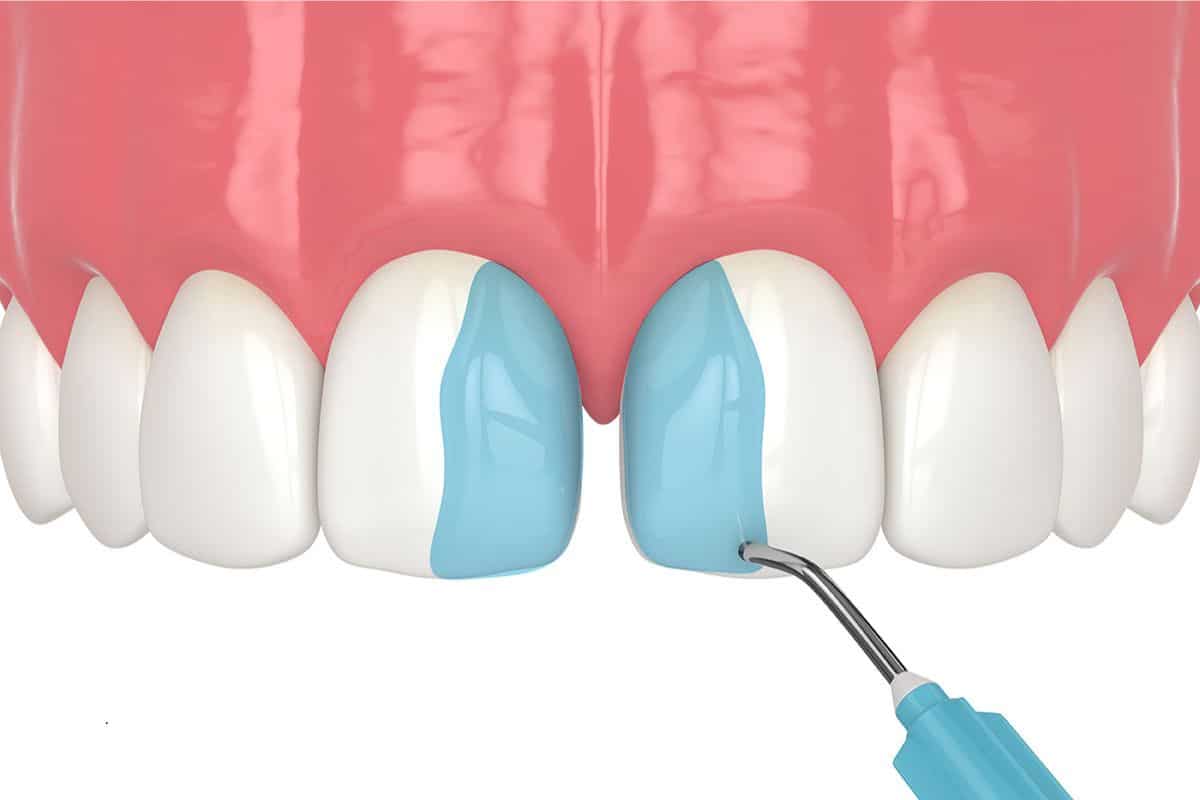
While orthodontics is the traditional route for closing gaps, many people don’t want braces or aligners for minor spacing. Dental bonding can fill in small gaps seamlessly.
By applying resin to the sides of the teeth, your dentist in Cheshire CT can make each tooth appear wider, reducing the space without moving the teeth. This technique offers immediate visual improvement and is fully reversible, making it a smart option for cosmetic fixes.
3. Tooth Discoloration or Stains
Professional whitening works well for surface stains, but not all discoloration responds to bleaching. Internal stains—caused by trauma, medication, or fluorosis—may not lighten, no matter how strong the whitening agent is.
Dental bonding offers an excellent alternative by covering the discolored area with a composite resin that matches your other teeth. Unlike whitening treatments, this method masks the stain rather than trying to remove it, providing consistent color throughout your smile.
4. Uneven Tooth Shape or Size
Sometimes a tooth might be naturally shorter than its neighbors or shaped in a way that disrupts your smile’s symmetry. Rather than reshaping the surrounding teeth, dental bonding builds up the shorter or misshapen one.
Your dental bonding Cheshire expert will sculpt the resin to match the surrounding teeth in size and contour, creating a more uniform appearance. This simple fix can make a dramatic difference in just one visit.
5. Worn Down Edges from Grinding
Chronic teeth grinding (also known as bruxism) can wear down the edges of your teeth, leading to a flattened or uneven bite. Dental bonding can restore the height and shape of worn teeth, improving both aesthetics and function.
It’s important to address the underlying cause—often with a night guard—but bonding gives an immediate visual improvement and helps protect the teeth from further damage.
Conclusion
Dental bonding is a practical and effective choice for many cosmetic dental issues that don’t require surgery. From fixing chips and covering stains to closing gaps and correcting uneven shapes, bonding offers a fast, comfortable way to restore confidence in your smile.
For those dealing with minor imperfections, bonding provides natural-looking results with minimal preparation and downtime. While it may not be the solution for every case, it’s an excellent option for those seeking a non-invasive alternative to more complex treatments.