(203) 272-7271

Can You Get Cavities Under Fillings? Prevention Tips


Dental fillings are designed to restore damaged teeth and prevent further decay, but what happens when decay finds its way under the filling itself? It’s a concern many patients face, even after treatment. While fillings are a long-term solution for tooth decay, they’re not invincible. Cavities can still form beneath them, often without obvious symptoms until the issue worsens.
If you’re wondering how this can happen and what you can do to prevent it, you’re not alone. At Advanced Dentistry in Cheshire, CT, patients often ask how to best protect their existing restorations. This article will walk you through the causes of cavities under dental fillings and offer clear steps to help you keep your mouth healthy.
How Cavities Form Under Fillings
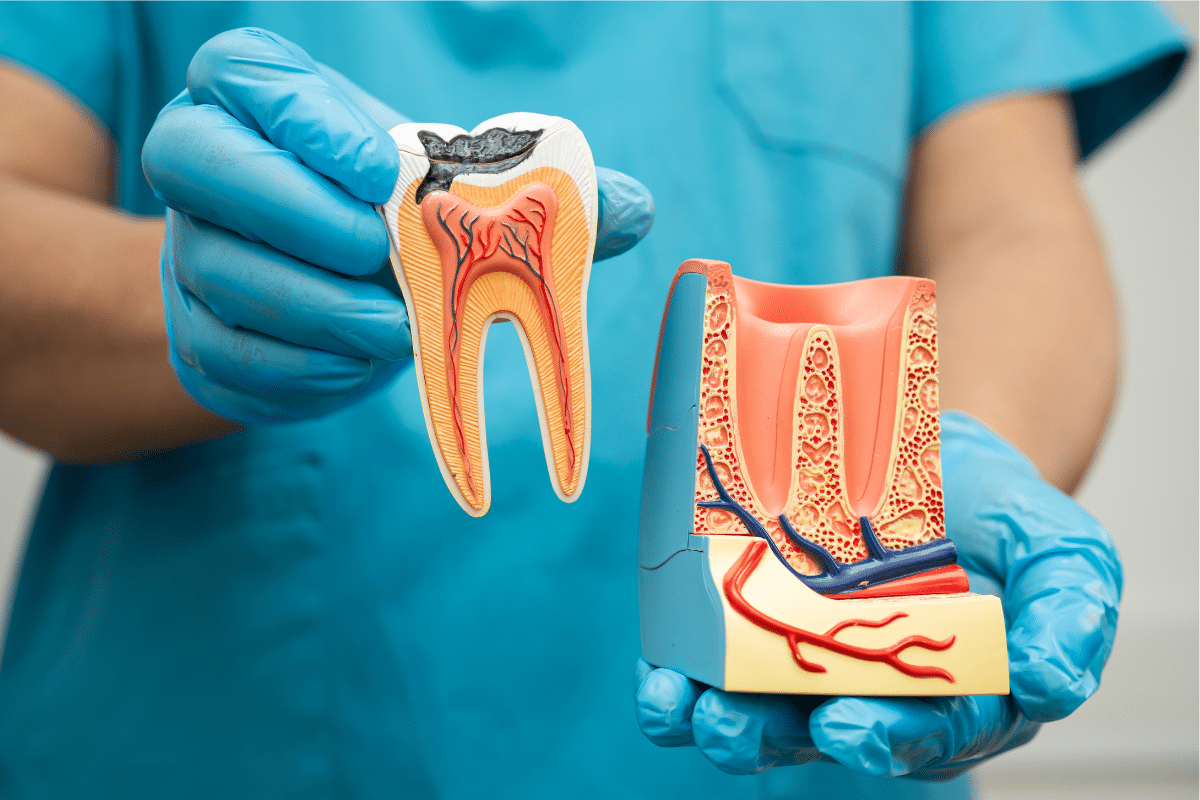
Dental fillings seal off decayed portions of a tooth and help restore function. However, over time, wear and tear can create opportunities for bacteria to sneak in and cause trouble. Here’s how cavities might develop under a filling:
1. Worn or Damaged Fillings
Fillings don’t last forever. Everyday habits like chewing, grinding, or eating hard foods can cause a filling to crack or wear down. Once that seal is broken, bacteria can enter the gap and start causing decay beneath the surface.
2. Microleakage
Even a perfectly placed filling can develop tiny gaps over time due to natural expansion and contraction from hot and cold foods. These gaps, known as microleakage, allow bacteria and food particles to slip in, leading to decay.
3. Poor Oral Hygiene
Neglecting oral care after a filling can put the tooth at risk. Plaque buildup around the margins of a filling can lead to recurring decay, especially when brushing and flossing routines aren’t consistent.
4. Decay Not Fully Removed During the First Procedure
In rare cases, decay that wasn’t completely cleaned out during the original filling placement can continue to spread underneath. This may not become noticeable until the filling loosens or pain begins.
Signs of a Cavity Under a Filling
Cavities under fillings can be tricky to detect without a dentist’s help, but some warning signs include:
- Increased tooth sensitivity (especially to hot or cold)
- Pain when biting or chewing
- A filling that feels loose or uneven
- Discoloration around the filling
- Bad breath or an unusual taste in your mouth
If you notice any of these symptoms, it’s best to visit a dentist in Cheshire CT as soon as possible. Early detection can often mean a simpler fix.
Prevention Tips: How to Keep Fillings Intact and Decay-Free
Maintaining your dental fillings in Cheshire doesn’t require major changes, just a bit of consistency and attention. Here are simple yet effective tips to help prevent cavities from forming under fillings:
1. Brush and Floss Every Day
Brushing twice a day with fluoride toothpaste and flossing once daily helps remove plaque and prevent bacteria from settling around fillings. Don’t skip this step; it’s your first line of defense.
2. Visit Your Dentist Regularly
Routine dental checkups allow your dentist to examine existing fillings and catch issues before they become problems. A quick inspection can reveal early signs of wear or hidden decay.
3. Watch What You Eat
Sugary foods and acidic drinks feed bacteria and increase your risk of new decay. Try to limit these, and rinse your mouth with water after consuming them.
4. Address Teeth Grinding
If you grind your teeth at night, talk to your dentist about a custom mouthguard. Grinding puts pressure on your fillings, potentially leading to cracks that expose the tooth.
5. Avoid Using Teeth as Tools
Using your teeth to open packages or bite non-food items can damage your dental work. Protect your fillings by only using your teeth for chewing food.
Conclusion
Yes, cavities can develop under dental fillings, but the good news is they’re largely preventable. By understanding the risks and taking small, proactive steps each day, you can keep your restorations in great shape and protect your teeth for years to come.
Fillings don’t last forever, but with the right care, they can serve you well for a long time. Paying attention to how your teeth feel, keeping up with dental visits, and maintaining good oral hygiene are key to avoiding deeper problems. Book your appointment today!