(203) 272-7271

Dental Implants Demystified: A Step-by-Step Guide for Patients

Missing teeth can affect far more than your smile. They can change how you chew, speak, and even how confident you feel in everyday situations. While there are several ways to replace lost teeth, modern implant-based solutions are often considered the most durable and natural-looking option available today.
Still, many patients feel unsure about the process. This guide breaks things down clearly and calmly, helping you understand how dental implants work, what the treatment involves, and whether they may be the right choice for you—especially if you’re exploring care options with a trusted dentist in Cheshire, CT.
What Are Dental Implants?
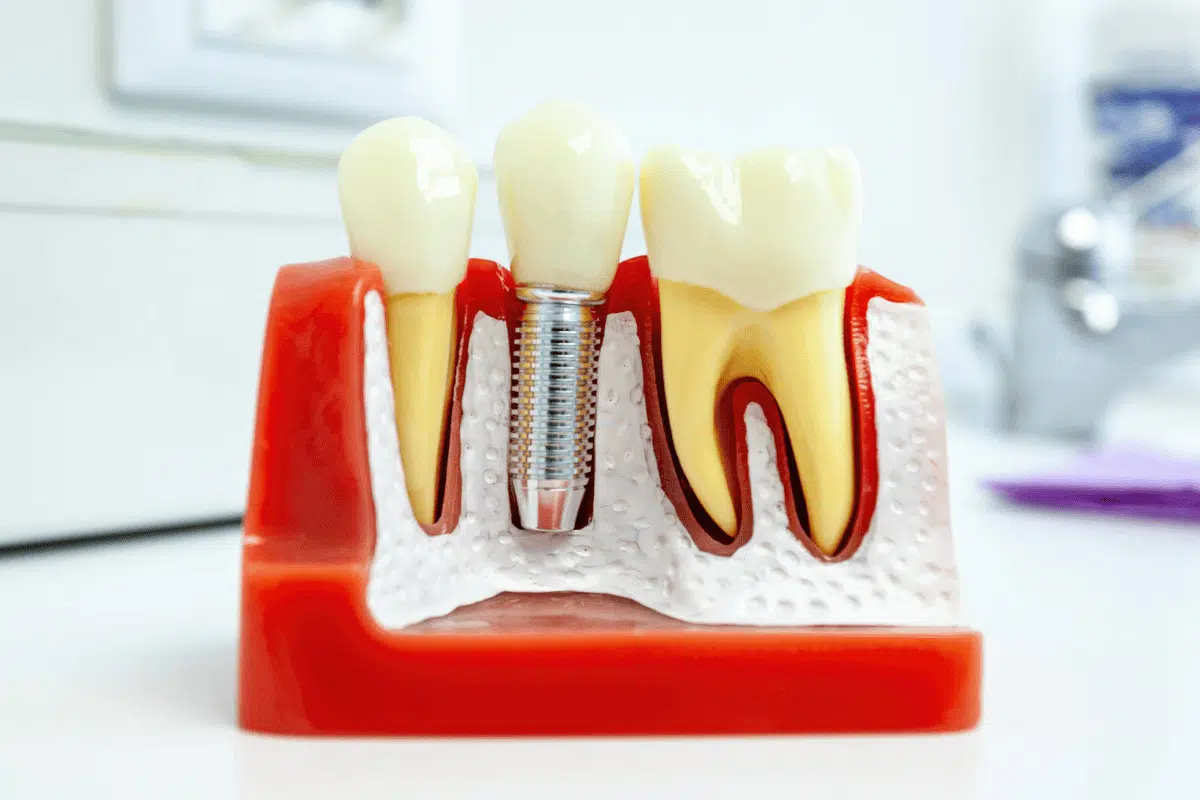
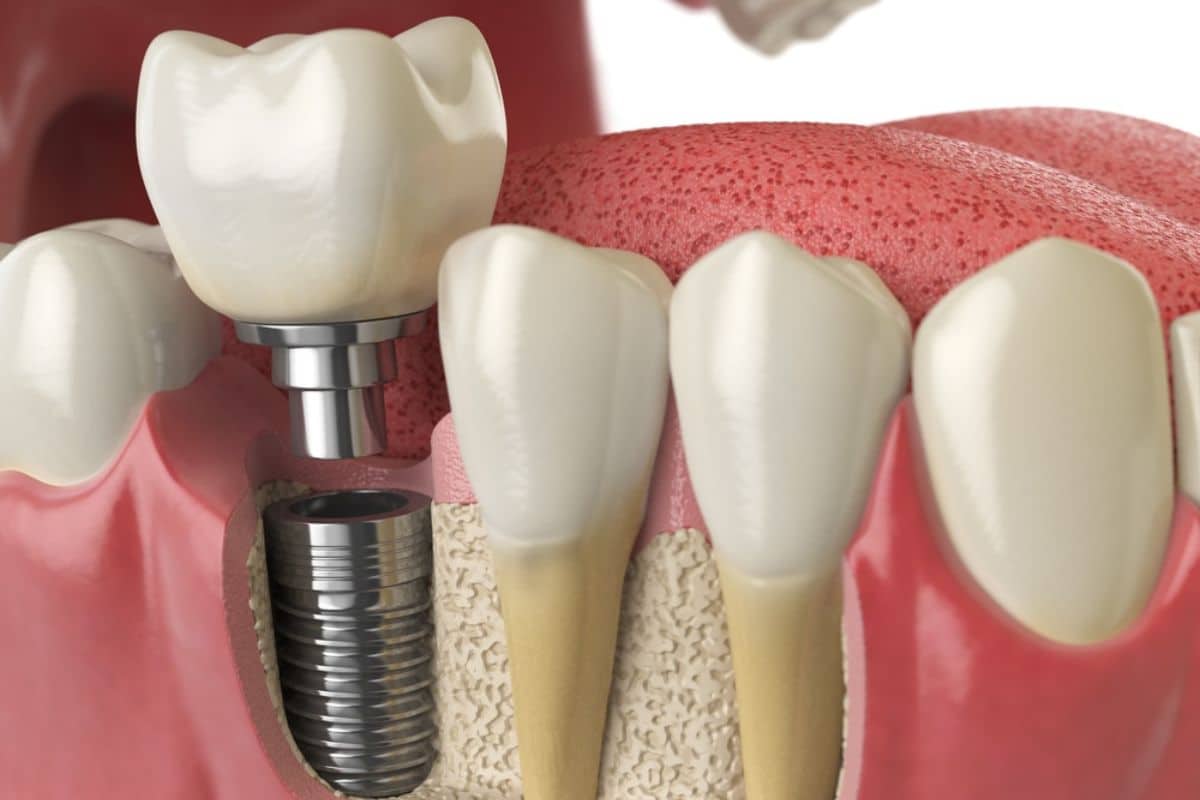
Dental implants are designed to replace missing tooth roots. Instead of resting on the gums like dentures or relying on nearby teeth for support, they are placed directly into the jawbone. Over time, the bone bonds with the implant, creating a strong and stable foundation for a replacement tooth.
This approach helps maintain jawbone health and restores function in a way that closely mimics natural teeth. That’s one reason implants are often recommended for long-term tooth replacement.
Who Is a Good Candidate?
Most healthy adults can be candidates for dental implants, but a proper evaluation is essential. Factors that may influence suitability include:
- Overall oral health
- Bone density in the jaw
- Gum condition
- Medical history, including chronic conditions
A consultation allows your provider to assess whether implants are appropriate or if preparatory treatments, such as bone grafting, are needed first.
Step 1: Initial Consultation and Planning
The first step is a comprehensive exam. This typically includes digital imaging and a detailed discussion of your goals and concerns. Your dentist will evaluate the area of tooth loss and create a customized treatment plan.
For patients considering dental implants in Cheshire, careful planning ensures that the placement supports both function and appearance. This stage sets the foundation for long-term success.
Step 2: Implant Placement
Once planning is complete, the implant is surgically placed into the jawbone. This procedure is usually performed under local anesthesia, and many patients are surprised by how manageable the experience feels.
After placement, the area is allowed to heal. During this time, the implant integrates with the surrounding bone—a process known as osseointegration. Healing time varies, but it generally takes a few months.
Step 3: Healing and Integration
Healing is a crucial part of the process. As the bone bonds with the implant, it creates the strength needed to support a crown, bridge, or denture.
Patients are typically advised to follow specific aftercare instructions, including maintaining good oral hygiene and attending follow-up visits. Temporary restorations may be used so daily activities aren’t disrupted during healing.
Step 4: Abutment Placement
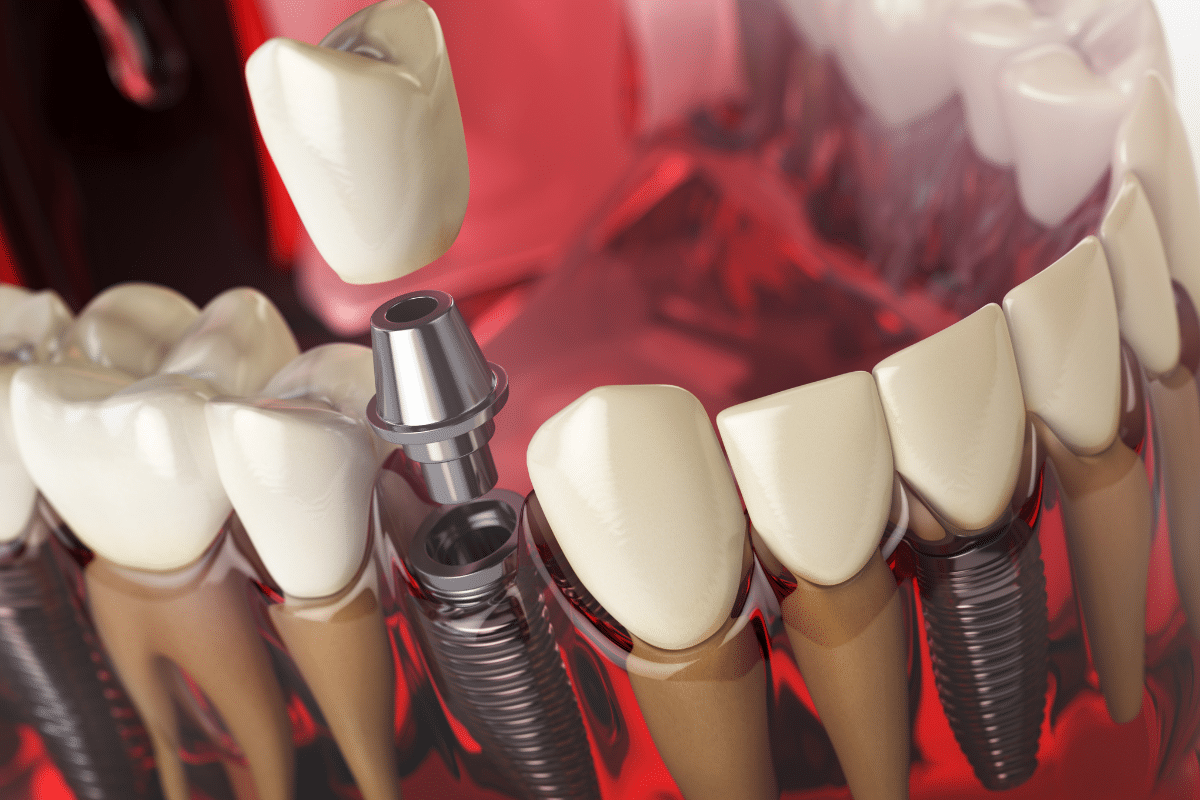
Once healing is complete, an abutment is attached to the implant. This small connector sits just above the gum line and serves as the anchor for the final restoration.
In some cases, the abutment is placed at the same time as the implant. In others, it’s added later. Your dentist will recommend the approach best suited to your situation.
Step 5: Final Restoration
The final step is placing the custom-made replacement tooth. This restoration is designed to match the shape, size, and color of your natural teeth, helping it blend seamlessly into your smile.
At this point, normal chewing and speaking function are restored. With proper care, implant-supported restorations can last many years.
Benefits Beyond Appearance
While aesthetics matter, the benefits of dental implants go well beyond looks:
- Improved chewing efficiency
- Better speech clarity
- Reduced bone loss in the jaw
- No reliance on neighboring teeth for support
For many patients, these advantages make implants a practical, long-term investment in oral health.
Caring for Dental Implants
Maintenance is straightforward. Implants are cared for much like natural teeth:
- Brush twice daily
- Floss regularly
- Attend routine dental checkups
Good habits help protect both the implant and the surrounding gum tissue.
Why Local Expertise Matters
Choosing a provider who understands both advanced techniques and patient comfort is key. Working with an experienced team, such as Advanced Dentistry in Cheshire, CT, ensures that each step of the process is carefully managed—from evaluation through long-term care.
Local care also means easier access to follow-up visits and ongoing support.
Conclusion
Dental implants are not as complicated or intimidating as they may seem at first. When broken into clear steps, the process becomes easier to understand and less overwhelming. From planning and placement to restoration and maintenance, each phase is designed to restore function, comfort, and confidence.
By learning what to expect, patients can make informed decisions about their oral health and explore tooth replacement options with clarity and confidence.
If you’re missing one or more teeth and want to understand whether implants are right for you, schedule a consultation with Advanced Dentistry in Cheshire, CT. A personalized evaluation can help you explore your options and take the next step toward a healthier, more complete smile.