(203) 272-7271

Choosing the Right Dental Filling for a Healthier, Happier Smile


Taking care of your teeth is a big part of staying healthy. When a cavity or decay affects a tooth, dental fillings become an essential tool in restoring its strength and function. Choosing the right filling not only protects your oral health but also helps you maintain a confident, beautiful smile. Let’s explore the different types of dental fillings, their benefits, and how they contribute to a healthier smile.
What Are Dental Fillings?
Dental fillings are materials used by dentists to repair damaged teeth, especially when a cavity is present. They restore the tooth’s shape, functionality, and strength while preventing further decay or damage. Fillings seal the tooth, keeping out bacteria and food particles that can worsen the problem.
Types of Dental Fillings
Selecting the right filling depends on factors like the location of the cavity, the cost, and your personal preferences. Here are some common types of dental fillings and what makes them unique:
1. Amalgam Fillings
Amalgam fillings are a durable and cost-effective option. They are made of a mixture of metals, including silver, tin, and mercury. While they are strong and long-lasting, their metallic appearance may make them less appealing for visible areas of the mouth.
2. Composite Fillings
Composite fillings, often referred to as tooth-colored fillings, are a popular choice for their natural look. Made from a resin material, they blend seamlessly with your natural teeth, making them ideal for front teeth or other visible areas. Though slightly less durable than amalgam, they provide excellent results with proper care.
3. Ceramic Fillings
Ceramic fillings, usually made from porcelain, are another aesthetically pleasing option. They resist staining better than composite fillings and offer a natural tooth-like appearance. However, they are typically more expensive and require careful placement by your dentist.
4. Gold Fillings
Gold fillings are known for their durability and long lifespan, often lasting 15 years or more. While they are a premium choice in terms of cost, their noticeable color makes them less desirable for many people.
5. Glass Ionomer Fillings
Glass ionomer fillings are often used for children or small fillings near the gumline. They release fluoride over time, helping to strengthen teeth and prevent further decay. However, they may not be as durable as other options.
How to Choose the Right Filling
Selecting the best dental filling depends on a combination of factors:
1. Location of the Filling
The position of the cavity plays a big role in the choice. For example, front teeth may benefit from composite or ceramic fillings because of their natural look, while back teeth may need stronger options like amalgam or gold to withstand chewing pressure.
2. Budget
Cost is an important consideration. Amalgam fillings are usually more affordable, while gold and ceramic fillings come with a higher price tag. Discussing your options with your dentist can help you find a solution that fits your budget without compromising quality.
3. Durability Requirements
If durability is your main concern, gold or amalgam fillings are excellent options. For those who prioritize aesthetics, composite or ceramic fillings provide a natural appearance while still offering good strength.
4. Personal Preference
Each patient has unique priorities. Some may value aesthetics over cost, while others focus on longevity or ease of care. Understanding your needs and preferences will guide your choice.
Benefits of Dental Fillings
1. Restores Tooth Function
Dental fillings restore the ability to chew and bite properly, ensuring you can eat comfortably.
2. Prevents Further Damage
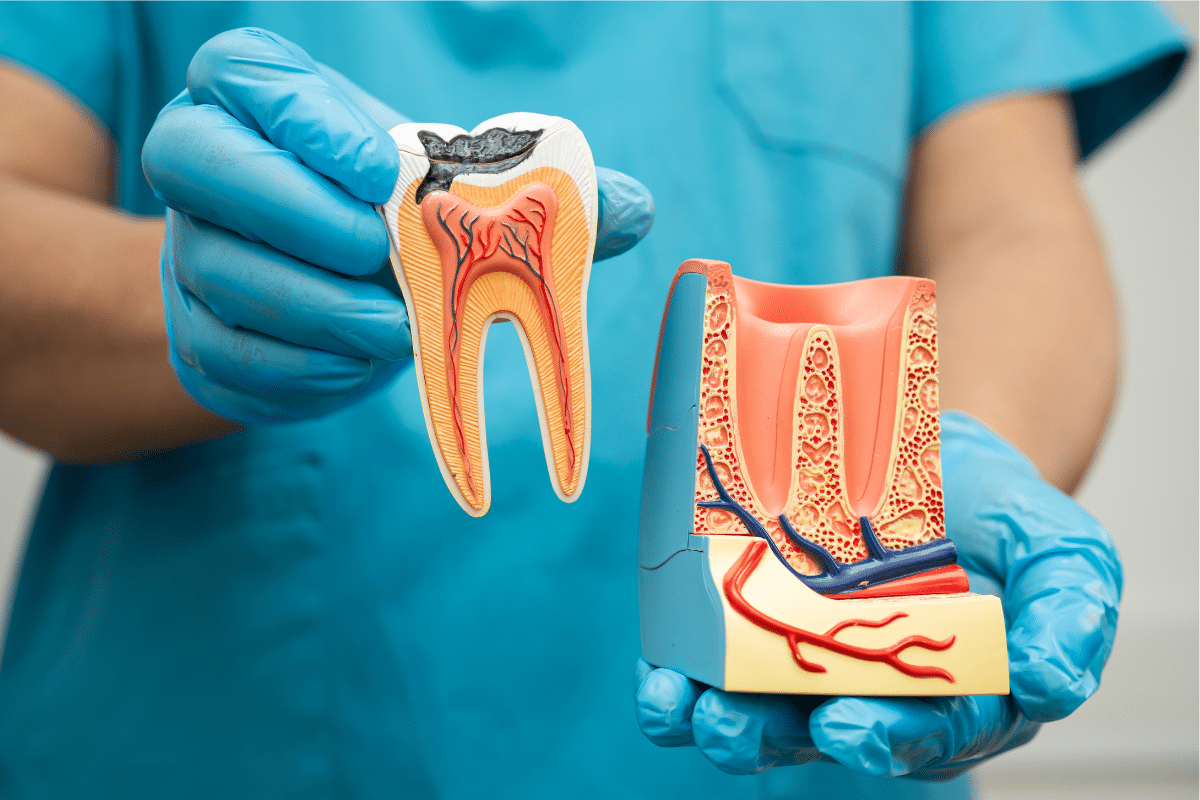
By sealing off cavities, fillings stop decay from spreading deeper into the tooth. This helps avoid the need for more invasive treatments like root canals.
3. Improves Oral Health
Dental fillings protect the overall health of your teeth and gums, reducing the risk of future problems.
4. Boosts Confidence
Tooth-colored fillings blend with your natural teeth, giving you a smile you’ll feel proud to share.
Caring for Your Dental Fillings
Proper care is essential to ensure the longevity of your dental fillings. Here are a few tips to keep in mind:
1. Maintain Good Oral Hygiene
Brush twice daily and floss regularly to prevent new cavities from forming around the filling.
2. Avoid Hard or Sticky Foods
Chewing on hard foods or sticky candies can weaken fillings, especially composite ones.
3. Visit Your Dentist Regularly
Routine dental check-ups help your dentist monitor the condition of your fillings and address any issues early.
4. Use Fluoride Toothpaste
Fluoride strengthens your teeth, reducing the risk of decay and prolonging the life of your fillings.
When to Replace a Dental Filling
Dental fillings are durable, but they don’t last forever. Over time, they can wear down, crack, or fall out. Signs that you may need a replacement include:
- Sensitivity to hot or cold foods.
- Pain or discomfort when biting.
- Visible cracks or gaps in the filling.
If you notice any of these issues, schedule a dental appointment promptly.
The Role of a Dentist in Choosing the Right Filling
Your dentist is your best resource for selecting the right dental filling. They will assess the condition of your teeth, discuss the available options, and recommend the most suitable material for your needs. Whether you’re considering amalgam, composite, or another type of filling, trust your dentist to guide you toward the healthiest choice for your smile.
Conclusion
Dental fillings play a vital role in maintaining oral health by restoring damaged teeth and preventing further decay. Choosing the right filling ensures both functionality and aesthetics, giving you a healthier, happier smile. If you’re considering dental fillings or need advice on the best option for your needs, consult a professional. A qualified dentist will help you make an informed decision and keep your teeth in the best possible condition.
By addressing cavities promptly with high-quality fillings, you’re taking an important step toward long-term oral health and confidence in your smile.